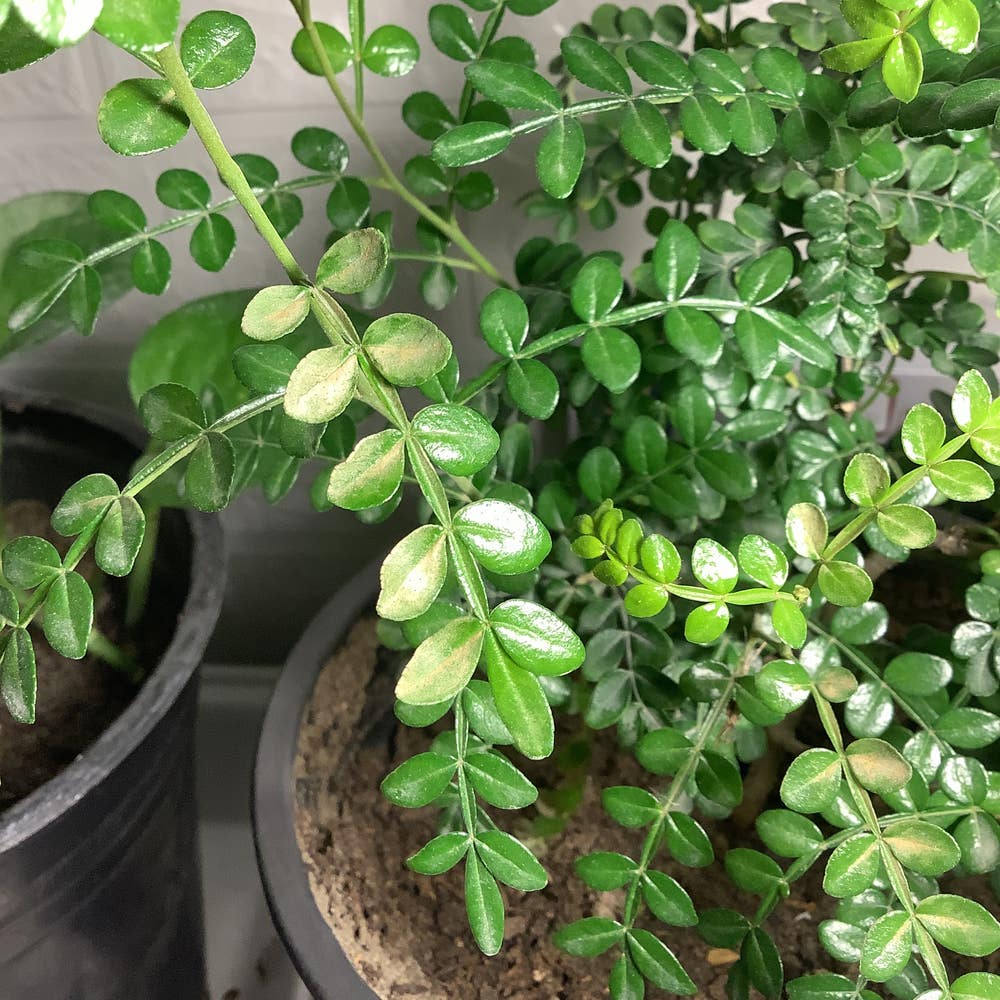
Best Size and Type of Pot for Wild Lime
Zanthoxylum fagara
By the Greg Editorial Team
Sep 30, 2024•6 min read
This article was created with the help of AI so we can cover more plants for you. May contain errors. See one? Report it here.
- 🌱 Start seedlings in 4-6 inch pots for optimal root development.
- 🪴 Mature Wild Lime thrives in 18-24 inch pots for healthy growth.
- 🚫 Ensure proper drainage with 3-5 holes to prevent root rot.
Pot Size for Wild Lime
Appropriate Pot Sizes for Seedlings 🌱
Starting with the right pot size is crucial for Wild Lime seedlings. A recommended size of 4-6 inches in diameter encourages healthy root development while preventing excess moisture retention.
As seedlings grow, transitioning to larger pots becomes essential. This gradual increase supports their expanding root systems and overall health.
Recommended Pot Sizes for Mature Plants 🌳
For young mature Wild Lime plants, an ideal pot size ranges from 12-16 inches in diameter. This size provides ample space for root growth without overwhelming the plant.
Once the plants reach full maturity, opt for pots that are 18-24 inches in diameter. This accommodates their extensive root systems and considers the plant's height and overall growth habit.
Transitioning Pot Sizes During Growth Stages 🔄
Repotting is a vital part of Wild Lime care. Move up one pot size every 1-2 years to ensure your plant has enough room to thrive.
Watch for signs that a larger pot is needed, such as roots emerging from drainage holes or stunted growth. Gradual transitions help avoid transplant shock, ensuring your Wild Lime continues to flourish.
With the right pot sizes, your Wild Lime will be set for success, paving the way for the next topic: exploring the best pot materials for your plant.
Pot Materials for Wild Lime
🌱 Benefits of Clay Pots
Clay pots are a fantastic choice for Wild Lime due to their breathability. This feature allows for better air circulation to the roots, promoting healthy growth.
Additionally, clay pots excel in moisture regulation. They absorb excess moisture, significantly reducing the risks of overwatering, which can be detrimental to your plant's health.
🪴 Advantages of Plastic Pots
Plastic pots offer a lightweight and easy-to-handle alternative. Their design makes them particularly beneficial for those who frequently rearrange their plants.
Moreover, plastic pots retain moisture longer, which is advantageous in dry conditions. They are also cost-effective and come in a variety of sizes, making them accessible for any gardener.
⚖️ Comparison of Other Materials
Ceramic pots are visually appealing but can be heavy and prone to cracking. While they add a touch of elegance, their weight can be a drawback for frequent movers.
Metal pots are durable but have their own challenges. They can heat up quickly, which may negatively affect root temperature, especially in warmer climates.
When choosing pot materials, consider both climate and aesthetic preferences. The right choice can enhance not only the plant's health but also your gardening experience.
As you explore pot materials, remember that each option has its unique benefits and drawbacks. Selecting the right pot can significantly impact your Wild Lime's growth and vitality.
Importance of Drainage
🕳️ Role of Drainage Holes in Pot Selection
Drainage holes are crucial for the health of your Wild Lime. They prevent waterlogging and root rot, which can be detrimental to plant growth.
Aim for at least 3-5 drainage holes in your pot for optimal drainage. This simple feature can make a significant difference in your plant's well-being.
🌱 How Drainage Affects Wild Lime Health
Proper drainage is vital for promoting healthy root growth. It helps prevent fungal diseases that can arise from excess moisture.
Watch for signs of overwatering, such as yellowing leaves and wilting, even when you’re watering adequately. These symptoms indicate that your plant may be struggling due to poor drainage.
🚩 Signs of Poor Drainage in Pots
If you notice water pooling at the surface after watering, it’s a red flag. This can lead to root rot, which manifests as mushy roots and a foul odor.
If you encounter these issues, consider repotting your Wild Lime into a container with better drainage. This proactive step can save your plant from further distress and promote healthier growth.
Repotting Wild Lime
🕒 When to Repot Wild Lime
Repotting is essential for maintaining a healthy Wild Lime plant. Look for signs like roots visible through drainage holes or if the plant seems cramped in its pot.
Aim to repot every 1-2 years or whenever you notice these indicators. This ensures your plant has enough space to thrive.
🛠️ Steps for Repotting Wild Lime
- Prepare the New Pot: Start with a fresh potting mix in your new container.
- Remove the Plant: Gently take the Wild Lime out of its current pot.
- Inspect the Roots: Check for any damaged or rotting roots and trim them as needed.
- Place in New Pot: Position the plant in the new pot, ensuring it sits at the right depth.
- Water Thoroughly: Give it a good drink to help settle the soil around the roots.
🪴 Choosing the Right Pot During Repotting
Selecting the right pot is crucial for your Wild Lime's growth. Consider the size and material based on its current growth stage.
Ensure the new pot has adequate drainage holes to prevent waterlogging. Also, think about the aesthetic appeal, as the pot should complement the cultural significance of the Wild Lime.
With these steps, your Wild Lime will be set for a healthy, vibrant future. Next, let’s explore how the choice of pot can impact your plant's growth.
Impact of Pot Choice on Growth
🌱 How Pot Size Affects Root Development
Choosing the right pot size is crucial for root health. Larger pots provide ample space for roots to expand, which promotes overall plant vitality.
Conversely, small pots can stifle root growth, leading to stunted plants. This restriction can hinder nutrient uptake and overall growth potential.
🧱 Influence of Pot Material on Moisture Retention
The material of your pot plays a significant role in moisture management. Clay pots allow for quicker evaporation, which can be beneficial in humid climates.
On the other hand, plastic pots retain moisture longer, making them ideal for drier conditions. Always consider your local climate when selecting pot materials.
🌿 Long-term Health Implications of Pot Selection
Making informed potting choices can lead to healthier plants. Proper selection enhances resistance to pests and diseases, ensuring your Wild Lime thrives.
After repotting, keep a close eye on your plant's health. Monitoring its adaptation to the new pot is essential for long-term success.
Transitioning to the next topic, understanding the importance of repotting will further enhance your Wild Lime care strategy.
⚠️ Safety First
This content is for general information and may contain errors, omissions, or outdated details. It is not medical, veterinary advice, or an endorsement of therapeutic claims.
Always consult a qualified healthcare professional before using any plant as food, medicine, or supplement.
Never eat any plant (or feed one to pets) without confirming its identity with at least two trusted sources.
If you suspect poisoning, call Poison Control (800) 222-1222, the Pet Poison Helpline (800) 213-6680, or your local emergency service immediately.
Spotted an error? Please report it here.
Select the perfect pot for your Wild Lime 🌿 with Greg's tailored reminders and expert tips, ensuring your plant flourishes at every stage of its growth!