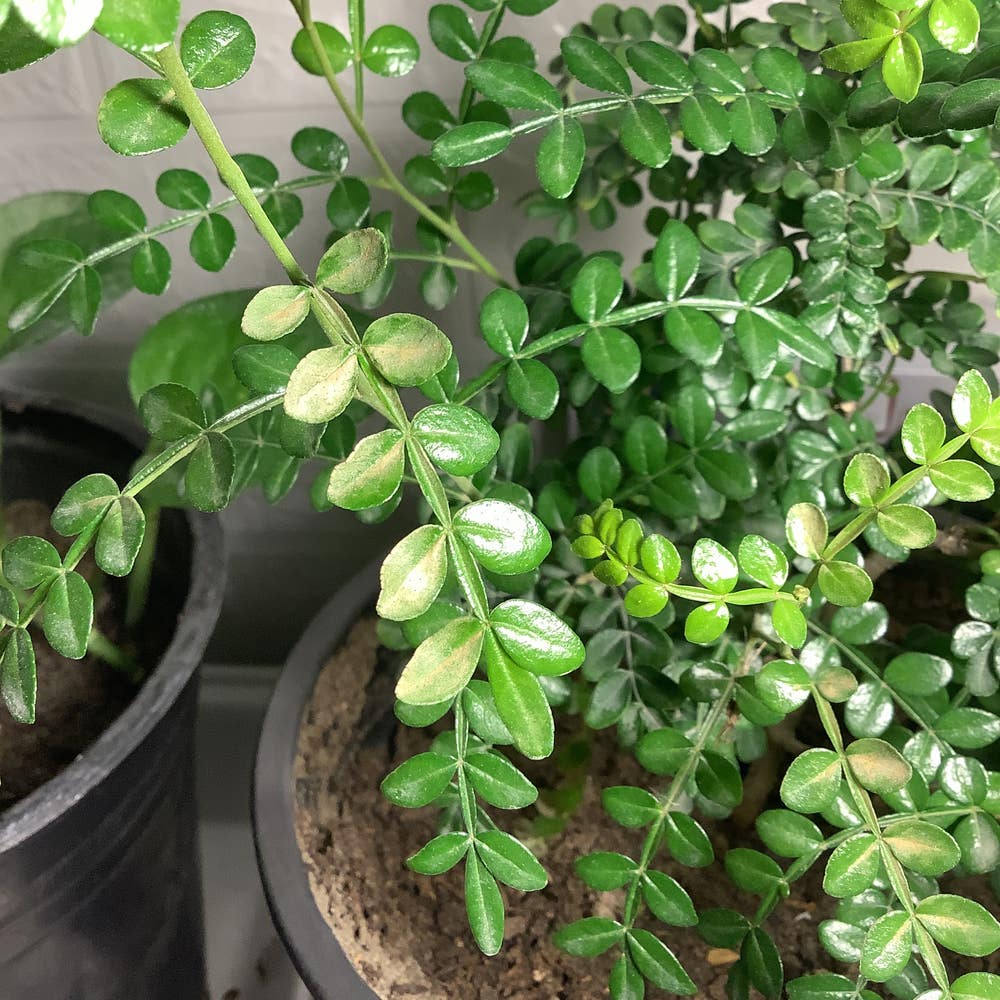
Attracting Pollinators to Your Wild Lime 🐝
Zanthoxylum fagara
By the Greg Editorial Team
Sep 30, 2024•6 min read
This article was created with the help of AI so we can cover more plants for you. May contain errors. See one? Report it here.
- 🌼 Wild Lime flowers attract bees, butterflies, and moths with their unique color and nectar.
- 🐝 Pollination boosts fruit production; both self and cross-pollination ensure genetic diversity.
- 🌱 Create a pollinator-friendly garden with native plants to support local ecosystems.
Flower Structure
Characteristics 🌼
Wild Lime features small, clustered flowers that are a striking greenish-yellow. This unique color and shape not only catch the eye but also serve a crucial role in attracting pollinators.
The arrangement of these flowers in clusters enhances their visibility, making it easier for pollinators to locate them. This strategic positioning is vital for effective pollination.
Role in Pollination 🐝
The clustered arrangement of Wild Lime flowers is designed to attract various pollinator species. By grouping together, they create a more noticeable target for bees, butterflies, and other creatures.
The size and color of the flowers also play a significant role in attracting specific pollinators. For instance, the greenish-yellow hue can be particularly appealing to certain bee species, while the flower's adaptations promote both self-pollination and cross-pollination, ensuring a robust reproductive process.
Understanding these characteristics and their roles in pollination can help you appreciate the intricate relationships between plants and their pollinators. This knowledge sets the stage for exploring the fascinating pollination process that follows.
Pollination Process
Self-Pollination vs. Cross-Pollination 🌱
Wild Lime has a fascinating mechanism for self-pollination. This process occurs when pollen from the male parts of a flower fertilizes the female parts of the same flower, ensuring reproduction even in the absence of pollinators.
However, relying solely on self-pollination can limit genetic diversity. Cross-pollination, where pollen is transferred between different plants, enhances genetic variation and can lead to stronger, more resilient offspring.
Primary Pollinators 🐝
Bees
Bees are the champions of pollination. They collect nectar and pollen, transferring pollen from flower to flower, which significantly boosts fruit and seed production.
Butterflies 🦋
Butterflies add a splash of color and grace to the pollination process. Their attraction to Wild Lime is often due to the flower's vibrant hues and sweet nectar, making them essential contributors to pollination success.
Moths 🌙
Moths play a crucial role during nighttime. Their nocturnal habits allow them to pollinate flowers that bloom after dark, ensuring that Wild Lime continues to thrive even when the sun goes down.
Hummingbirds 🌺
Hummingbirds are drawn to the unique structure of Wild Lime flowers. Their long beaks allow them to access nectar, while simultaneously transferring pollen, making them vital for effective pollination.
Understanding these pollinators and their behaviors can help you appreciate the intricate relationships that sustain your Wild Lime. Next, we’ll explore natural pollination mechanisms and their importance for reproduction.
Natural Pollination
🌬️ Mechanisms
Natural pollination primarily occurs through two methods: wind and insects. Wind pollination relies on the breeze to carry pollen from one flower to another, while insects, especially bees, play a crucial role by transferring pollen as they collect nectar.
Timing is essential in the pollination process. Flowers often open at specific times to coincide with the activity of their primary pollinators, ensuring maximum pollen transfer and fertilization.
🍏 Importance for Reproduction
Pollination is vital for fruit and seed production in Wild Lime. Successful pollination leads to the formation of fruits, which are essential for the plant's reproduction and survival.
Moreover, pollination contributes to genetic diversity within the plant population. This diversity enhances resilience against diseases and environmental changes, making the Wild Lime more robust in varying conditions.
Understanding these mechanisms and their significance can help you appreciate the intricate relationships between plants and their pollinators. As we move forward, let’s explore how to support these vital pollinators in your garden.
Hand Pollination
Hand pollination can be a rewarding way to ensure your Wild Lime thrives. Here’s a straightforward guide to help you through the process.
🌸 Identifying Male and Female Flower Parts
Start by examining the flowers closely. Male flowers produce pollen, while female flowers contain the ovary, which will develop into fruit.
🧪 Collecting Pollen
Once you've identified the male flowers, gently tap or shake them to release the pollen. You can use a small brush or your finger to collect this pollen for transfer.
🎯 Transferring Pollen
Next, take the collected pollen and apply it to the stigma of the female flowers. Make sure to do this gently to avoid damaging the delicate flower parts.
⏰ Timing for Hand Pollination
Timing is crucial for successful hand pollination. Aim to pollinate early in the morning when flowers are fully open and receptive.
By following these steps, you can enhance the pollination success of your Wild Lime. This hands-on approach not only boosts fruit production but also deepens your connection with the plant.
As you explore the world of pollination, consider how you can further support these vital creatures in your garden.
Supporting Pollinators
🌼 Creating a Pollinator-Friendly Environment
To attract pollinators to your Wild Lime, start by planting native species. Native plants are adapted to local conditions and provide essential food sources for bees, butterflies, and other pollinators.
Additionally, create habitats that offer shelter. This can include dense shrubs, tall grasses, or even small brush piles. These spaces provide safe nesting sites and protection from predators.
Don't forget about water sources! A shallow dish filled with water or a small birdbath can be a lifesaver for thirsty pollinators. Adding stones or pebbles allows them to land safely while they hydrate.
🌱 Suggested Companion Plants
Companion planting can significantly enhance your pollinator garden. Here are some plants that attract beneficial pollinator species:
- Bee Balm: Known for its vibrant colors and fragrant blooms, it draws in bees and butterflies.
- Lavender: Its aromatic flowers are irresistible to bees and provide a lovely scent for your garden.
- Coneflower: This hardy perennial attracts a variety of pollinators and adds a pop of color.
By incorporating these plants, you not only support pollinators but also enrich the ecosystem around your Wild Lime. A diverse garden creates a thriving environment, ensuring that your plants receive the pollination they need to flourish.
As you cultivate this pollinator-friendly space, remember that every small effort counts. The more you nurture these creatures, the more vibrant your garden will become. Next, let’s explore the challenges pollinators face and how we can help overcome them.
Pollination Challenges
Common Obstacles 🐝
Pollination can be hindered by various environmental factors. Temperature fluctuations and humidity levels can significantly impact the activity of pollinators.
Additionally, a lack of pollinators in the area can pose a serious challenge. Without bees, butterflies, and other essential species, the chances of successful pollination diminish.
Solutions 🌼
To improve pollination success, consider implementing a few strategic practices. Start by adjusting your care routines based on environmental conditions, ensuring your Wild Lime thrives in its habitat.
Encouraging local pollinator populations is also crucial. Planting native species and creating habitats can attract beneficial insects and birds, enhancing the ecosystem around your Wild Lime.
By addressing these challenges, you can foster a more vibrant and productive environment for your plants. This proactive approach not only supports your Wild Lime but also contributes to the overall health of local pollinator communities.
⚠️ Safety First
This content is for general information and may contain errors, omissions, or outdated details. It is not medical, veterinary advice, or an endorsement of therapeutic claims.
Always consult a qualified healthcare professional before using any plant as food, medicine, or supplement.
Never eat any plant (or feed one to pets) without confirming its identity with at least two trusted sources.
If you suspect poisoning, call Poison Control (800) 222-1222, the Pet Poison Helpline (800) 213-6680, or your local emergency service immediately.
Spotted an error? Please report it here.
Attract pollinators to your Wild Lime and boost your garden's productivity 🌱 with Greg's tailored care reminders that ensure a thriving ecosystem for these essential creatures!