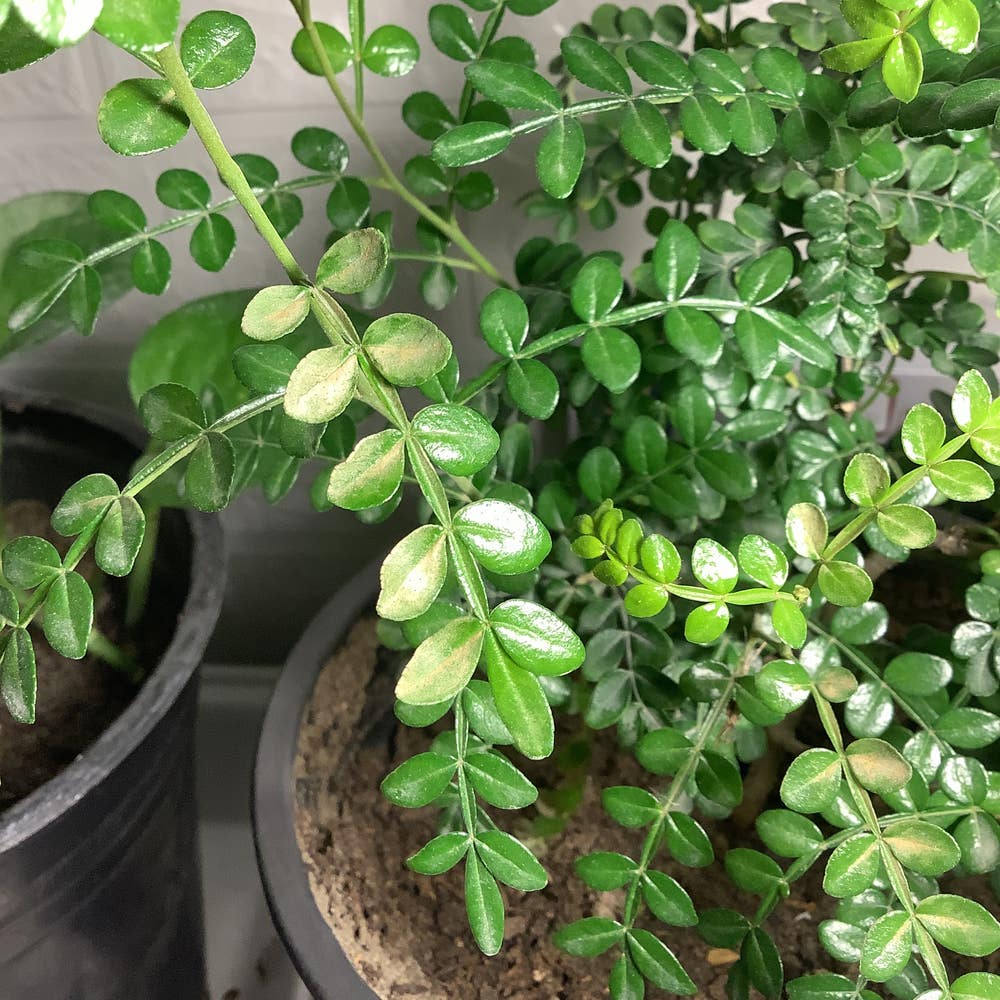
Propagating Wild Lime: The Ultimate Guide
Zanthoxylum fagara
By the Greg Editorial Team
Jun 18, 2024•5 min read
This article was created with the help of AI so we can cover more plants for you. May contain errors. See one? Report it here.
- Select viable seeds, soak for 24 hours to boost germination.
- 🌱 Use rooting hormone and the right environment for stem cuttings.
- Air layering needs patience: keep moss damp and monitor temperature.
Getting Started with Seed Propagation
🌱 Choosing Your Champions: Selecting the Best Seeds
Selecting the right seeds is crucial for successful Wild Lime propagation. Look for seeds that are plump, unblemished, and free from any signs of disease or damage. Freshness is key, so use seeds from a recent harvest or purchase from a reputable nursery to ensure viability.
Before planting, a simple preparation step can increase your chances of germination. Soak the seeds in warm water for 24 hours to soften the outer shell and encourage sprouting.
🌿 Germination Station: Sprouting Your Wild Lime Seeds
Creating the perfect germination environment is like setting the stage for a hit show. Use a seed-starting mix that's light and drains well to avoid waterlogging, which can spell doom for your seedlings.
Consistent moisture and warmth are the VIPs of germination. Cover the seeds lightly with soil and keep them damp, but not drenched. A spray bottle can be your best friend here. Place the pot in a warm spot with indirect sunlight and wait for nature to do its thing.
Caring for your seedlings starts with vigilance. Watch for the first signs of growth and ensure the soil remains moist. If you're using a seed-starting tray with a dome or cover, this can help maintain humidity levels, but don't forget to introduce fresh air to prevent mold growth.
Remember, germination is a waiting game, so patience isn't just a virtue—it's a requirement. Keep a close eye on your Wild Lime babies as they take their first steps towards becoming lush, fruit-bearing trees.

Snip & Root: Stem Cutting Propagation
🌱 Making the Cut: Selecting and Preparing Stem Cuttings
In the quest for Wild Lime propagation, selecting the right stem is like picking a winning lottery ticket. Vibrancy and strength are your go-to indicators of a stem's potential.
🌿 Identifying Healthy Stems
Aim for stems that scream health—lush, pest-free, and disease-averse. Timing is everything; spring or early summer is your golden window when the plant is in its growth prime.
✂️ Cutting Technique
Sterilize your scissors or blade with alcohol—think surgeon clean. Snip below a node at a 45-degree angle; this isn't just a stylish cut, it's strategic, maximizing the area for roots to burst forth.
🌱 Rooting for Success: Encouraging Root Growth
Rooting hormone isn't mandatory, but it's like a growth steroid for your cuttings—use it wisely.
🌱 Using Rooting Hormones
A dip in rooting hormone can be the difference between a thriving plant and a dud. But remember, a little goes a long way—no need to drown the cutting in the stuff.
🌱 Creating the Right Environment
Plant your hormone-dipped cutting in a well-draining mix, and create a mini greenhouse with a plastic bag or dome. Moisture is key, but avoid waterlogging—think damp sponge, not a soaked towel.

High-Five to Air Layering
🌱 The Setup: Preparing for Air Layering
Air layering: it's like giving your Wild Lime a new lease on life, but without the moving trucks. Choose a robust branch, one that screams vitality. Strip away leaves near your target area to avoid a foliage fiasco. Now, get surgical: score two parallel rings around the stem and kiss the bark between them goodbye. This is where the magic happens, where roots will burst forth. Wrap this naked stem segment with sphagnum moss that's been soaked and squeezed, like a sponge in a stress ball factory. Apply rooting hormone if you're into that extra kick. Then swaddle it all in plastic wrap, secure with ties, and voila – you've set the stage for roots to rock out.
🌿 The Waiting Game: Caring for Your Air Layers
Patience is a virtue, especially in the plant world. Keep the moss damp but not drenched; think of it as a moist handshake, not a sopping wet hug. Monitor the temperature; your air layer doesn't appreciate the cold shoulder any more than you do. When roots start to spider their way through the moss, visible like eager kids at a candy store window, it's almost go-time. Don't rush the cut; wait until the roots are robust enough to support a solo gig. Then, with a steady hand and a celebratory spirit, sever the stem below the roots. Pot your new Wild Lime offspring in fresh soil, and give yourself a high-five – you've just expanded your plant family.
Overcoming Propagation Pitfalls
🌱 Common Propagation Problems and Solutions
🍄 Dealing with Damping Off and Other Seedling Sorrows
Damping off can turn your seedling dreams into a fungal nightmare. Prevention is key: ensure your soil is well-draining and avoid overwatering like it's a bad habit. If you spot your seedlings collapsing, it's time to cut back on the moisture and improve air circulation. Think of it as giving your plants a breath of fresh air.
🌱 Troubleshooting Stem Cutting and Air Layering Issues
For cuttings that are as stubborn as a mule and won't root, check your nodes. These are the root growth hotspots, so make sure your cuts are precise. Sterilize your tools to keep diseases at bay; cleanliness isn't just for show, it's a necessity.
💧 Root Rot: The Underwater Menace
When roots get mushy, it's often due to overenthusiastic watering. Ease up on the hydration to avoid drowning your future plants. Remember, roots need oxygen as much as they need water.
🐜 The Pests and Disease Gatecrashers
Keep a vigilant eye out for pests and diseases. They're like unwanted guests at a party. Regular inspections and prompt action can save your propagation efforts. If you see mold or mildew, improve airflow and consider a fungicide—precision is your friend here.
⏳ The Waiting Game: Patience Pays Off
Sometimes, growth is as slow as a snail on a leisurely stroll. Don't rush it. Check that your lighting and temperature are on point, and give your plants the time they need to flourish. Patience isn't just a virtue; it's a requirement in the world of propagation.
⚠️ Safety First
This content is for general information and may contain errors, omissions, or outdated details. It is not medical, veterinary advice, or an endorsement of therapeutic claims.
Always consult a qualified healthcare professional before using any plant as food, medicine, or supplement.
Never eat any plant (or feed one to pets) without confirming its identity with at least two trusted sources.
If you suspect poisoning, call Poison Control (800) 222-1222, the Pet Poison Helpline (800) 213-6680, or your local emergency service immediately.
Spotted an error? Please report it here.
Ensure your wild lime propagation flourishes by mastering every step 🌿 with Greg's reminders for watering, environment monitoring, and care tips tailored to your plant's needs.