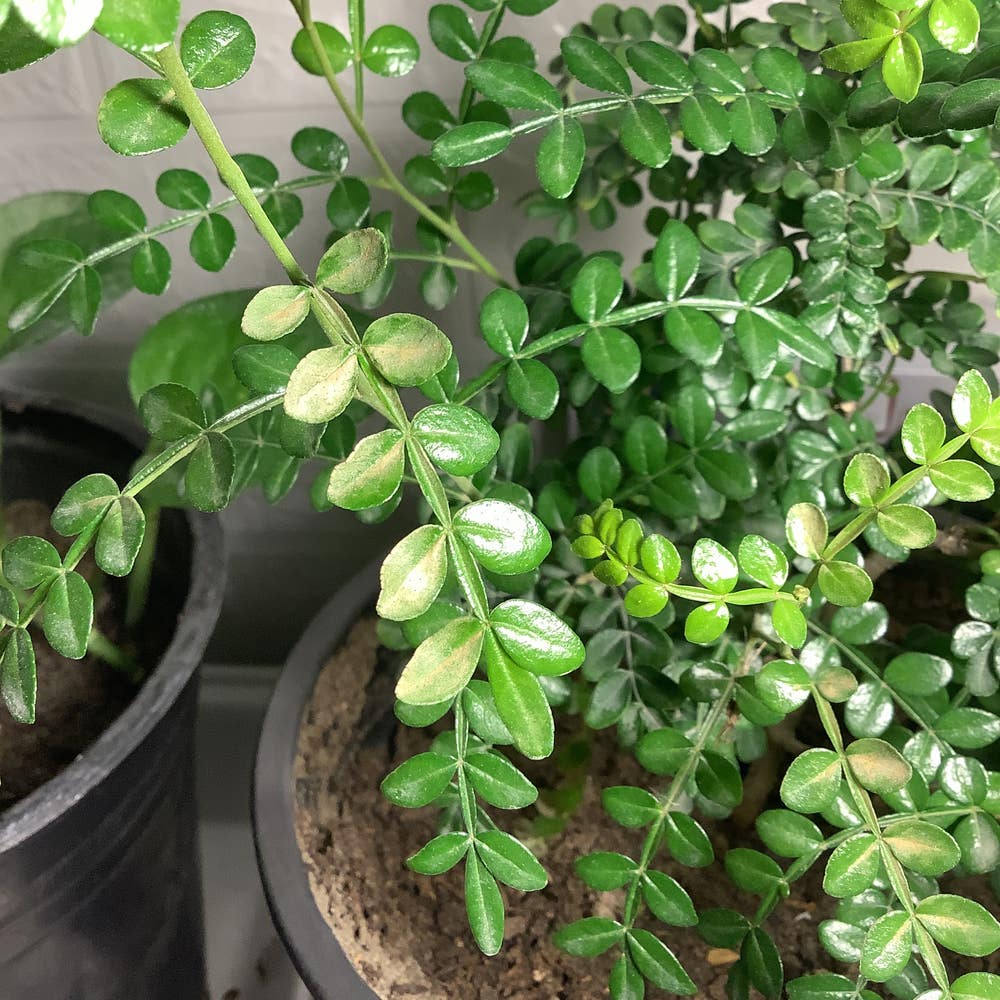
Wild Lime Is Not Considered a Weed 🍋
Zanthoxylum fagara
By the Greg Editorial Team
Sep 30, 2024•6 min read
This article was created with the help of AI so we can cover more plants for you. May contain errors. See one? Report it here.
- 🌱 Wild Lime is non-invasive, thriving without outcompeting native plants.
- 🐝 Attracts pollinators and supports biodiversity with its fragrant flowers and edible fruits.
- 🌳 Ideal for sustainable gardening, enhancing soil health and promoting a vibrant ecosystem.
Plant Classification
🌱 Definition of Invasive Species
Invasive species are plants or animals that grow and spread rapidly, often outcompeting native flora. They can disrupt local ecosystems, leading to a decline in biodiversity and altering habitats.
Key characteristics of invasive species include:
- Rapid Growth and Spread: They can quickly dominate an area.
- Displacement of Native Flora: They often push out local plants, disrupting the natural balance.
- Negative Impact on Local Ecosystems: Their presence can lead to a decline in native species and overall ecosystem health.
🍃 Why Wild Lime is Not Invasive
Wild Lime stands apart from invasive species due to its unique growth behavior. It has a limited spread potential, primarily because of its natural growth habits.
- Growth Behavior: Wild Lime typically thrives in specific ecological niches, which restricts its spread.
- Non-Invasive Nature: It does not outcompete native plants, allowing them to coexist harmoniously. This balance is crucial for maintaining healthy ecosystems.
In essence, Wild Lime contributes positively to its environment rather than disrupting it. This makes it a valuable addition to gardens and natural landscapes alike.
As we explore its growth habits next, we'll see how these characteristics further define its role in our gardens.
Growth Habits
🌱 Typical Growth Patterns in Gardens
Wild Lime typically grows as a shrub or small tree, reaching heights between 10 to 20 feet. Its moderate growth rate allows it to adapt well to various soil types, making it a versatile choice for gardeners.
🌧️ Natural Limits to Growth and Spread Potential
Wild Lime thrives best in well-drained soils and enjoys full sun to partial shade. However, its growth is naturally limited by moisture availability and competition from other plants.
🌍 Spread Potential
The plant has a limited seed dispersal mechanism, which means it primarily grows in localized areas. This characteristic helps maintain its non-invasive nature, allowing it to coexist harmoniously with surrounding flora.
Incorporating Wild Lime into your garden can enhance its beauty while ensuring a balanced ecosystem. Next, let’s explore the ecological role of Wild Lime and its benefits to local wildlife.
Ecological Role
🌼 Benefits of Wild Lime in Ecosystems
Wild Lime plays a vital role in attracting pollinators. Its small, fragrant flowers serve as a delicious food source for bees and butterflies, making it a favorite in any garden.
Additionally, the plant produces edible fruits that provide nourishment for birds and other wildlife. This makes Wild Lime not just a pretty face, but a functional part of the ecosystem.
🦋 Positive Interactions with Local Wildlife
Wild Lime supports biodiversity by serving as a habitat for various insects and small animals. This creates a thriving environment where different species can coexist.
Moreover, its unique aromatic foliage acts as a natural pest deterrent. This quality promotes a healthier garden ecosystem, reducing the need for chemical interventions.
Incorporating Wild Lime into your garden not only enhances its beauty but also fosters a vibrant, balanced ecosystem. As we explore further, we'll look at how to effectively manage this plant in your garden design.
Garden Management
Methods for Incorporating Wild Lime into Garden Designs 🌿
Wild Lime is a versatile addition to any garden. It thrives in mixed borders, wildlife gardens, and can even stand alone as a specimen plant.
This shrub or small tree enhances naturalistic landscaping, promoting biodiversity. Its presence attracts various pollinators and provides a habitat for local wildlife.
Considerations for Controlling Growth ⚖️
Managing Wild Lime is straightforward, but it does require some attention. Here are effective methods to keep it in check:
Regular Pruning: Trim back the plant to maintain its shape and size. This encourages healthy growth and prevents it from becoming unruly.
Monitoring Spread: Keep an eye on its growth. If it starts to encroach on other areas, selectively remove unwanted shoots to maintain balance.
Using Barriers: Consider installing root barriers in garden beds. This helps limit its spread while allowing you to enjoy its benefits.
By incorporating these strategies, you can enjoy the beauty of Wild Lime while keeping it well-managed in your garden. This balance allows for a thriving ecosystem that supports both plants and wildlife.
Next, let’s explore the ecological role of Wild Lime and its benefits in local environments.
Comparison to Other Plants
🌱 Similar Non-Invasive Plants
When considering non-invasive plants, Spicebush and Elderberry stand out as excellent alternatives. Both are native shrubs that thrive in similar environments, offering ecological benefits without overwhelming local ecosystems.
🍋 Unique Qualities of Wild Lime
Wild Lime boasts distinctive features that set it apart. Its aromatic foliage not only adds a sensory element to gardens but also produces edible fruits that attract wildlife.
This plant holds cultural significance, often used in traditional medicine and culinary practices. Its versatility makes it a valuable addition to any garden.
🌼 Benefits in Garden Settings
Incorporating Wild Lime enhances the aesthetic appeal of your garden while supporting local wildlife. Its presence can create a vibrant ecosystem, inviting pollinators and other beneficial creatures.
By choosing Wild Lime, you're not just planting a shrub; you're fostering biodiversity and enriching your garden's environment. This makes it a fantastic choice for eco-conscious gardeners looking to make a positive impact.
As we explore the legal and environmental considerations surrounding plant choices, keep in mind how Wild Lime aligns with sustainable gardening practices.
Legal and Environmental Considerations
🌍 Relevant Classifications and Guidelines
Understanding local regulations is crucial when incorporating plants like wild lime into your garden. Many areas have specific guidelines regarding the planting of native species to ensure ecological balance.
Using native plants is not just a trend; it's a sustainable practice that supports local ecosystems. Native plants, including wild lime, help maintain biodiversity and provide essential habitats for wildlife.
🌱 Role in Sustainable Gardening Practices
Wild lime plays a significant role in sustainable gardening by enhancing biodiversity. Its presence can improve soil health and create a thriving environment for various organisms.
Moreover, wild lime aligns with sustainable landscape integration principles. Its pest-repelling properties reduce the need for chemical pesticides, promoting a healthier garden ecosystem.
Incorporating wild lime into your garden not only beautifies your space but also contributes positively to the environment. As you plan your garden, consider how these plants can support local wildlife and create a balanced ecosystem.
With these considerations in mind, you can make informed choices that benefit both your garden and the environment. Next, let’s explore how to effectively manage wild lime in your garden design.
⚠️ Safety First
This content is for general information and may contain errors, omissions, or outdated details. It is not medical, veterinary advice, or an endorsement of therapeutic claims.
Always consult a qualified healthcare professional before using any plant as food, medicine, or supplement.
Never eat any plant (or feed one to pets) without confirming its identity with at least two trusted sources.
If you suspect poisoning, call Poison Control (800) 222-1222, the Pet Poison Helpline (800) 213-6680, or your local emergency service immediately.
Spotted an error? Please report it here.
Discover the eco-friendly charm of Wild Lime 🌿 and let Greg provide personalized care tips to help your garden flourish while supporting local biodiversity!