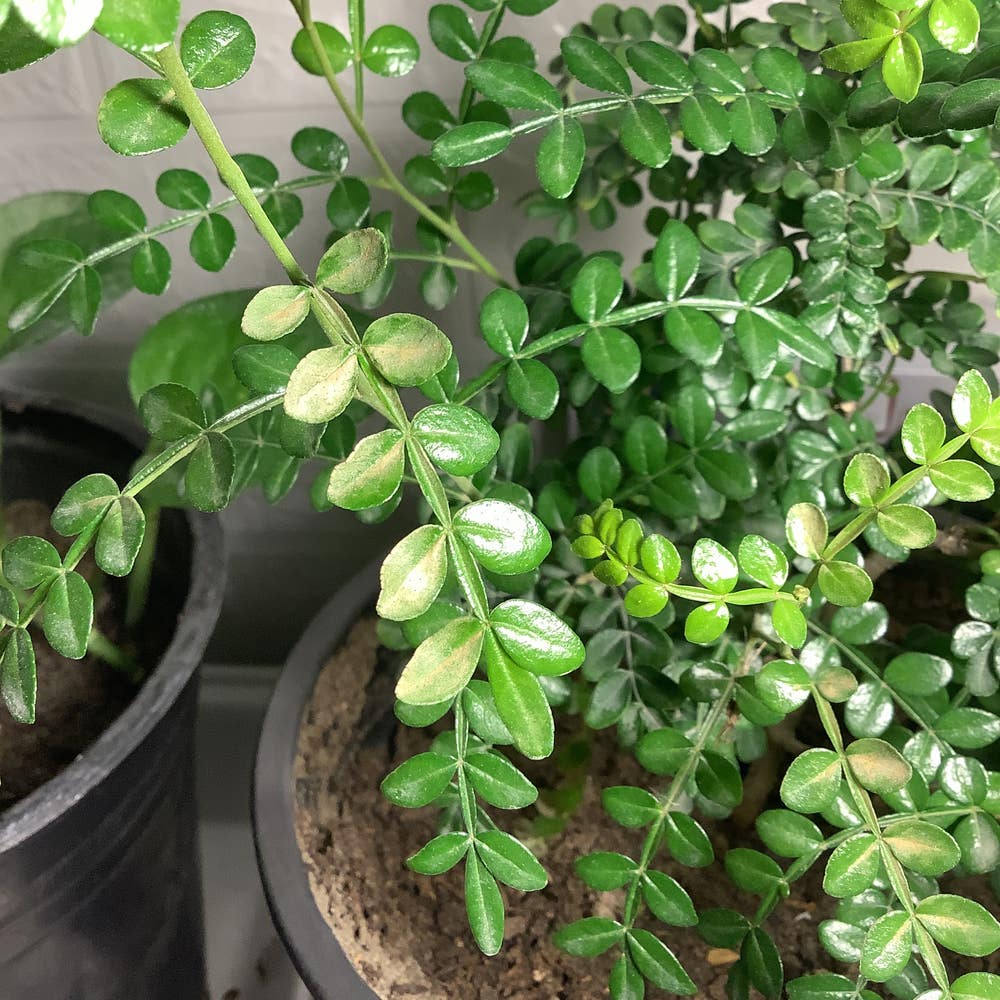
7 Secrets to Successfully Grow Wild Lime 🍋
Zanthoxylum fagara
By the Greg Editorial Team
Sep 30, 2024•6 min read
This article was created with the help of AI so we can cover more plants for you. May contain errors. See one? Report it here.
- 🍋 Wild lime offers culinary, medicinal, and ornamental benefits for diverse uses.
- ☀️ Requires 6-8 hours of sunlight daily for optimal growth and health.
- 🌱 Proper spacing and well-drained soil are crucial for thriving wild lime plants.
Importance of Cultivation
Wild lime is a powerhouse of versatility. Its culinary, medicinal, and ornamental uses make it a fantastic addition to any garden or kitchen.
🍽️ Culinary Uses
In the kitchen, wild lime adds a zesty kick to dishes. From marinades to desserts, its unique flavor can elevate your culinary creations.
💊 Medicinal Benefits
Medicinally, wild lime is known for its potential health benefits. It’s often used in traditional remedies for various ailments, making it a valuable plant for holistic health enthusiasts.
🌿 Ornamental Appeal
As an ornamental plant, wild lime brings vibrant greenery and fragrant blooms to your space. Its aesthetic appeal can enhance any garden or patio.
🌍 Accessibility for All
One of the best aspects of wild lime cultivation is its accessibility. Whether you have a sprawling garden or just a small balcony, you can grow this plant in containers or directly in the ground.
🏁 Conclusion
With its diverse applications and easy cultivation, wild lime is a must-have for any plant lover. Ready to dig deeper into the specifics of growing this remarkable plant? Let’s explore site selection and soil preparation next!
Site Selection and Soil Preparation
Choosing the Right Location 🌞
Selecting the right spot for your wild lime is crucial. Aim for a location that receives full sun, ideally 6 to 8 hours daily, to ensure robust growth.
Space is equally important. When planting outdoors, give each tree enough room to thrive by spacing them 6 to 10 feet apart.
Soil Type and pH Requirements 🌱
The ideal soil for wild lime is well-drained sandy loam. This type of soil allows for proper aeration and moisture retention, essential for healthy roots.
Additionally, aim for a pH range of 6.0 to 7.0, which is slightly acidic to neutral. This balance helps the plant absorb nutrients effectively.
Soil Preparation Techniques 🛠️
Preparing your soil is a vital step in the cultivation process. Incorporate organic matter like compost or peat moss to enrich the soil and improve its structure.
Don't forget about drainage! Ensuring proper drainage is key to preventing root rot, which can be detrimental to your wild lime's health.
With the right location and soil preparation, you're setting the stage for a thriving wild lime plant. Next, let’s dive into the planting instructions to get your lime tree in the ground!
Planting Instructions ((difficulty:easy))
Step-by-Step Planting 🌱
Prepare the planting hole: Dig a hole that is twice the width and depth of the root ball. This gives the roots ample space to spread out.
Remove the plant from the container: Carefully take the plant out, loosening any pot-bound roots. This step is crucial for healthy growth.
Position the plant: Place the plant in the hole at the same depth it was in the container. This ensures it establishes well.
Backfill with soil: Fill in around the plant with soil, packing it firmly around the base. This helps eliminate air pockets.
Water thoroughly: After planting, give it a good drink. This helps the soil settle around the roots and provides immediate hydration.
Best Planting Times 🌼
- Seasonal considerations: Aim to plant in spring or early summer. This timing supports optimal growth as the plant establishes itself.
Container vs. Outdoor Planting 🌍
Container Growing
Container growing is perfect for those with limited space. Just make sure to use a pot with drainage holes to prevent waterlogging.
Outdoor Planting
Outdoor planting requires more room and offers the plant protection from frost. Ensure you choose a spot that gets plenty of sunlight for the best results.
With these planting instructions, you're well on your way to nurturing a thriving wild lime plant. Next, let’s dive into the essential aspects of watering and fertilizing to keep your plant healthy and productive.
Watering and Fertilizing
Watering Requirements 🌊
Watering is crucial for the health of your wild lime. Aim to water deeply once a week, but be ready to adjust based on weather conditions.
For consistent moisture, consider using drip irrigation or soaker hoses. These methods deliver water directly to the roots, minimizing evaporation and ensuring your plant thrives.
Fertilization Schedule 🌱
Choosing the right fertilizer can make a significant difference. Use a balanced NPK fertilizer (10-10-10) or a citrus-specific fertilizer to provide essential nutrients.
Fertilize every 6-8 weeks during the growing season for optimal growth. This regular feeding helps your wild lime produce lush foliage and abundant fruit.
Signs of Overwatering or Underwatering 🚰
It's essential to recognize the signs of watering issues. Overwatering can lead to yellowing leaves and root rot, which can be detrimental to your plant's health.
On the flip side, underwatering manifests as wilting leaves and dry soil. Keep an eye on your plant's condition to ensure it receives just the right amount of water.
Understanding these watering and fertilizing basics will set you on the path to a flourishing wild lime. Next, let’s explore the importance of pruning and maintenance to keep your plant healthy and productive.
Pruning and Maintenance
Importance of Pruning 🌱
Pruning is essential for promoting healthy growth and maximizing fruit production. It also helps remove dead or diseased branches, ensuring your wild lime thrives.
Pruning Techniques and Timing ⏰
The best time to prune is late winter or early spring, just before new growth begins. Focus on thinning out crowded branches and shaping the tree for better air circulation and light penetration.
Ongoing Care Routine 🔍
Regularly monitor your wild lime for pests and diseases to catch issues early. Adjust your watering and fertilizing routine based on the plant's growth stages to keep it healthy and productive.
By staying proactive with pruning and maintenance, you’ll set your wild lime up for success. Next, let’s explore common challenges and solutions to ensure your plant continues to flourish.
Common Challenges and Solutions
🐛 Identifying Common Pests and Diseases
Growing wild lime can come with its share of challenges. Common pests include aphids, spider mites, and scale insects, which can sap the vitality of your plants.
Diseases like root rot and leaf spot can also pose significant threats. Recognizing these issues early is crucial for effective management.
🧼 Solutions for Pest Control
When it comes to pest control, you have options. For organic solutions, consider using neem oil or insecticidal soap, which are effective and environmentally friendly.
If the infestation is severe, systemic insecticides may be necessary. Always follow the instructions carefully to minimize harm to beneficial insects.
🌱 Addressing Nutrient Deficiencies
Nutrient deficiencies can manifest in various ways. Yellowing leaves and poor fruit development are common signs that your wild lime may not be getting the nutrients it needs.
To address these deficiencies, start with soil testing. This will help you identify specific nutrient needs, allowing for targeted fertilization that can rejuvenate your plants.
By staying vigilant and proactive, you can tackle these common challenges head-on. This will ensure your wild lime thrives, setting the stage for a bountiful harvest.
⚠️ Safety First
This content is for general information and may contain errors, omissions, or outdated details. It is not medical, veterinary advice, or an endorsement of therapeutic claims.
Always consult a qualified healthcare professional before using any plant as food, medicine, or supplement.
Never eat any plant (or feed one to pets) without confirming its identity with at least two trusted sources.
If you suspect poisoning, call Poison Control (800) 222-1222, the Pet Poison Helpline (800) 213-6680, or your local emergency service immediately.
Spotted an error? Please report it here.
Unlock the culinary magic 🍋 of wild lime by using Greg's tailored care tips and reminders to ensure your plants flourish for a thriving harvest!