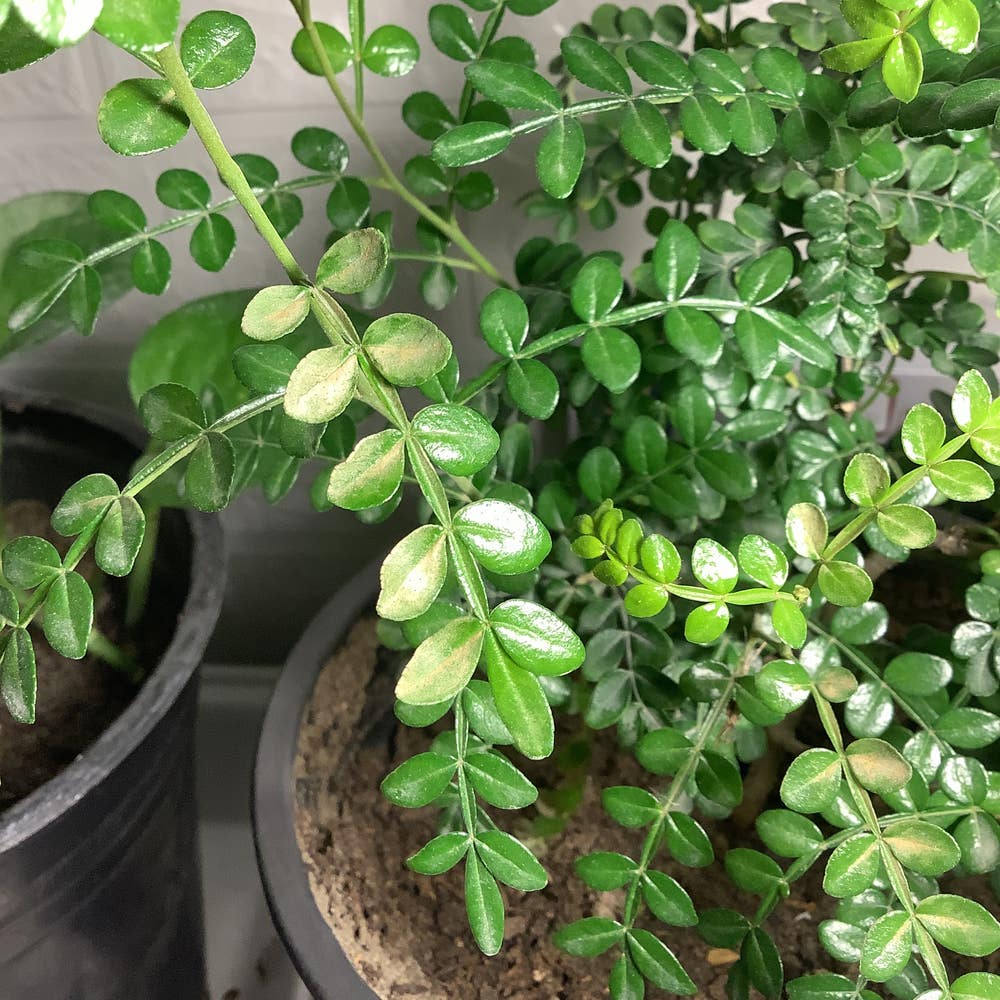
Best Potting Soil Mix for Wild Lime
Zanthoxylum fagara
By the Greg Editorial Team
Feb 07, 2024•4 min read
This article was created with the help of AI so we can cover more plants for you. May contain errors. See one? Report it here.
- Mold and compaction harm Wild Lime, look for fuzz, wilting, and root rot.
- DIY mix: peat moss, pine bark, perlite for perfect Wild Lime soil.
- Monitor moisture and pH regularly to maintain Wild Lime health.
Spotting and Fixing Unhappy Wild Lime Soil
🚫 Signs Your Wild Lime is Soil-Stressed
🍄 Moldy Moments: What Mold in Soil Looks Like
White or gray fuzz on the soil surface is a red flag; it's not just unsightly, it's harmful. A musty smell is another tell-tale sign of mold. This indicates excess moisture and poor air circulation, which can be detrimental to your Wild Lime.
💧 Water Woes: Recognizing and Resolving Waterlogging
Yellowing leaves, wilting despite ample water, or roots turning dark with a rotting odor are all symptoms of waterlogged soil. If the soil feels more like a swamp than a nurturing habitat, it's time for some quick action to save your plant.
🌱 Soil CPR: Reviving Your Wild Lime's Foundation
🍄 Mold Mitigation: Steps to Eradicate Fungal Foes
First, scrape off any visible mold. Let the soil dry out by reducing watering and improving airflow. If the problem persists, consider repotting with a fresh, sterile mix, ensuring the new environment stays on the drier side.
🌿 Compaction Correction: How to Loosen Up for Better Breathing
Compacted soil is a root's worst nightmare. To fix this, aerate the soil by gently fluffing it up, adding in some perlite or coarse sand to improve drainage. Remember, roots need room to breathe, so keep the soil loose and crumbly.
Shopping for Wild Lime's Soil Soulmate
🔍 Key Components of a Wild Lime-Friendly Mix
🚰 Drainage Dreams: Ingredients That Keep It Flowing
For drainage that doesn't disappoint, your Wild Lime's potting mix should be a maestro at moisture management. Perlite or vermiculite are your go-to guys, ensuring water flows freely without waterlogging your plant's roots. Mix in some coco coir for an airy vibe that roots relish.
🍋 Acidic Aspirations: Ensuring the Right pH for Your Plant
Wild Lime plants groove on a slightly acidic pH. Aim for a soil mix that hangs out in the 5.5 to 6.5 range. A bit of limestone can adjust the pH to hit that sweet spot. Remember, it's like the bass line of your plant's life—get it right, and everything else falls into rhythm.
🛒 Store-Bought vs. Soulful Homemade: Weighing Your Options
🛠️ Pre-Mixed Perfection: Top Picks for Wild Lime
If mixing soil feels like a chore, grab a pre-mixed bag that's ready to roll. Look for mixes boasting organic matter and a pH that plays nice with your Wild Lime. It's a time-saver and you won't have to play mad scientist with soil components.
🌱 The DIY Route: When Homemade Makes Sense
For those who get a kick out of DIY, mixing your own soil can be a badge of honor. You'll need to channel your inner mixologist—peat moss for the base, pine bark for texture, and a dash of perlite for that perfect drainage. It's like crafting a bespoke cocktail for your plant's roots.
Crafting the Ultimate Wild Lime Potting Mix at Home
🌱 The Perfect Recipe: Ingredients and Ratios
Peat moss is your go-to base, holding moisture like a champ. For every bucket of peat, you'll want to add a bucket of pine bark. This stuff doesn't mess around when it comes to aeration. Then, throw in a half bucket of perlite; it's like the bouncer at the club, ensuring excess water gets kicked out.
🌿 Mix Mastering: Steps to Sterile and Superb Soil
Sterilization isn't just for surgeons. Bake your peat and pine bark at 200°F for 30 minutes to nix any freeloaders. Once cool, get down and dirty, mixing your ingredients like a salad chef aiming for the perfect toss. If it feels like a dry sponge, add water until it's just damp.
Keeping Your Wild Lime's Soil in Prime Condition
💧 Routine Checkups: What to Look For
🌡️ Moisture Metering: Balancing Wet and Dry
Wild Lime thrives when the soil dries out between waterings. To prevent the tragedy of over or under-watering, use a moisture meter. It's like having a hydration translator for your plant.
🧪 pH Testing: Keeping Acidity in Check
Soil pH is crucial for nutrient uptake. Test regularly, especially if using tap water, as it can alter soil acidity. Aim for a pH sweet spot between 6.0 and 6.5 to keep your Wild Lime smiling.
🛠 Quick Fixes for Common Soil Snags
🍽️ Nutrient Know-How: Spotting and Solving Deficiencies
If your Wild Lime's leaves look off, it might be screaming for nutrients. Get up close with a soil test kit; it's like reading your plant's diary. Amend with compost or a balanced fertilizer to address any deficiencies.
🧪 pH Puzzles: Adjusting Acidity Affordably and Effectively
When soil pH is more roller coaster than steady ride, it's time to adjust. Add lime to raise pH, or sulfur to lower it. Remember, changes take time, so patience is key. Keep testing and adjusting—it's the secret sauce for long-term plant health.
⚠️ Safety First
This content is for general information and may contain errors, omissions, or outdated details. It is not medical, veterinary advice, or an endorsement of therapeutic claims.
Always consult a qualified healthcare professional before using any plant as food, medicine, or supplement.
Never eat any plant (or feed one to pets) without confirming its identity with at least two trusted sources.
If you suspect poisoning, call Poison Control (800) 222-1222, the Pet Poison Helpline (800) 213-6680, or your local emergency service immediately.
Spotted an error? Please report it here.
Craft the ultimate potting soil for your Wild Lime and let Greg 🍋 keep you on track with watering and pH reminders for unbeatable growth.