9 Key Phases of Wild Lime Development 🍈
Zanthoxylum fagara
By the Greg Editorial Team
Sep 30, 2024•5 min read
This article was created with the help of AI so we can cover more plants for you. May contain errors. See one? Report it here.
- 🌱 Wild lime seeds germinate best at 20°C to 30°C (68°F to 86°F).
- 💧 Consistent moisture is crucial for germination; avoid waterlogging for success.
- 🌼 Wild lime flowers attract pollinators, enhancing genetic diversity and ecological roles.
Germination Phase
🌱 Conditions for Germination
To kick off the germination phase of wild lime, specific conditions must be met. The optimal temperature ranges from 20°C to 30°C (68°F to 86°F), creating a cozy environment for the seeds.
Soil type plays a crucial role as well. Well-draining, sandy loam is ideal, allowing roots to breathe while retaining necessary moisture.
Moisture is another key factor. Seeds require consistent moisture without the risk of waterlogging, which can suffocate them.
⏳ Duration of Germination
Germination typically takes about 2-4 weeks. However, this duration can vary based on several factors.
Soil temperature, moisture levels, and seed viability all influence how quickly seeds sprout. Keeping an eye on these elements can help ensure a successful start for your wild lime plants.
With the right conditions in place, you're setting the stage for robust growth ahead. Next, let’s explore the seedling stage and what to expect as your wild lime begins to take shape.
Seedling Stage
🌱 Characteristics of Seedlings
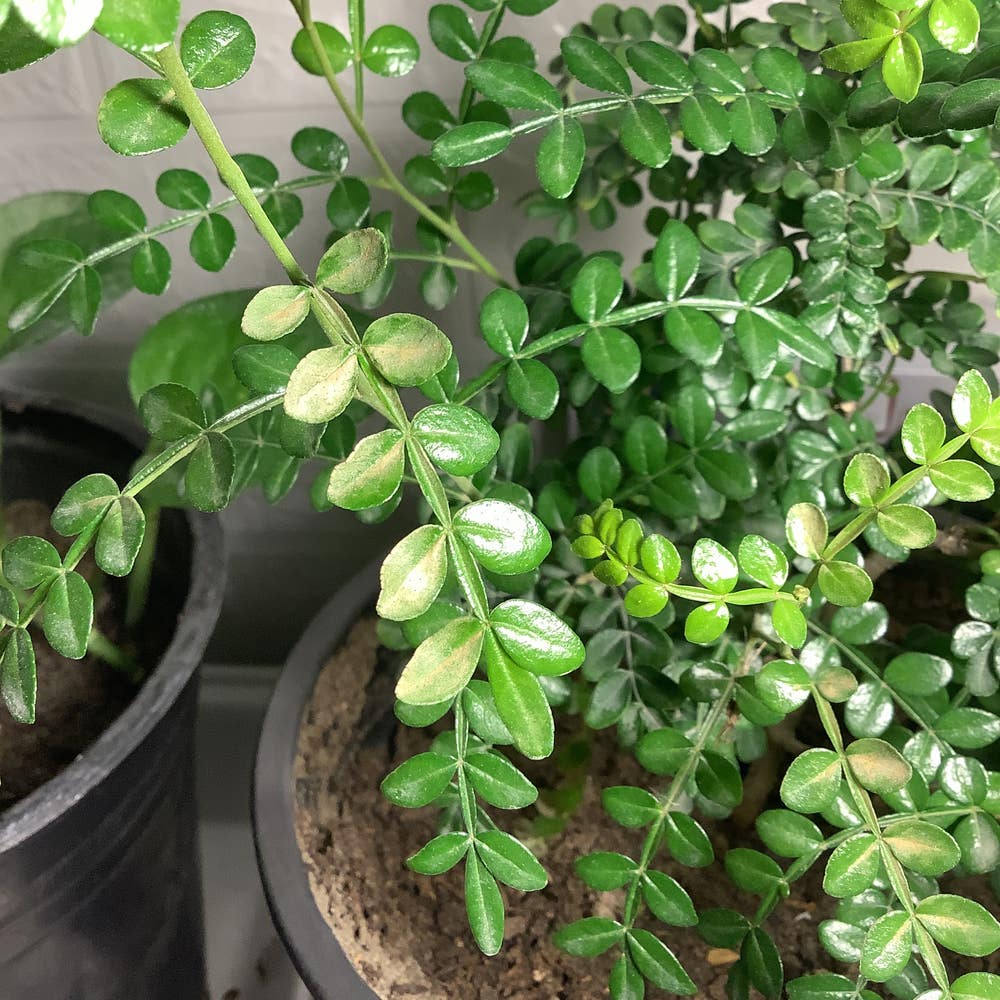
During the seedling stage, wild lime plants typically reach an initial height of 2 to 6 inches. Their leaves are simple and compound, boasting a glossy appearance that catches the eye.
The root system begins to establish a strong taproot, which is crucial for stability as the plant grows. This foundational development sets the stage for future growth and resilience.
⏳ Duration of Seedling Growth
The average duration for the seedling stage is about 4 to 8 weeks. However, this can vary based on environmental factors like light availability and soil nutrients.
Optimal conditions can significantly enhance growth speed, ensuring your wild lime seedlings thrive. Understanding these factors can help you nurture them effectively as they transition to the next phase of development.
As we move forward, let’s explore the exciting vegetative growth phase, where wild lime plants truly begin to flourish.
Vegetative Growth
Growth Patterns and Changes 🌱
During the vegetative growth phase, wild lime experiences a rapid height increase, often reaching between 3 to 5 feet. This is a crucial time for the plant, as it develops mature leaves that enhance its ability to photosynthesize and increase leaf density.
Branching also becomes prominent in this stage, with spiny branches forming to provide structural support. These branches not only contribute to the plant's resilience but also create a unique aesthetic that can add character to any landscape.
Duration of Vegetative Phase ⏳
The vegetative phase typically lasts between 1 to 3 years, depending on various factors. Soil fertility plays a significant role; nutrient-rich soils can accelerate growth.
Water availability is another critical factor, as consistent moisture supports robust development. Additionally, light exposure is essential; adequate sunlight ensures the plant can thrive and maximize its growth potential.
Understanding these dynamics can help you cultivate healthier wild lime plants, setting the stage for their flowering and fruiting stages.
Flowering Stage
Flower Characteristics and Timing 🌼
Wild lime plants produce small, yellow-green flowers that are not just visually appealing but also play a crucial role in the ecosystem. These flowers typically bloom in late spring to early summer, creating a vibrant display that attracts various pollinators.
Attractiveness to Pollinators 🐝
The flowers are particularly attractive to bees and other insects, making them essential for pollination. This interaction not only supports the plant's reproductive process but also enhances genetic diversity through cross-pollination.
Pollination Process 🔄
Pollination is primarily carried out by bees and other insects that visit the flowers. This cross-pollination method increases genetic diversity, which is vital for the resilience and adaptability of wild lime plants.
Importance of Pollinators 🌍
The role of pollinators extends beyond just wild lime; they are crucial for many plants in the ecosystem. By supporting these pollinators, we contribute to a healthier environment and promote biodiversity.
As we transition to the next phase, understanding seed production will reveal how these beautiful flowers lead to the next generation of wild lime plants.
Seed Production
Seed Development and Dispersal 🌱
Wild lime plants produce small, round capsules that house their seeds. These fruits are not just a feast for the eyes; they play a vital role in the plant's lifecycle.
Animals are the primary dispersal agents for these seeds. When they consume the fruit, they help spread the seeds through their waste, ensuring the continuation of the wild lime population.
Duration of Seed Production Phase ⏳
The seed production phase typically lasts about 2 to 4 months after flowering. This timeframe can vary based on environmental conditions and the success of pollination.
Factors like temperature, moisture, and pollinator activity can significantly influence how quickly seeds develop. A thriving ecosystem supports a more efficient seed production process, ensuring the wild lime's legacy continues.
As we explore the next phase, understanding the maturation and lifespan of wild lime will reveal how these plants thrive over the years.
Maturation and Lifespan
🌳 Overall Lifespan of Wild Lime
Wild lime trees typically enjoy a lifespan of 20 to 30 years when grown in optimal conditions. However, their longevity can be affected by various environmental stressors, diseases, and competition from other plants.
⏳ Factors Affecting Maturation Time
Soil quality plays a crucial role in how quickly wild lime matures. Nutrient-rich soils can significantly speed up growth, while poor soil can hinder development.
☀️ Climate Conditions
Adequate rainfall and favorable temperatures are essential for quicker maturation. A balanced climate helps the tree thrive and reach its full potential.
📏 How Long Until Wild Lime is Fully Grown?
You can expect wild lime to reach its full height and maturity in about 3 to 5 years. This timeframe allows the tree to establish itself and develop a robust structure.
🚀 How Fast Does Wild Lime Grow?
Under ideal conditions, wild lime grows at a moderate pace, averaging 1 to 2 feet per year. This steady growth rate ensures that the tree can adapt and flourish in its environment.
Understanding the maturation and lifespan of wild lime not only highlights its resilience but also sets the stage for appreciating its ecological role. Next, we will explore the flowering stage, where this remarkable plant showcases its beauty and attracts vital pollinators.
⚠️ Safety First
This content is for general information and may contain errors, omissions, or outdated details. It is not medical, veterinary advice, or an endorsement of therapeutic claims.
Always consult a qualified healthcare professional before using any plant as food, medicine, or supplement.
Never eat any plant (or feed one to pets) without confirming its identity with at least two trusted sources.
If you suspect poisoning, call Poison Control (800) 222-1222, the Pet Poison Helpline (800) 213-6680, or your local emergency service immediately.
Spotted an error? Please report it here.
Master the 9 phases of wild lime growth 🌱 with Greg's custom watering alerts and care tips, ensuring your plant flourishes in its perfect environment!