🌞 Does My Wild Lime Need Direct Sunlight?
Zanthoxylum fagara
By the Greg Editorial Team
Feb 07, 2024•4 min read
This article was created with the help of AI so we can cover more plants for you. May contain errors. See one? Report it here.
- 🌞 Generous sunlight needed, but avoid direct summer sun.
- Scorched leaves mean too much sun; use shade or sheer curtains.
- Adjust care with seasons; more light in winter, less in summer.
Soaking Up the Rays: Wild Lime's Sunlight Needs
🌞 Does Wild Lime Crave the Sun?
Wild Lime plants are sun worshippers, thriving in generous light. They demand a spot where the sun's rays can lavish them with attention, preferably less than a foot from a window. This proximity ensures they soak up the brightness they need to flourish.
🚫 The Tolerance Test: How Much Sun is Too Much?
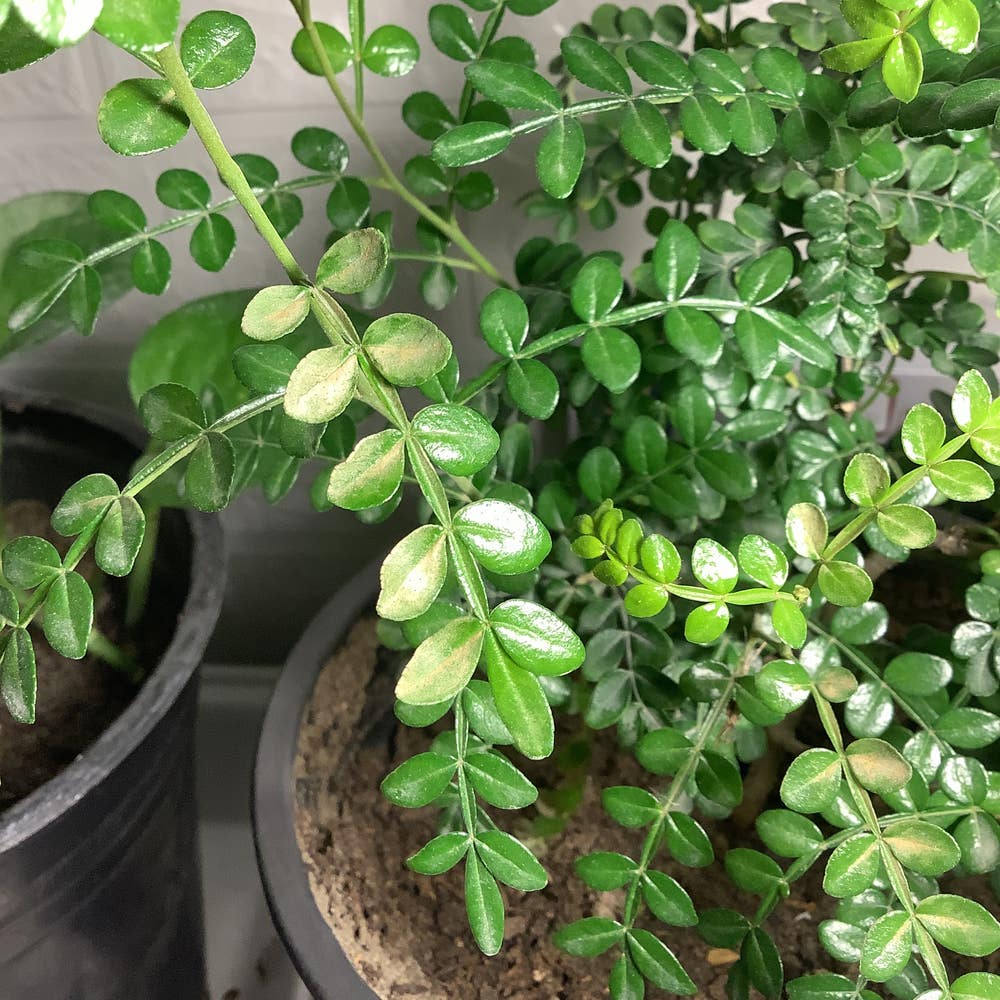
While they love basking, there's a fine line before pleasure turns to pain. Scorched leaves are a cry for help, a sign that your Wild Lime has had more than its fair share of sun. If you notice crispy edges or bleached spots, it's time to intervene with some shade.
🌿 Natural Habitat Clues: What Wild Lime's Origins Tell Us
The Wild Lime's backstory gives us clues about its sun needs. Originating from environments where sunlight is filtered through other foliage, it's accustomed to bright, indirect light. In your home, mimic this by avoiding the midday sun's direct assault, especially during summer's peak.
Through the Looking Glass: Windows and Wild Lime
🌞 The Best Seat in the House: Choosing the Right Window for Your Wild Lime
South-facing windows are the solar powerhouses, offering a steady stream of sunlight for your Wild Lime. Think of them as the front-row seats to the sun's daily performance. But remember, like a front-row seat, it can get intense; moderation is key.
🧭 North, South, East, or West: The Window Direction Dilemma
East-facing windows provide a gentle morning light, a soft start to the day that won't shock your Wild Lime with too much sun. West-facing windows, on the other hand, deliver a strong afternoon light, potentially too harsh for your plant if left unchecked. North-facing windows are the low-light lounges, offering a consistent but dim light that may leave your Wild Lime wanting more.
🌍 Hemisphere Hints: Adjusting Care by Location
In the northern hemisphere, south-facing windows are your go-to for maximum light exposure. Flip the script if you're in the southern hemisphere—north-facing windows become the sun-drenched stages. Adjust accordingly with the seasons, as the angle of the sun changes, so too should your Wild Lime's position.
Seasonal Shifts and Sunlight Strategies
🌞 Summer Blaze vs. Winter Wane: Adapting to the Seasons
Wild lime plants are sun worshippers in their natural habitat, but even they need a break from the intense summer sun. As the mercury rises, your wild lime will appreciate some afternoon shade to avoid leaf burn. Think of it as a midday siesta from the sun's relentless gaze.
In winter, the sun's intensity dials down. This is your cue to let your wild lime soak up as much light as possible. Place it near a window where it can bask in the weaker rays without the risk of cold drafts. It's like giving your plant a front-row seat to the scarce winter sunlight show.
🌡️ Temperature Tango: Balancing Heat and Light
The dance between heat and light is a delicate one. Your wild lime doesn't just crave sunlight; it needs warmth too. Avoid placing your plant near heat sources like radiators in winter, as this can lead to dehydration. Instead, find a spot that offers a steady temperature along with ample light.
Come summer, ensure your wild lime isn't sitting in a hot, stuffy corner. Circulate the air with a fan or crack open a window to create a gentle breeze. Your plant will thank you for the refreshing airflow as it continues to photosynthesize in peace.
Shielding Your Wild Lime from Too Much Sun
🌞 Creating a Sunscreen: Tips for Protecting Wild Lime
Bright, indirect sunlight is the sweet spot for your Wild Lime. To avoid the harsh midday sun, sheer curtains can act as a perfect filter. They're like sunglasses for your plant, protecting it from the intense glare without leaving it in the dark. If you're out of curtains, moving the plant a few feet away from the window can also do the trick. It's all about crafting that ideal balance of light and shade.
🕶️ When to Move Your Plant: Recognizing the Signs of Sun Stress
Keep an eye out for leaf scorch—it's a tell-tale sign that your Wild Lime is getting too much sun. Leaves may curl, crisp up, or develop dry, brown edges. If you spot these symptoms, it's time to act. Shift your plant to a less exposed location, but do it gradually to avoid adding relocation stress to its list of woes. Regular monitoring after the move ensures that your plant is adjusting well to its new digs. Remember, your Wild Lime's leaves are its way of communicating; make sure you're listening.
⚠️ Safety First
This content is for general information and may contain errors, omissions, or outdated details. It is not medical, veterinary advice, or an endorsement of therapeutic claims.
Always consult a qualified healthcare professional before using any plant as food, medicine, or supplement.
Never eat any plant (or feed one to pets) without confirming its identity with at least two trusted sources.
If you suspect poisoning, call Poison Control (800) 222-1222, the Pet Poison Helpline (800) 213-6680, or your local emergency service immediately.
Spotted an error? Please report it here.
Keep your Wild Lime thriving 🌿 by leveraging Greg's PlantVision to find the ideal spot with the perfect light, ensuring your green friend never gets too much sun.