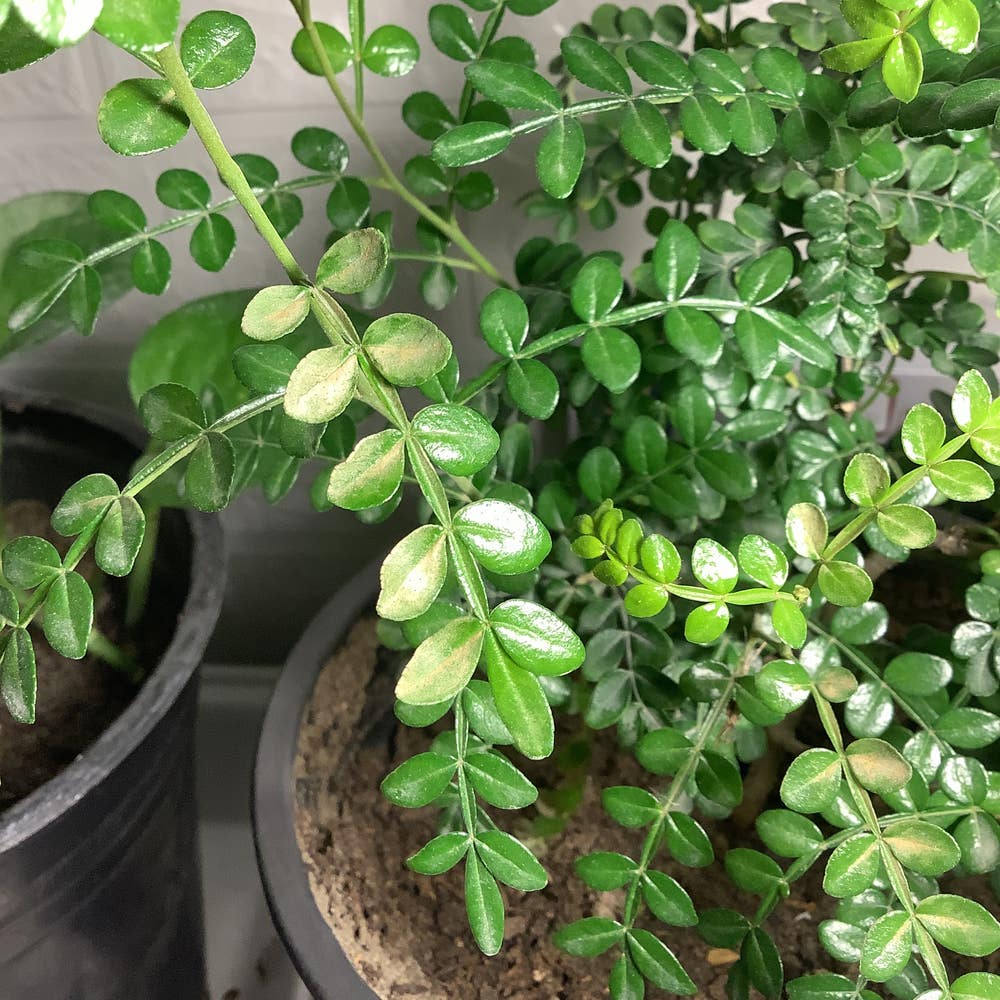
🍋 Wild Lime Growth: Height vs. Width
Zanthoxylum fagara
By the Greg Editorial Team
Sep 30, 2024•5 min read
This article was created with the help of AI so we can cover more plants for you. May contain errors. See one? Report it here.
- 🌳 Wild Lime grows 10-20 feet tall and 10-15 feet wide; size varies by conditions.
- ☀️ Full sun and well-drained soil are essential for optimal growth and health.
- ✂️ Pruning controls height and width, ensuring a perfect fit for your garden space.
Growth Rate and Time to Maturity
Mature Height and Width 🌳
Wild Lime typically reaches a mature height of 10 to 20 feet and a width of 10 to 15 feet. These dimensions can vary based on several factors.
Factors Influencing Mature Dimensions 🔍
The genetic predisposition of the plant plays a crucial role in its final size. Additionally, environmental conditions during growth, such as climate and care, significantly influence these dimensions.
Size Variability Based on Conditions 📏
Growing conditions can lead to notable size variability in Wild Lime.
Soil Type and Quality
The type and quality of soil directly affect height and width. Well-drained, fertile soils promote healthier growth compared to poor-quality soils.
Sunlight Exposure
Sunlight exposure is another critical factor. Wild Lime thrives in full sun, ideally receiving 6 to 8 hours of sunlight daily. Insufficient sunlight can stunt growth and reduce overall size.
Watering Practices
Consistent watering practices are essential for optimal growth. Regular moisture without waterlogging supports healthy development, while drought conditions can hinder size and growth rate.
Understanding these factors can help you cultivate Wild Lime effectively, ensuring it reaches its full potential. With the right care, you can enjoy a vibrant, flourishing plant that enhances your landscape.
Next, we’ll explore the environmental factors that further influence the size of Wild Lime.
Environmental Factors Affecting Size
🌱 Soil Type and Quality
Wild Lime thrives best in well-drained, fertile soils. The ideal soil pH ranges from slightly acidic to neutral (6.0-7.0), which supports optimal growth.
Poor soil quality can significantly hinder growth and size. Nutrient deficiencies or compacted soil can lead to stunted plants that fail to reach their full potential.
☀️ Sunlight Exposure
For maximum growth, Wild Lime requires full sun, ideally receiving 6-8 hours of sunlight daily. Insufficient sunlight can result in reduced height and width, affecting the plant's overall vigor.
Sunlight is crucial for the plant's health and growth rate. Without it, you may notice a lack of lush foliage and a weaker structure.
💧 Watering Practices
Regular moisture is essential for Wild Lime, but be cautious of waterlogging. Consistent watering helps maintain optimal growth, while drought conditions can stunt size and slow growth rates.
Establishing a balanced watering routine is key. This ensures your Wild Lime flourishes and reaches its mature dimensions without stress.
Understanding these environmental factors can significantly enhance your success with Wild Lime. Next, we’ll explore the various Wild Lime varieties and their unique characteristics.
Varieties of Wild Lime
🌱 Dwarf Varieties
Dwarf Wild Lime varieties are compact and charming, typically reaching heights of 3 to 6 feet and widths of 3 to 5 feet. Their smaller size makes them perfect for tight spaces, such as small gardens or container planting.
These varieties are ideal for landscaping where space is limited. They can serve as low hedges or accent plants, adding vibrant greenery without overwhelming the area.
🌳 Giant Varieties
On the other hand, giant Wild Lime varieties can tower between 15 to 25 feet tall and spread out to about 10 to 15 feet wide. Their impressive size makes them a striking focal point in larger landscapes.
When planting giant varieties, consider their expansive growth. Ensure they have ample space to thrive, allowing for their natural form and beauty to shine without crowding other plants.
Pruning and Size Control
Techniques for Controlling Height 🌳
Controlling the height of Wild Lime is essential for maintaining its shape and fit within your landscape.
- Topping: This method involves cutting back the main stem, which can effectively reduce overall height.
- Selective Pruning: Focus on trimming taller branches to encourage a more balanced growth pattern.
Techniques for Controlling Width 📏
Managing the width of your Wild Lime can enhance its aesthetic appeal and health.
- Thinning: This technique removes inner branches, allowing light to penetrate and promoting better air circulation.
- Shaping: Guide growth through strategic cuts, which helps maintain a desired width while encouraging a fuller appearance.
Best Times for Pruning ⏰
Timing your pruning efforts is crucial for effective size control.
- Recommended Pruning Times: Late winter to early spring is ideal, as this is before new growth begins.
- Importance of Timing: Proper timing ensures that your pruning efforts yield the best results, allowing the plant to thrive.
With these techniques in mind, you can effectively manage the size of your Wild Lime, ensuring it remains a vibrant and integral part of your landscape. Next, let’s explore how Wild Lime can be utilized in various landscape applications.
Landscape Applications
Use in Gardens and Landscapes 🌿
Wild Lime is a versatile choice for landscaping, often used as a hedge, specimen plant, or even in mixed borders. Its lush foliage and fragrant flowers add a tropical flair, making it a favorite among gardeners.
Incorporating Wild Lime into your garden design can enhance visual interest and attract pollinators. Its dense growth provides privacy and shelter, creating a serene outdoor space.
Size Considerations for Planting 📏
Understanding the mature dimensions of Wild Lime is crucial for effective placement. With a typical height of 10-20 feet and width of 10-15 feet, planning your garden layout around these dimensions ensures ample space for growth.
For optimal spacing, consider planting Wild Lime at least 5-10 feet apart. This allows for air circulation and prevents overcrowding, promoting healthier plants.
Compatibility with Other Plants 🌼
Wild Lime pairs well with various companion plants, enhancing the overall aesthetic of your garden. Consider planting it alongside flowering shrubs or perennials that thrive in similar conditions.
When selecting companions, keep in mind the height and width of Wild Lime. This ensures that all plants have enough room to flourish without competing for sunlight or nutrients.
As you plan your landscape, think about how Wild Lime can complement your existing plants and contribute to a harmonious garden environment.
⚠️ Safety First
This content is for general information and may contain errors, omissions, or outdated details. It is not medical, veterinary advice, or an endorsement of therapeutic claims.
Always consult a qualified healthcare professional before using any plant as food, medicine, or supplement.
Never eat any plant (or feed one to pets) without confirming its identity with at least two trusted sources.
If you suspect poisoning, call Poison Control (800) 222-1222, the Pet Poison Helpline (800) 213-6680, or your local emergency service immediately.
Spotted an error? Please report it here.
Unlock the full potential of your Wild Lime 🌱 with Greg's tailored care reminders and expert tips, ensuring it thrives beautifully in your garden!