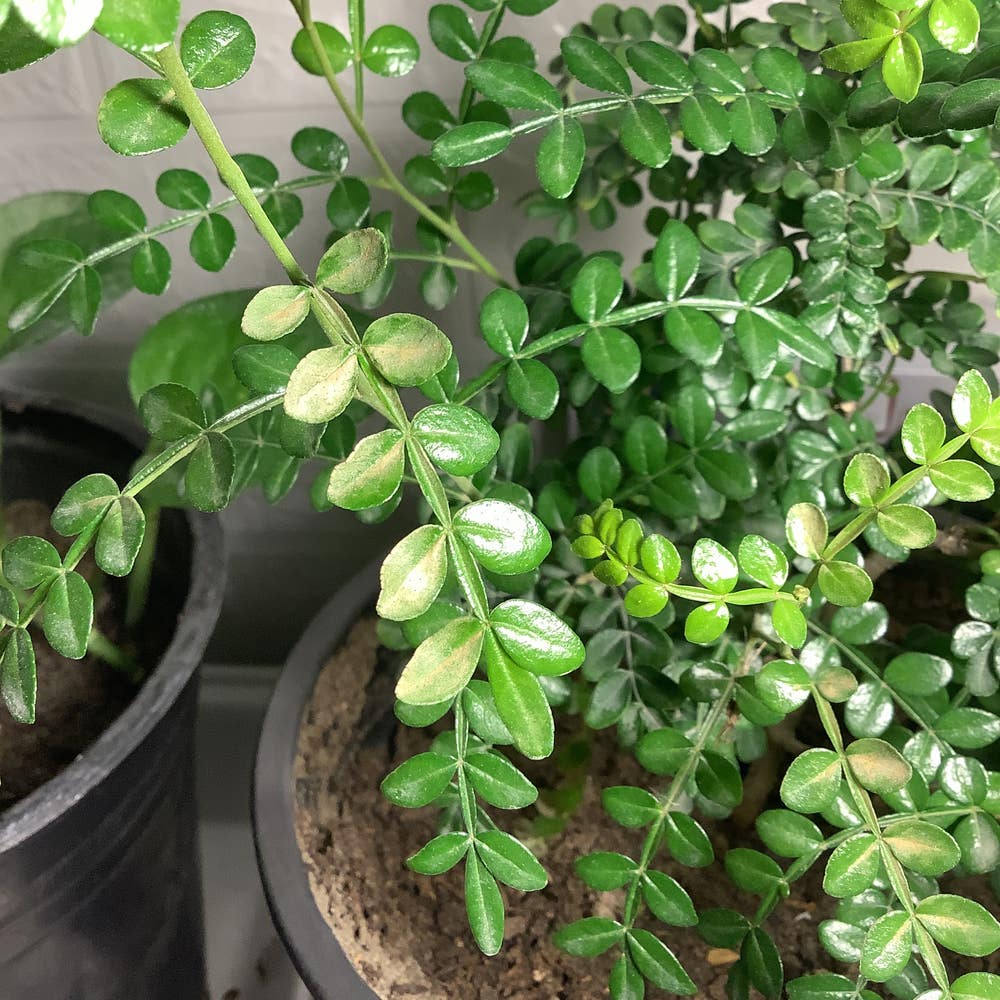
Ultimate Guide to Humidity for Wild Lime
Zanthoxylum fagara
By the Greg Editorial Team
Jul 21, 2024•5 min read
This article was created with the help of AI so we can cover more plants for you. May contain errors. See one? Report it here.
- 🌱 Specific humidity mimics Wild Lime's habitat for health and growth.
- 💧🌡️ Monitor and adjust humidity seasonally with tools like hygrometers.
- 🌀 Balance airflow and moisture to prevent mold and pests in Wild Lime.
Wild Lime Humidity Essentials
Wild Lime plants thrive in environments that mimic their native tropical habitats, where humidity plays a critical role in their overall health and growth.
🌴 Absolute vs. Relative Humidity
Understanding the difference between absolute and relative humidity is essential for Wild Lime plant care.
- Absolute Humidity is the measure of water vapor present in the air, quantified in grams per cubic meter. It represents the raw moisture content surrounding the plant.
- Relative Humidity (RH) is the percentage of water vapor in the air at a specific temperature relative to the maximum it can hold at that temperature. RH is particularly significant for plant care because it directly affects the plant's ability to transpire and absorb nutrients.
Wild Lime plants require careful attention to their surrounding humidity to ensure they can effectively transpire and uptake nutrients, which are vital processes for their growth and vitality.
Assessing Local Humidity
To ensure your Wild Lime is as comfortable in your home as it would be in its natural habitat, you'll need to become a bit of a humidity detective. Start by equipping yourself with a hygrometer, an indispensable tool that measures the moisture in the air with precision.
- Place the hygrometer in the same room as your Wild Lime, away from direct sunlight or drafts for accurate readings.
- Monitor the humidity at different times of the day to understand the daily fluctuation.
- Compare your indoor levels with the typical humidity of Wild Lime's native environment.
🌿 Seasonal Humidity Adaptation
As the seasons shift, so does the indoor humidity, and your Wild Lime care must pivot accordingly. Here's how to create a consistent indoor oasis throughout the year:
- In dry winter months, group plants together or use a pebble tray to naturally increase moisture.
- During humid summers, ensure good air circulation to prevent excess moisture from becoming a problem.
- Adjust your strategies as needed, keeping an eye on the hygrometer to maintain the ideal humidity range for your Wild Lime.
Increasing Humidity for Wild Lime
Wild Lime plants flourish in environments that mimic their native tropical humidity. Here's how to achieve that indoors.
🌴 Grouping Plants and Using Pebble Trays or Humidifiers
- Group Therapy: Place your Wild Lime alongside other plants that love humidity. This collective transpiration effectively raises the moisture level in the air, creating a microclimate that benefits all the plants involved.
- Pebble Tray Magic: A tray filled with pebbles and water beneath your Wild Lime's pot can be a simple fix. As the water evaporates, it increases the humidity around the plant, without the risk of overwatering.
- Humidifier Harmony: A humidifier can be a consistent source of moisture, especially during the drier months. Position it in the room but not too close to the plant to avoid excessive moisture on the leaves.
💦 Misting Wild Lime: Best Practices and Frequency
- Misting with Care: A light spritz can temporarily boost humidity. However, it's crucial to mist in moderation to prevent fungal growth. Think of it as a gentle morning dew, not a rain shower.
- Frequency and Timing: The best time to mist is in the morning, allowing leaves to dry throughout the day. Depending on your home's humidity, a schedule of 2-3 times a week should suffice.
🌿 Humidity-Boosting Tips
To safely increase humidity around your Wild Lime without going overboard, consider these tips:
- Monitor and Adjust: Keep an eye on the humidity levels with a hygrometer and adjust your methods accordingly.
- Water Wisely: Ensure your pebble tray's water level is consistent but not so high that the pot sits in water.
- Airflow Matters: While increasing humidity, maintain good air circulation to discourage any potential disease.
Managing Excess Humidity
Proper air circulation is key to preventing an overly humid environment for your Wild Lime plant. Stagnant air can create a breeding ground for mold and pests, which can harm your plant.
- Use a fan or open a window to keep the air moving.
- Ensure your plant isn’t crowded by others, allowing it to breathe and transpire effectively.
The right pot and soil are your allies in the fight against excess moisture. They work together to provide a quick escape route for water, preventing soggy conditions that can lead to root rot.
- Choose pots with ample drainage holes.
- Opt for a well-draining soil mix, incorporating materials like perlite or coarse sand.
🌬️ Reducing Humidity Safely
When humidity levels soar, it's important to bring them down without stressing your Wild Lime. Here are some techniques to safely reduce humidity:
- Move your plant to a drier area of your home if you notice signs of excessive moisture, like condensation or a musty smell.
- Consider investing in a dehumidifier to efficiently lower the humidity around your plant, especially during wet seasons or in naturally humid climates.
Maintaining Ideal Humidity
Maintaining the right humidity levels is pivotal for the health of your Wild Lime plant, as it directly impacts vital functions like transpiration and nutrient uptake.
- Use a hygrometer to keep tabs on the humidity levels around your plant.
- Aim to replicate the Wild Lime's native tropical environment, with humidity that's neither too low nor too high.
Creating a stable humidity environment requires regular monitoring and adjustments. Here's how to stay on top of it:
- Group your Wild Lime with other plants to create a beneficial microclimate.
- Employ pebble trays or humidifiers to gently boost humidity without overwhelming your plant.
- Ensure good air circulation to prevent excessive moisture and potential fungal issues.
Remember, your Wild Lime doesn't just live in your home—it thrives when the conditions mimic its natural habitat. Regularly check and tweak the humidity to keep your green companion in top shape.
⚠️ Safety First
This content is for general information and may contain errors, omissions, or outdated details. It is not medical, veterinary advice, or an endorsement of therapeutic claims.
Always consult a qualified healthcare professional before using any plant as food, medicine, or supplement.
Never eat any plant (or feed one to pets) without confirming its identity with at least two trusted sources.
If you suspect poisoning, call Poison Control (800) 222-1222, the Pet Poison Helpline (800) 213-6680, or your local emergency service immediately.
Spotted an error? Please report it here.
Keep your Wild Lime lush with Greg's custom reminders to adjust humidity 🌿 as the seasons change, mimicking their tropical paradise with ease!