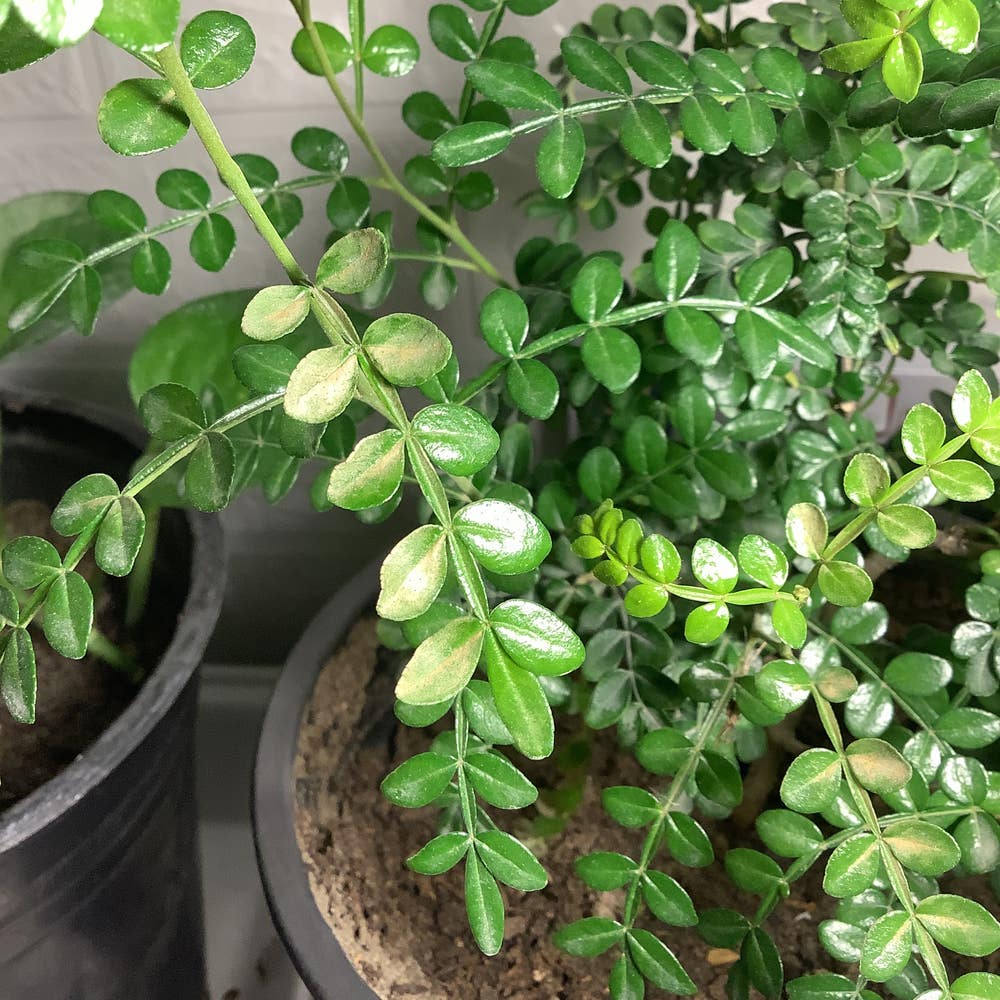
🍈 Wild Lime Roots 101
Zanthoxylum fagara
By the Greg Editorial Team
Sep 30, 2024•5 min read
This article was created with the help of AI so we can cover more plants for you. May contain errors. See one? Report it here.
- 🌱 Wild lime roots reach depths of 3-6 feet, ensuring stability and water access.
- 💧 Water every 1-2 weeks; deep taproots provide moisture even in dry spells.
- ⚠️ Inspect roots regularly to prevent issues like root rot and stunted growth.
Type of Root System
🌱 Taproot Characteristics
Wild lime plants feature a robust taproot system. This deep anchoring allows them to access water sources that are often out of reach for other plants.
The stability provided by the taproot is crucial for supporting the plant, especially in windy conditions. A well-established taproot can make all the difference in a plant's resilience.
🌿 Fibrous Roots
In addition to the taproot, wild lime plants develop fibrous roots that spread widely near the surface. This network enhances nutrient absorption, ensuring the plant gets the essential elements it needs to thrive.
Fibrous roots also play a vital role in soil aeration and erosion prevention. By spreading out, they help maintain soil structure and health, contributing to a balanced ecosystem.
Understanding these root systems is essential for anyone looking to cultivate healthy wild lime plants. With the right care, these roots can flourish, leading to a thriving plant.
Next, we’ll explore the typical root depth, spread, and growth patterns of wild lime plants.
Root Depth, Spread, and Growth Patterns
🌱 Typical Root Depth and Spread
Wild lime roots are impressive, typically reaching a depth of 3 to 6 feet (0.9 to 1.8 meters). They can spread horizontally up to 10 feet (3 meters), allowing the plant to access vital nutrients and water.
📈 Growth Patterns
These roots are most active during the rainy season, thriving in moist conditions. However, their growth can fluctuate with seasonal changes in temperature and moisture, adapting to the environment around them.
Understanding these patterns is essential for anyone looking to cultivate healthy wild lime plants. With the right care, you can ensure robust root systems that support vibrant growth.
Next, let’s explore how to effectively water, fertilize, and transplant these resilient plants.
Watering, Fertilizing, and Transplanting
💧 Watering Needs
Wild Lime plants thrive with a deep taproot, which allows them to access moisture from deeper soil layers. This means you can water less frequently, typically every 1-2 weeks, depending on your climate.
🌱 Fertilization Techniques
To support robust root growth, opt for slow-release fertilizers. A balanced NPK ratio of 10-10-10 is recommended to provide essential nutrients without overwhelming the plant.
🌿 Best Practices for Transplanting
Transplanting requires careful timing and technique to ensure the health of your Wild Lime.
- Timing: Aim to transplant during the dormant season, ideally from late fall to early spring.
- Preparation: Water the plant thoroughly before you begin the transplanting process.
- Technique: Minimize root disturbance by keeping the root ball intact during the move.
By following these guidelines, you can help your Wild Lime flourish in its new environment. Next, let’s explore common root-related issues and how to tackle them effectively.
Common Root-Related Issues
🦠 Identifying Root Rot and Other Diseases
Root rot can sneak up on you, manifesting through wilting and yellowing leaves. If you catch a foul odor wafting from the soil, it’s a clear sign that something's amiss.
🛡️ Preventative Measures
To keep your Wild Lime healthy, ensure it has well-draining soil. Regularly inspecting the roots during repotting can help catch issues before they escalate.
⚙️ Solutions for Common Problems
If you discover root rot, act quickly: remove the affected roots and repot the plant in fresh soil. For persistent fungal issues, using fungicides can help restore your plant's health.
By staying vigilant and proactive, you can maintain a thriving root system, setting the stage for a robust Wild Lime. Next, let’s explore how to differentiate between healthy and unhealthy roots.
Healthy vs. Unhealthy Roots
👀 Visual Cues for Healthy Roots
Healthy roots are a sight to behold. Look for firm, white or light tan roots that show no signs of decay.
🚫 Signs of Unhealthy Roots
In contrast, unhealthy roots tell a different story. Dark, mushy roots indicate rot, while stunted growth and yellowing leaves often follow as secondary symptoms.
Understanding these visual cues is crucial for maintaining the vitality of your Wild Lime plant. By recognizing the signs early, you can take action to ensure your plant thrives.
Rootbound Plants
Definition and Symptoms 🌱
Rootbound plants occur when roots grow in circles, completely filling their pot. This condition often leads to stunted growth and can cause water to pool on the surface, indicating that the roots are unable to absorb moisture effectively.
When to Address Rootbound Issues ⏰
Keep an eye out for reduced growth rates and challenges in watering. If you notice these signs, it’s time to consider repotting, especially when the roots have filled the container.
Steps to Remedy Rootbound Plants 🛠️
- Remove the plant from the pot carefully. This minimizes stress on the roots.
- Trim any circling roots. This encourages new growth and helps the plant adapt to its new space.
- Repot in a larger container with fresh soil. This gives the roots room to expand and thrive.
Addressing rootbound issues promptly can rejuvenate your Wild Lime plant, ensuring it continues to flourish. Next, let’s explore the importance of root health in propagation.
Importance of Root Health in Propagation
🌱 Techniques for Maintaining Root Health
Maintaining root health is crucial for successful propagation. Always use clean, sharp tools to minimize damage during cutting; this simple step can make a world of difference.
Additionally, ensure adequate moisture levels in the propagation medium. Roots thrive in a balanced environment, so keep the medium consistently moist but not soggy.
✂️ Best Practices for Dividing
Dividing plants can rejuvenate them and promote healthy growth. Timing is key: always divide during the dormant season for the best results.
When dividing, ensure each section has a portion of the root system. This practice supports the new plant's establishment and growth.
After division, provide thorough watering and some shade until the plants are well-established. This extra care helps them adjust and flourish in their new environment.
Understanding these techniques and practices will empower you to propagate Wild Lime effectively. Healthy roots lead to thriving plants, setting the stage for a vibrant garden.
Next, let’s explore how to identify and address common root-related issues.
⚠️ Safety First
This content is for general information and may contain errors, omissions, or outdated details. It is not medical, veterinary advice, or an endorsement of therapeutic claims.
Always consult a qualified healthcare professional before using any plant as food, medicine, or supplement.
Never eat any plant (or feed one to pets) without confirming its identity with at least two trusted sources.
If you suspect poisoning, call Poison Control (800) 222-1222, the Pet Poison Helpline (800) 213-6680, or your local emergency service immediately.
Spotted an error? Please report it here.
Unlock the secrets of wild lime root health and cultivate thriving plants 🌿 with Greg's tailored watering reminders and expert care tips that keep your garden flourishing!