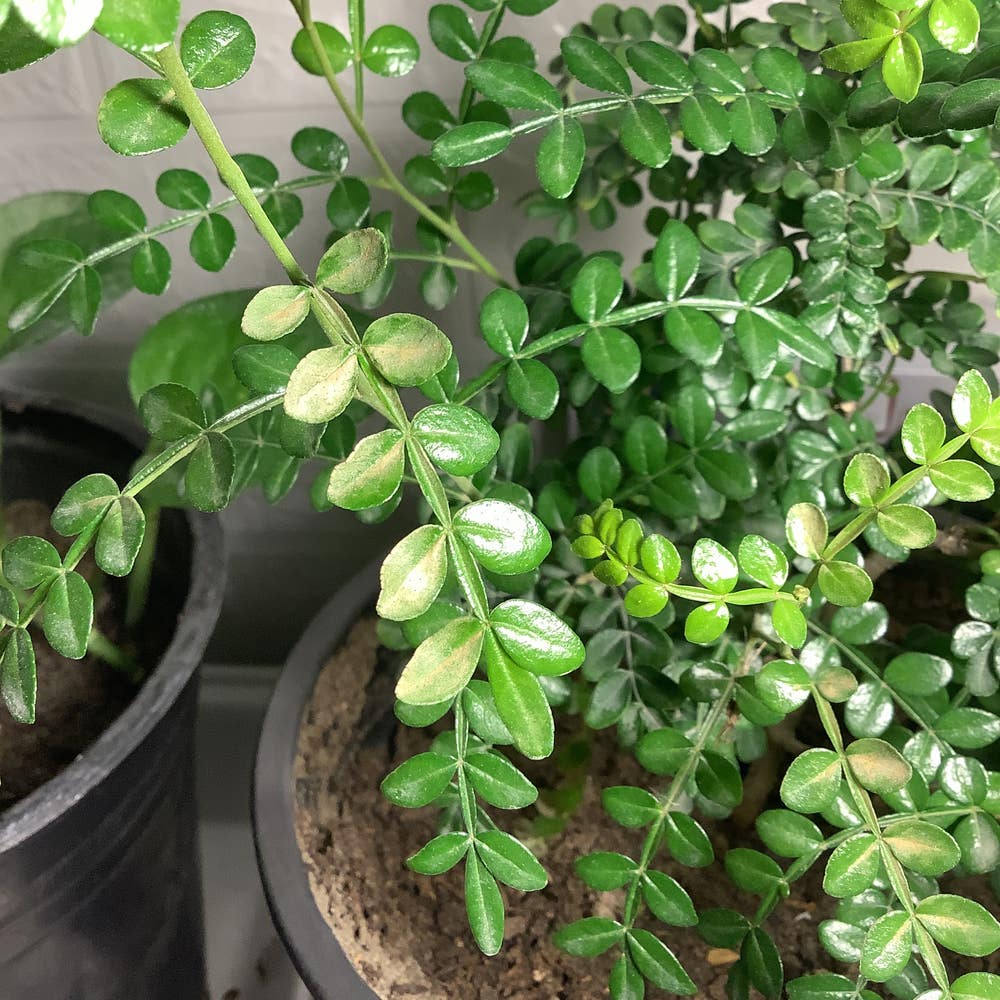
Diagnosing Wild Lime Root Rot
Zanthoxylum fagara
By the Greg Editorial Team
Feb 07, 2024•3 min read
This article was created with the help of AI so we can cover more plants for you. May contain errors. See one? Report it here.
- 🍂 Yellow leaves and wilting signal Wild Lime root rot.
- 🚿 Overwatering and poor drainage are root rot culprits.
- 🌱 Use sterile, well-draining soil and sanitized pots for prevention.
Spotting the Trouble: Recognizing Root Rot in Wild Lime
🚩 Visual Red Flags
Yellowing leaves, wilting, and stunted growth are the alarm bells for root rot in Wild Lime. These symptoms suggest your plant is more than just under the weather—it's in the throes of a root crisis.
Beyond the Surface
To truly diagnose root rot, you'll need to get your hands dirty. Healthy roots are firm and white, while rotten roots are soft and brown, resembling overcooked noodles. If the roots feel mushy, it's time for some serious plant triage.
Unearthing the Causes: What's Behind Wild Lime Root Rot?
💧 Water Woes
Overzealous watering habits can drown your Wild Lime's roots. It's not the water itself that's evil, but the constant wetness that invites trouble. Roots need to breathe, and without that space, they're gasping for air in a soggy grave.
Poor drainage is another villain in this soggy saga. If water lingers like an awkward guest, roots become susceptible to rot. Think of good drainage as the bouncer that keeps the unwanted moisture out.
🍄 Fungal Foes
Pathogens love a good root rot party, and Wild Lime roots are often on their hit list. Fungi like Phytophthora are the usual suspects, thriving in waterlogged conditions and turning robust roots into mush.
To spot these fungal foes, you'll need to play detective. Look for soft, brown roots—a stark contrast to the firm, white healthy ones. It's a silent battle below the surface, but the signs are there if you're looking.
The Rescue Mission: Treating Root Rot in Wild Lime
💧 Drying Out the Danger Zone
First things first: watering habits need a complete overhaul. Wild Lime trees like their soil on the dry side, so hold off on the H2O until the top inch feels like a desert. It's a simple switch that can mean life or death for your plant. Overzealous watering is often the culprit behind root rot, turning your green oasis into a soggy nightmare.
🏥 Surgical Strikes
Once you've cut back on the water, it's time for some root rehab. Don those gloves and get ready to play surgeon. Gently remove your Wild Lime from its pot and shake off the excess soil to expose the roots. Healthy roots are firm and white, while the rotted ones are brown and mushy. With sterilized shears, snip off the rotted parts until you're left with nothing but healthy tissue.
Now, let's talk fungicide. This is your plant's new best friend. But don't just splash it on willy-nilly. Mix according to the product's guidelines and apply it with the precision of a sniper. Rotate fungicides with different active ingredients to prevent resistance, and remember: cleanliness is next to godliness, so sterilize your tools to avoid spreading the fungal spores.
Rebuilding Strong Foundations: Soil and Care Post-Treatment
🌱 Fresh Start with Soil
After tackling root rot, sterile soil is your plant's new best friend. Toss out the old, infected dirt and fill the pot with a mix that's like a breath of fresh air for your Wild Lime's roots. Well-draining is the keyword here; think perlite or pumice to keep things light and airy.
🏡 Potting Practices
Choosing the right pot is like picking a good house for yourself—drainage is crucial. Go for pots with holes that laugh in the face of excess water. Terracotta is a solid choice; it's like the breathable cotton of the plant world. And remember, cleanliness is next to godliness—sanitize those pots, especially if they're not brand new.
⚠️ Safety First
This content is for general information and may contain errors, omissions, or outdated details. It is not medical, veterinary advice, or an endorsement of therapeutic claims.
Always consult a qualified healthcare professional before using any plant as food, medicine, or supplement.
Never eat any plant (or feed one to pets) without confirming its identity with at least two trusted sources.
If you suspect poisoning, call Poison Control (800) 222-1222, the Pet Poison Helpline (800) 213-6680, or your local emergency service immediately.
Spotted an error? Please report it here.
Avoid wild lime root rot and keep your plant's leaves vibrant 🍃 with Greg's custom watering plans and reminders for optimal soil moisture and health.