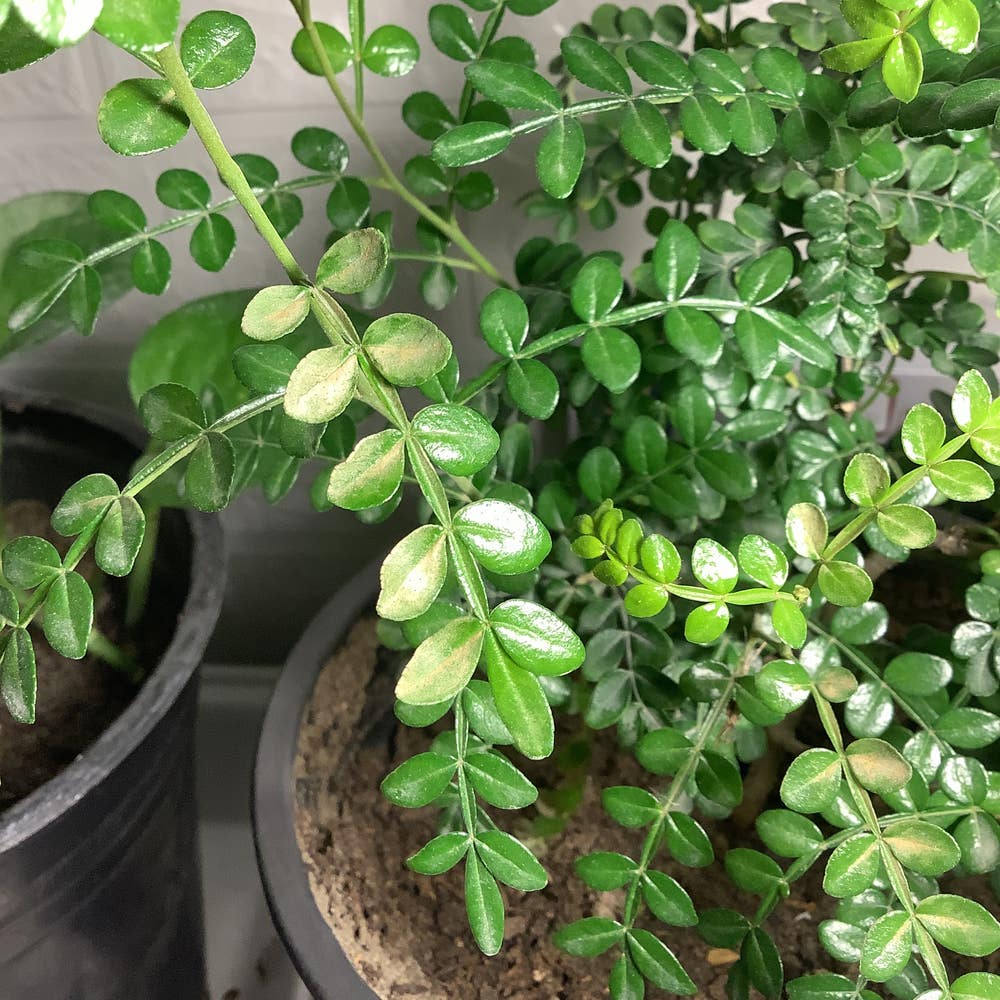
💧 What Is The Best Way To Water a Wild Lime?
Zanthoxylum fagara
By the Greg Editorial Team
Feb 07, 2024•4 min read
This article was created with the help of AI so we can cover more plants for you. May contain errors. See one? Report it here.
- Seasonal and growth stage watering is key for wild lime health.
- Observe leaves and soil to gauge your wild lime's water needs.
- Deep watering and mulching benefit wild lime's root system and moisture retention.
When to Water Your Wild Lime
💧 Seasonal Watering Wisdom: Tailoring your routine for summer versus winter.
Summer brings on the heat and with it, a thirstier wild lime. Crank up the watering frequency to match the plant's natural growth spurt during these months. As the mercury dips in winter, so should your watering can's workload. The cooler temps mean your wild lime is less thirsty, so let the soil dry out more between waterings.
🌱 Growth Stage Guidelines: Adjusting water based on your wild lime's life cycle.
Young wild lime trees are like needy toddlers, requiring consistent moisture to support their rapid growth. Water them at least twice a week. Mature trees, however, are more like self-sufficient teens, able to withstand a bit more neglect. They'll do fine with less frequent watering, as long as you give them a deep drink when you do.
🌧 Weather Watch: Adapting to rain and drought conditions.
Keep a weather eye out. If rain is playing its part well, you can ease up on the watering duties. During a drought, though, it's all hands on deck. Increase watering to compensate for the dry spell, but don't drown the poor thing in your enthusiasm to help. Remember, wild lime prefers to dry out between showers.
How to Tell Your Wild Lime is Thirsty (or Drowned)
🚰 Spotting the Signs: Identifying thirst and waterlogging in wild lime.
Your wild lime won't send you a text when it's in trouble, so vigilance is key. Yellow leaves might signal overwatering, while a wrinkled appearance screams dehydration. Wilting is the plant's cry for help; it could be dying of thirst or suffering from soggy feet.
🌱 Soil Sleuthing: Using texture and color as clues for moisture levels.
Get up close and personal with the soil. If it feels like a desert, your wild lime is parched. But if it's more akin to a swamp, you've overdone it. Aim for soil that feels like a well-squeezed sponge—moist, not drenched.
🍃 Leaf Language: Reading the leaves for water needs.
Leaves can be tattletales when it comes to water distress. Droopy leaves may indicate too much or too little water, while a crispy texture points to under-watering. On the flip side, leaves that feel like a soft tomato suggest overwatering. Keep an eye out for these telltale signs to maintain a happy wild lime.
Watering Techniques Tailored for Wild Lime
💧 Deep Drink vs. Frequent Sips: Pros and Cons for Wild Lime Vitality
Deep watering encourages your wild lime to develop a robust root system, tapping into that sweet underground moisture. It's like setting up a trust fund for your plant's roots. On the other hand, frequent light watering can make your wild lime a surface sipper, with shallow roots that make it a diva during dry spells. Aim for a thorough soak when the top inch of soil feels like a dry martini—crisp and parched.
🎯 Root Zone Watering: Why Focusing on the Base Matters
Water at the base of your wild lime to avoid unnecessary drama like leaf mold or mildew. It's like targeting the roots of your thirst—effective and efficient. This method ensures that the water goes where it counts, encouraging deep root growth and reducing evaporation losses.
🌿 Mulching Magic: How Mulch Can Be Your Ally in Moisture Management
Mulch is the unsung hero in the wild lime watering saga. It's your plant's personal bodyguard against soil moisture evaporation. A layer of mulch acts like a cozy blanket, keeping the soil temperature stable and the moisture locked in. Plus, it's a great way to keep those pesky weeds at bay, which means less competition for water and nutrients.
Tools and Tricks for Watering Precision
💧 Moisture Meters and More: High-tech and low-tech ways to measure soil moisture.
For the tech-savvy gardener, moisture meters are akin to a hydration oracle for your wild lime. These gadgets provide real-time soil moisture levels, ensuring you water with precision. Just plunge the probe into the earth and let the digital display guide your watering hand. No meter? No sweat. The classic finger test, where you feel the soil an inch down, remains a reliable barometer for your plant's thirst.
🛠 DIY Tips: Simple strategies for ensuring even watering.
Beyond gadgets, there are low-tech, effective strategies to maintain even soil moisture. Try the paper towel trick—press it against the soil and look for a moisture imprint. Or, push a bamboo stick down into the dirt; a dry stick means your wild lime is ready for a drink. Remember, consistency is crucial, but don't get locked into a rigid schedule. Keep your eyes open and adjust to your plant's needs, because when it comes to watering, one size does not fit all.
⚠️ Safety First
This content is for general information and may contain errors, omissions, or outdated details. It is not medical, veterinary advice, or an endorsement of therapeutic claims.
Always consult a qualified healthcare professional before using any plant as food, medicine, or supplement.
Never eat any plant (or feed one to pets) without confirming its identity with at least two trusted sources.
If you suspect poisoning, call Poison Control (800) 222-1222, the Pet Poison Helpline (800) 213-6680, or your local emergency service immediately.
Spotted an error? Please report it here.
Nurture your wild lime to perfection 🍋 with Greg's tailored watering reminders, ensuring it thrives through seasons and storms.