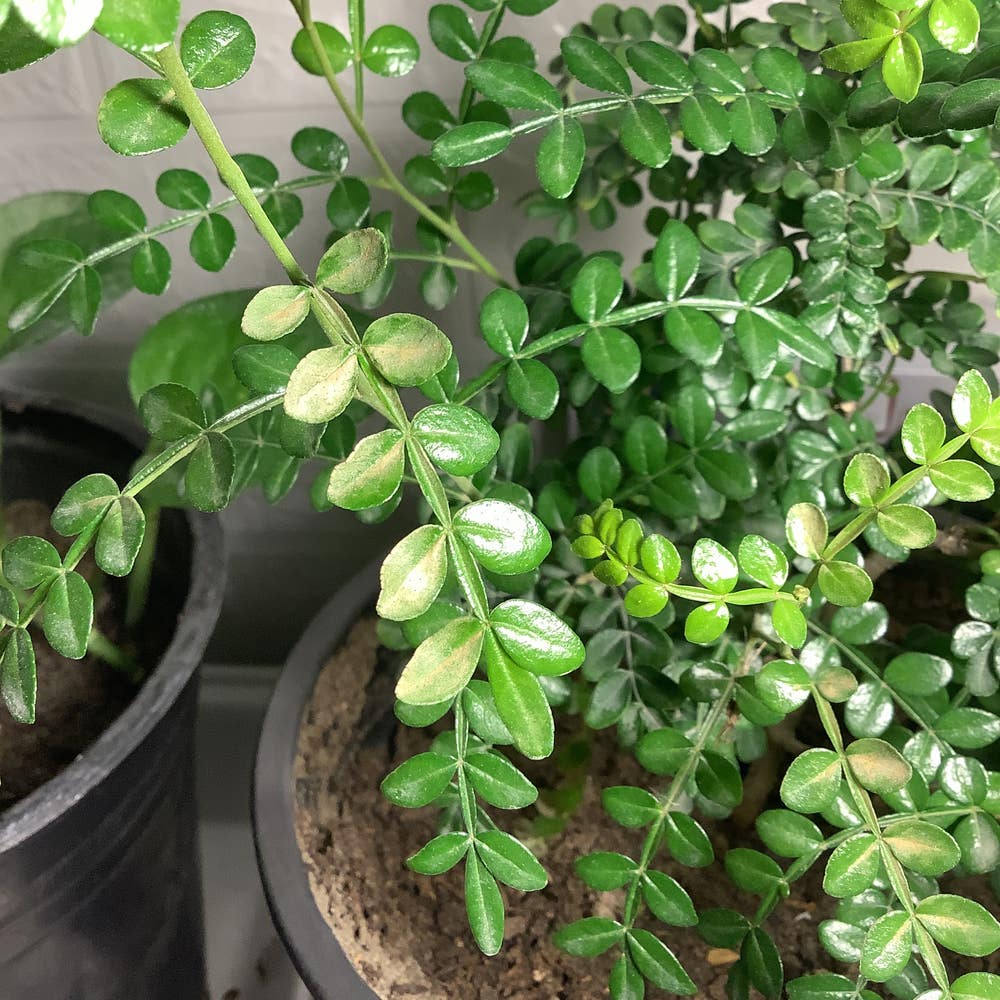
🌼 Wild Lime Buds Won't Open
Zanthoxylum fagara
By the Greg Editorial Team
Sep 30, 2024•3 min read
This article was created with the help of AI so we can cover more plants for you. May contain errors. See one? Report it here.
- 🌞 Wild Lime needs full sun for optimal blooming; insufficient light stunts growth.
- 🌱 Nutrient-rich, well-drained soil is essential for healthy flowering in Wild Lime.
- 💧 Avoid overwatering to prevent root rot, which negatively impacts flower production.
Flowering Problems in Wild Lime
🌸 Failure to Bloom
Causes
Insufficient Light
Wild Lime plants thrive on adequate sunlight, which is crucial for blooming. If your plant is showing stunted growth or sparse foliage, it might not be getting enough light.
Poor Soil Conditions
Well-drained soil is essential for healthy flowering. Compacted or nutrient-poor soil can severely hinder your plant's ability to produce blooms.
Nutritional Deficiencies
Key nutrients like nitrogen, phosphorus, and potassium are vital for blooming. Symptoms of deficiencies include yellowing leaves and poor flower development.
💡 Solutions
Adjusting Light Exposure
Aim for full sun to partial shade for optimal growth. You can increase light exposure by relocating the plant or trimming any surrounding foliage that blocks sunlight.
Soil Amendments
Consider adding compost, perlite, or peat moss to improve soil quality. Start by testing the pH and aerating the soil to create a better environment for your Wild Lime.
Fertilization
Use balanced NPK fertilizers to support blooming. Fertilize during active growth periods for the best results.
🌼 Premature Flower Drop
Causes
Environmental Stress
Drought and extreme temperatures can stress your Wild Lime, leading to premature flower drop. Look for signs like wilting leaves and a reduced flower count.
Overwatering
Overwatering can cause yellowing leaves and root rot. Ensuring proper drainage is crucial to prevent these issues.
Pest Infestations
Common pests like aphids and spider mites can wreak havoc on your plant. Signs of infestation include sticky residue and webbing on leaves.
🚿 Solutions
Proper Watering Techniques
Allow the soil to dry between waterings to maintain healthy moisture levels. Use the finger test or a moisture meter to check soil moisture accurately.
Pest Management Strategies
Implement organic control methods such as neem oil or insecticidal soap. Regular inspections and early intervention are key to managing pests effectively.
🌱 Abnormal Flower Development
Causes
Genetic Factors
The genetics of your Wild Lime can affect its blooming variability. Selecting healthy specimens for propagation is essential for consistent results.
Nutrient Imbalances
Excess nutrients can negatively impact flower quality. Look for signs like distorted flowers and poor color to identify imbalances.
Improper Pruning
Cutting too late or too aggressively can hinder flower development. Understanding proper pruning techniques is vital for encouraging blooms.
🔍 Solutions
Identifying and Correcting Nutrient Deficiencies
Conduct soil testing to determine nutrient levels. Targeted fertilization can help correct any deficiencies you find.
Proper Pruning Techniques
Follow best practices for pruning, including timing and tool selection. Selective pruning can significantly enhance blooming potential.
☀️ Impact of Light on Flowering
Optimal Light Conditions
Importance of Sunlight for Blooming
Sunlight plays a crucial role in photosynthesis and flower production. For Wild Lime, full sun exposure is generally recommended.
Effects of Too Much or Too Little Light
Excessive light can lead to leaf scorch and faded colors, while insufficient light results in leggy growth and reduced flowering.
🌿 Nutritional Factors Affecting Flowering
Essential Nutrients for Blooming
Key Nutrients for Flower Development
Nitrogen promotes foliage growth, phosphorus is essential for flower and root development, and potassium enhances overall plant health.
Signs of Nutrient Deficiencies
Visual indicators like leaf discoloration and poor flower formation can signal nutrient deficiencies.
🌾 Fertilization Techniques
Best Practices for Fertilizing Wild Lime
Fertilize in early spring and mid-summer using granular or liquid fertilizers. Always follow package instructions for dosage to avoid over-fertilization.
With these insights, you can tackle flowering problems in Wild Lime effectively. Next, we’ll explore the impact of light on flowering to further enhance your gardening success.
⚠️ Safety First
This content is for general information and may contain errors, omissions, or outdated details. It is not medical, veterinary advice, or an endorsement of therapeutic claims.
Always consult a qualified healthcare professional before using any plant as food, medicine, or supplement.
Never eat any plant (or feed one to pets) without confirming its identity with at least two trusted sources.
If you suspect poisoning, call Poison Control (800) 222-1222, the Pet Poison Helpline (800) 213-6680, or your local emergency service immediately.
Spotted an error? Please report it here.
Unlock your Wild Lime's blooming potential 🌼 with Greg's tailored care reminders for sunlight, nutrients, and watering, ensuring your plant thrives beautifully!