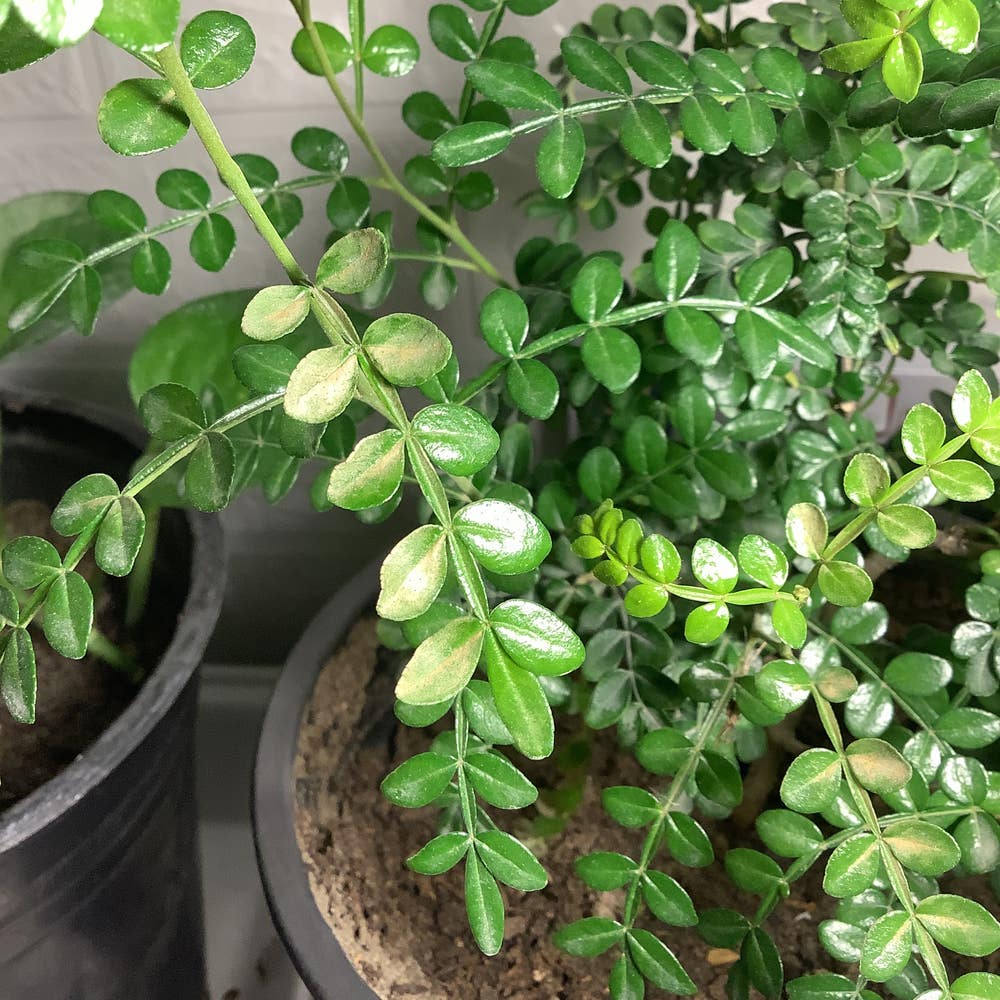
Why Wild Lime Is Not an Annual 🍋
Zanthoxylum fagara
By the Greg Editorial Team
Sep 30, 2024•5 min read
This article was created with the help of AI so we can cover more plants for you. May contain errors. See one? Report it here.
- 🌱 Wild Lime is a perennial, thriving year-round unlike short-lived annuals.
- 🌼 It blooms multiple times annually, ensuring continuous beauty and attracting pollinators.
- 🌍 Geographic variations affect growth, with tropical climates supporting its long-term survival.
Wild Lime's Perennial Nature
🌱 Genetic and Physiological Characteristics
Wild Lime is uniquely adapted for long-term survival in warm climates. Its genetic makeup allows it to thrive in conditions that would challenge many other plants, ensuring it can endure heat and drought.
This plant exhibits the remarkable ability to produce new growth year-round. Unlike annuals, which complete their lifecycle in a single season, Wild Lime continues to flourish, showcasing its resilience and adaptability.
🔄 Lifecycle and Growth Patterns
Wild Lime undergoes multi-year growth cycles, often entering a state of seasonal dormancy. This dormancy is a strategic response to environmental changes, allowing the plant to conserve energy and resources.
The plant engages in continuous growth and flowering cycles, providing a steady display of blooms. Its environmental adaptations enable it to thrive in warm climates, making it a reliable choice for gardens in those regions.
🌼 Reproductive Strategies
One of Wild Lime's standout features is its seed viability over extended periods. This characteristic ensures that even in less-than-ideal conditions, the seeds can remain dormant and still germinate when the environment becomes favorable.
Wild Lime employs both self-pollination and cross-pollination strategies to maximize its reproductive success. Compared to annuals, which often have a limited flowering phase, Wild Lime's reproductive strategies enhance its longevity and adaptability in various environments.
This combination of traits solidifies Wild Lime's status as a perennial, setting it apart from the fleeting nature of annual plants. As we explore further, we'll delve into how these characteristics influence its lifecycle compared to true annuals.
Comparative Analysis
Lifecycle Differences from True Annuals 🌱
Wild Lime boasts a lifecycle that spans several years, unlike true annuals, which complete their lifecycle in a single season. This longevity allows Wild Lime to enter periods of dormancy, conserving energy and resources, while annuals rush to finish their life cycle.
In contrast to the rapid lifecycle of annuals, Wild Lime engages in continuous seed production throughout its lifespan. This means that while annuals produce seeds at the end of their life, Wild Lime keeps the cycle going, ensuring a steady supply of seeds year after year.
Growth, Flowering, and Seed Production 🌼
One of the standout features of Wild Lime is its ability to bloom multiple times throughout the year. This continuous flowering not only adds beauty to gardens but also attracts pollinators consistently.
When it comes to seed production, Wild Lime differs significantly from annuals. The timing and quantity of seeds produced are more spread out, contributing to the plant's overall health and productivity. This extended flowering and seed production cycle enhances the plant's resilience and adaptability, making it a valuable addition to any garden.
In summary, understanding these lifecycle and growth differences highlights why Wild Lime is not just another plant but a perennial powerhouse. Next, we’ll explore the regional variations that can lead to misconceptions about its classification.
Regional Variations
🌡️ Conditions Leading to Misclassification
Wild Lime often faces survival challenges in cooler climates. These conditions can lead to misconceptions about its classification as an annual, when in fact, it thrives as a perennial.
Temperature fluctuations and frost can significantly influence its seasonal growth patterns. Many gardeners mistakenly believe that if a plant struggles in their region, it must be an annual, overlooking its true perennial nature.
🌍 Geographic Growth Pattern Exceptions
The growth and survival of Wild Lime vary dramatically between tropical and temperate regions. In tropical areas, it flourishes year-round, while in temperate zones, it may exhibit more pronounced dormancy.
Local conditions play a crucial role in shaping its perennial behavior. Understanding these adaptations can help gardeners appreciate the resilience of Wild Lime and its ability to thrive in diverse environments.
As we explore the implications of incorporating Wild Lime into garden design, it’s essential to recognize how these regional variations can influence your gardening choices.
Garden Design Implications
Advantages of Incorporating Wild Lime 🌿
Incorporating Wild Lime into your garden design offers several benefits. First, perennials like Wild Lime are cost-effective, providing long-term value as they return year after year.
Additionally, they offer year-round greenery and seasonal blooms, enhancing the garden's aesthetic appeal. This vibrant foliage not only beautifies your space but also supports local wildlife and pollinators, creating a thriving ecosystem.
Strategies for Planting and Design 🌱
When planning your garden, consider companion planting to maximize the benefits of Wild Lime. Pair it with plants that thrive in similar conditions, such as herbs or other perennials, to create a harmonious environment.
Optimal spacing is crucial for healthy growth. Ensure that Wild Lime has enough room to flourish without overcrowding, allowing for air circulation and sunlight penetration.
Adjusting care practices based on growth cycles is also essential. Be mindful of the plant's seasonal dormancy and growth phases, tailoring your watering and fertilization accordingly to promote robust health and productivity.
By thoughtfully integrating Wild Lime into your garden, you can enjoy its many advantages while fostering a vibrant, sustainable landscape.
Management Tips
Best Practices for Managing Wild Lime 🌱
To keep your Wild Lime thriving, consistent moisture is key. However, be careful not to overwater; soggy roots can lead to rot.
Nutrient needs vary throughout the growing season. Regularly feed your plant with a balanced fertilizer to support its growth and flowering.
Encouraging healthy growth and abundant blooms requires attention. Pruning dead or damaged branches can stimulate new growth and enhance flowering.
Maximizing Longevity and Health 🛡️
Preventative measures are crucial for pest and disease management. Regularly inspect your plant for signs of trouble and act quickly to address any issues.
Preparing for dormancy is essential for regrowth. As temperatures drop, reduce watering and allow your Wild Lime to rest.
Conduct regular assessments to ensure optimal health and productivity. Observing your plant closely will help you catch any potential problems early, ensuring a vibrant display year after year.
With these management tips, your Wild Lime can flourish, bringing beauty and resilience to your garden. Next, let’s explore the advantages of incorporating Wild Lime into your garden design.
⚠️ Safety First
This content is for general information and may contain errors, omissions, or outdated details. It is not medical, veterinary advice, or an endorsement of therapeutic claims.
Always consult a qualified healthcare professional before using any plant as food, medicine, or supplement.
Never eat any plant (or feed one to pets) without confirming its identity with at least two trusted sources.
If you suspect poisoning, call Poison Control (800) 222-1222, the Pet Poison Helpline (800) 213-6680, or your local emergency service immediately.
Spotted an error? Please report it here.
Unlock the secrets of Wild Lime's perennial power 🌿 with Greg's tailored care tips and reminders, ensuring your plant flourishes through every season!