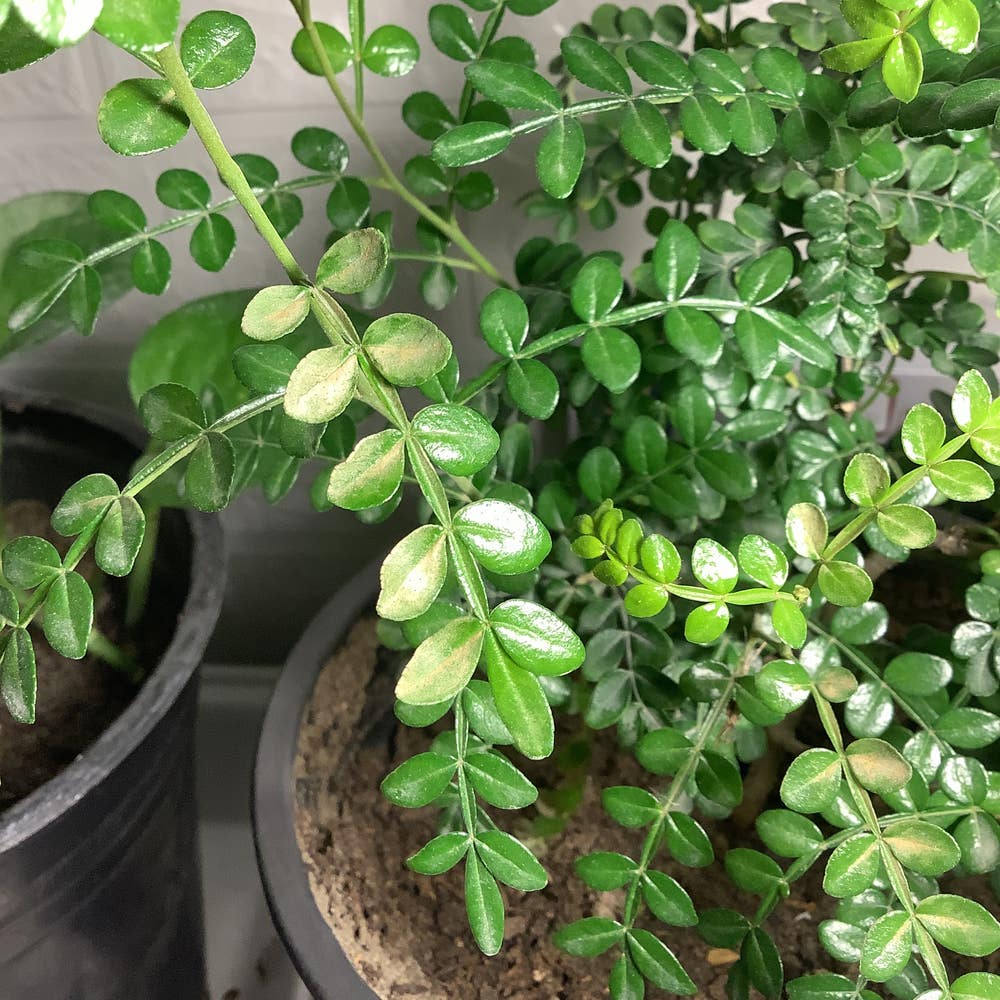
Why Are There Black Spots on My Wild Lime Leaves?
Zanthoxylum fagara
By the Greg Editorial Team
Jun 18, 2024•4 min read
This article was created with the help of AI so we can cover more plants for you. May contain errors. See one? Report it here.
- Fungal and bacterial diseases often cause black spots on Wild Lime leaves.
- Environmental factors and pests also contribute to black spot development.
- Treatment and prevention include fungicides, bactericides, and strategic pruning.
Spotting the Trouble: Recognizing Black Spots
🕵️ Visual Cues
Black spots on Wild Lime leaves are a cause for concern. They often appear as small, dark specks on the undersides of leaves, but can also manifest as larger patches on the surface. These spots may be surrounded by dark margins or concentric rings, signaling a potential infection.
🔄 Patterns of Spread
The progression of black spots can reveal the severity of the issue. If new growth is affected first, it's a distress signal. A rapid spread of the spots, especially if they begin to merge into larger blotches, indicates a more serious problem. Regular inspections are crucial; catch these spots early to prevent a full-blown leaf invasion.
The Usual Suspects: Pinpointing the Cause
🍄 Fungal Foes
Sooty mold and anthracnose are like unwanted guests at a garden party, notorious for leaving black spots on your Wild Lime leaves. These fungi thrive in moist conditions and love to exploit poor air circulation. Anthracnose, in particular, manifests as circular, black lesions that can spread rapidly if left unchecked.
🦠 Bacterial Baddies
Citrus canker is a bacterial disease that causes raised lesions with a water-soaked appearance, eventually turning black. It's a serious issue for citrus plants, including your Wild Lime, and it's easily spread by rain, insects, and contaminated tools.
🌿 Environmental Culprits
Don't overlook sunburn and heat stress as potential villains for black spots. Leaves that get too much direct sunlight or suffer from high temperatures can develop dry, blackened areas. It's your plant's way of crying out for a break from the heat.
🐜 Pesky Pests
Citrus psyllids and scale insects might be small, but they can cause big problems. These pests suck sap from the leaves, leaving behind a sticky residue that can encourage the growth of sooty mold. It's a double whammy of damage and disease, all thanks to these tiny vampires.
First Aid for Foliage: Treating Black Spots
🦠 Combating Pathogens
When black spots invade your Wild Lime leaves, it's time to get tactical. Fungicides and bactericides are your first line of defense. Copper-based options are often a solid choice, but remember to tailor your arsenal to the specific pathogen at hand. For fungi in the early stages, reach for protectant fungicides; for more advanced invasions, systemic fungicides are your heavy hitters.
Apply with precision, ensuring every nook and cranny is covered. If bacteria are your adversary, copper-based bactericides can be effective. Don't just treat the plant; hit the surrounding soil too to prevent a resurgence. Timing is everything—apply treatments early and follow the label like it's the law.
🌿 Environmental Adjustments
Sometimes, the best offense is a good defense. Adjust the environment to make it less hospitable for pathogens. Increase airflow around your Wild Lime to discourage moisture-loving fungi and bacteria. If humidity is high, consider using a dehumidifier.
Watering is another battlefield. Ditch the overhead watering routine—it's practically an invitation for pathogens. Water at the base to keep leaves dry. If sunburn is the culprit, provide some shade to give your plant a break from the heat.
🐜 Pest Control Tactics
Pests can be secret agents for black spots, spreading disease with every nibble. Integrated Pest Management (IPM) is your strategy here. It's a holistic approach, combining biological warfare (like beneficial insects), cultural tactics (such as resistant plant varieties), and, when necessary, chemical interventions.
Keep an eye out for citrus psyllids and scale insects. If they're partying on your plants, it's time to crash it. Use targeted treatments, but always with a mind for the bigger ecological picture. Remember, it's about keeping the bugs at bay, not starting an insect apocalypse.
Keeping the Spots at Bay: Prevention Strategies
🌿 Pruning with Purpose
Pruning isn't just about keeping your Wild Lime looking sharp; it's a tactical move against black spots. Strategic trimming improves airflow and reduces the cozy conditions that fungi and bacteria love. Snip off any affected leaves with sterilized shears, and do it like you mean it – your plant's health is on the line.
🧹 Cleanliness is Key
The cleanliness of your plant's environment can't be overstated. Debris is a no-no; it's like rolling out the red carpet for pests and diseases. Keep the ground clear of fallen leaves and twigs. And remember, your gardening tools are accomplices in the fight against black spots – keep them as clean as your conscience.
⚠️ Safety First
This content is for general information and may contain errors, omissions, or outdated details. It is not medical, veterinary advice, or an endorsement of therapeutic claims.
Always consult a qualified healthcare professional before using any plant as food, medicine, or supplement.
Never eat any plant (or feed one to pets) without confirming its identity with at least two trusted sources.
If you suspect poisoning, call Poison Control (800) 222-1222, the Pet Poison Helpline (800) 213-6680, or your local emergency service immediately.
Spotted an error? Please report it here.
Keep your Wild Lime leaves spotless 🍃 by leveraging Greg's PlantVision to diagnose and prevent black spots with tailored environmental tips and care reminders!