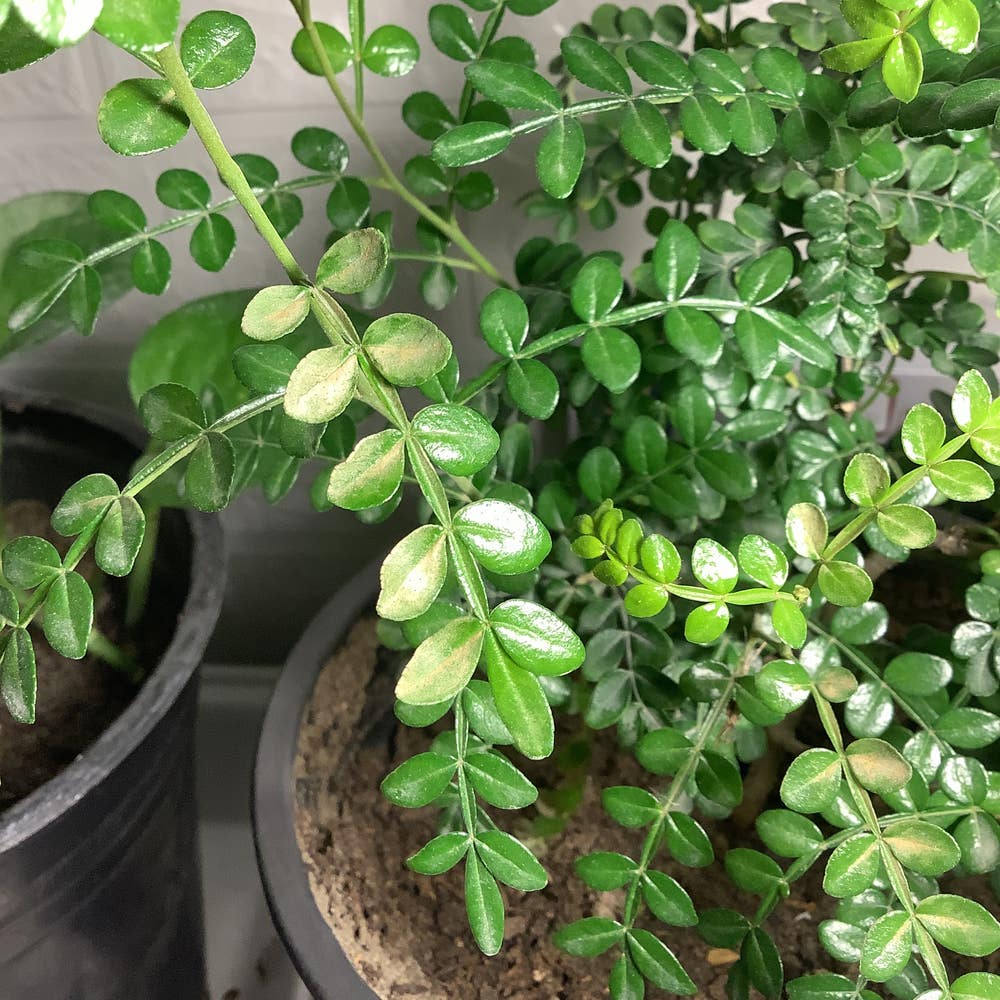
Best Spots to Plant Your Wild Lime 🍋
Zanthoxylum fagara
By the Greg Editorial Team
Sep 30, 2024•5 min read
This article was created with the help of AI so we can cover more plants for you. May contain errors. See one? Report it here.
- 🌞 Track sunlight patterns to find ideal spots for planting Wild Lime.
- 🌱 Test soil for pH and nutrients to ensure optimal growth conditions.
- 🌬️ Protect from wind and frost by choosing strategic planting locations.
Assessing the Best Spot
🌞 Evaluating Sunlight Patterns in Your Garden
To ensure your Wild Lime thrives, start by observing sunlight patterns in your garden. Track the sun's movement throughout the day to pinpoint the best planting spots.
Seasonal changes also play a crucial role. Shadows from trees or buildings can significantly affect light availability, so consider how these factors shift over time.
🌱 Analyzing Soil Conditions and Drainage
Next, focus on soil conditions. Conduct soil tests to determine the type, pH, and nutrient levels, which are vital for your Wild Lime's health.
Drainage is equally important. After heavy rain, check for pooling water; if you notice it, amend your soil to improve drainage and prevent root rot.
🌤️ Considering Microclimates in Your Landscape
Microclimates can make a big difference in plant health. Identify areas in your garden that may be warmer or cooler due to nearby structures or vegetation.
Utilize these microclimates wisely. Position your Wild Lime in spots that benefit from warmth or protection from harsh winds, giving it the best chance to flourish.
With the right sunlight, soil, and microclimate considerations, you're well on your way to creating an ideal environment for your Wild Lime. Next, let’s explore the differences between indoor and outdoor planting options.
Indoor vs. Outdoor Planting
Best Indoor Locations for Wild Lime 🍋
Finding the right indoor spot for your Wild Lime is crucial for its growth. Bright, sunny windowsills are perfect for maximizing sunlight exposure, ensuring your plant gets the light it craves.
Humidity is another key factor. Wild Lime thrives in moderate humidity, so consider using a humidifier or placing a tray of water nearby to maintain optimal conditions.
Outdoor Site Selection Tips 🌳
When planting outdoors, the right garden bed can make all the difference. Look for a location with good drainage and plenty of sunlight to help your Wild Lime flourish.
Additionally, avoid frost pockets by steering clear of low-lying areas where cold air tends to settle. This will protect your plant from unexpected temperature drops and ensure a healthy growing environment.
With these considerations in mind, you’ll set your Wild Lime up for success, whether indoors or out. Next, let’s explore environmental considerations that can further enhance your planting strategy.
Environmental Considerations
🌬️ Wind Protection Strategies
Wind can be a silent adversary for your Wild Lime. To shield it from strong gusts, consider using natural barriers like hedges or fences. These not only provide protection but also add beauty to your garden.
Another effective strategy is to think about planting orientation. Position your Wild Lime in a way that minimizes wind exposure while maximizing sunlight. This dual approach ensures your plant thrives in a balanced environment.
🌳 Creating a Windbreak
If you have space, planting a row of taller plants or shrubs can act as a windbreak. This creates a sheltered microclimate, allowing your Wild Lime to flourish without the stress of harsh winds.
🌪️ Monitoring Wind Patterns
Keep an eye on wind patterns in your garden. Understanding how wind flows through your space can help you make informed decisions about where to plant.
🍂 Seasonal Adjustments
Remember, wind conditions can change with the seasons. Regularly reassess your planting strategy to ensure your Wild Lime remains protected year-round.
By implementing these wind protection strategies, you can create a nurturing environment for your Wild Lime. Next, let’s explore the benefits of companion planting and how it can enhance your garden ecosystem.
Companion Planting
Suitable Plants to Grow Near Wild Lime 🌱
When selecting companion plants for your Wild Lime, think about herbs and flowers that thrive in similar conditions. Basil, oregano, and marigolds are excellent choices, as they not only flourish alongside Wild Lime but also enhance its growth.
It's crucial to avoid competition for resources. Ensure that your companion plants don’t overshadow Wild Lime or compete for nutrients, allowing each plant to thrive in harmony.
Benefits of Companion Planting for Wild Lime 🌼
Companion planting offers significant advantages, particularly in pest management. Certain plants, like marigolds, can deter pests that might otherwise target your Wild Lime, keeping it healthy and vibrant.
Additionally, this practice enhances biodiversity in your garden. A diverse ecosystem promotes a healthier environment, benefiting all plants involved and creating a more resilient garden overall.
By thoughtfully selecting companion plants, you can create a thriving space for your Wild Lime while enjoying the myriad benefits of a well-planned garden. Next, let’s explore common location challenges and how to address them effectively.
Common Location Challenges
🛠️ Addressing Poor Drainage Issues
Poor drainage can be a real headache for your Wild Lime. Signs of trouble include water pooling around the base of the plant and root rot, which can quickly kill your lime tree.
To tackle these issues, start by amending the soil with organic matter. This helps improve soil structure and drainage. Alternatively, consider creating raised beds to elevate your Wild Lime, ensuring it stays dry and healthy.
☀️ Solutions for Inadequate Sunlight Exposure
Inadequate sunlight can stunt the growth of your Wild Lime. If you notice your plant isn't thriving, it might be time to relocate it to a sunnier spot.
If moving isn't an option, try pruning surrounding plants that cast excessive shade. This simple act can significantly enhance light exposure, allowing your Wild Lime to flourish.
With these strategies, you can overcome common challenges and create an ideal environment for your Wild Lime. Next, let’s explore how to protect your plant from harsh winds.
⚠️ Safety First
This content is for general information and may contain errors, omissions, or outdated details. It is not medical, veterinary advice, or an endorsement of therapeutic claims.
Always consult a qualified healthcare professional before using any plant as food, medicine, or supplement.
Never eat any plant (or feed one to pets) without confirming its identity with at least two trusted sources.
If you suspect poisoning, call Poison Control (800) 222-1222, the Pet Poison Helpline (800) 213-6680, or your local emergency service immediately.
Spotted an error? Please report it here.
Maximize your Wild Lime's potential by choosing the perfect spot and let Greg guide you with custom care tips 🌱 to ensure it thrives in your garden!