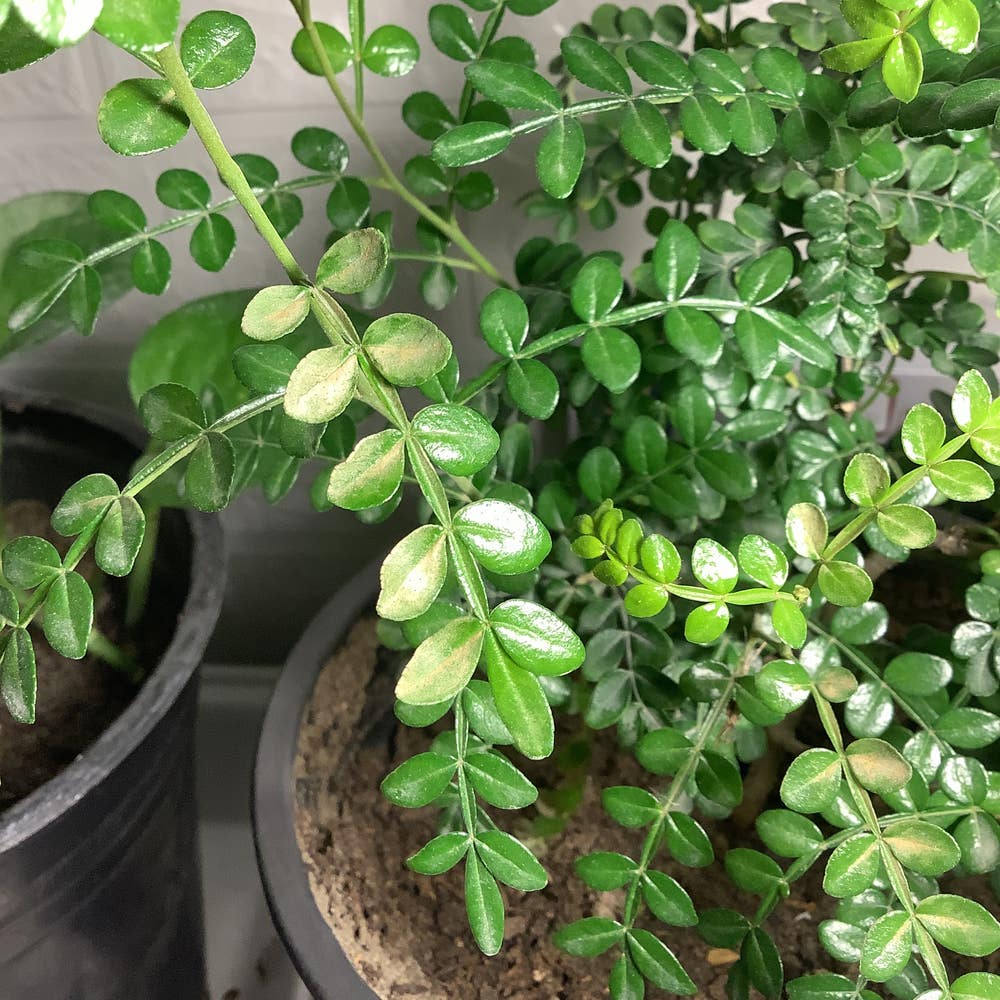
What Are The Bugs on My Wild Lime? 🐛
Zanthoxylum fagara
By the Greg Editorial Team
Jun 18, 2024•4 min read
This article was created with the help of AI so we can cover more plants for you. May contain errors. See one? Report it here.
- Identify pests by webbing, waxy bumps, white clusters, or a white cloud.
- Combat bugs with neem oil, alcohol, sticky traps, and water sprays.
- Prevent infestations with regular inspections, balanced watering, and natural predators.
Spot the Invaders: Identifying Common Pests on Wild Lime
🕷️ Spider Mites
Webbing and leaf speckling are the red flags for spider mites. These tiny critters are nearly invisible, but their silk trails across your Wild Lime can't be missed.
🦟 Scale Insects
Look for waxy bumps on stems and leaves. These pests are masters of disguise, blending in with the bark, but their sticky residue gives them away.
🦟 Fungus Gnats and Fruit Flies
Small flies around the soil or fruit? You've got fungus gnats or fruit flies. Larvae in the soil confirm their presence, and it's time to take action.
🐞 Mealybugs
White cottony clusters on your plant are a dead giveaway for mealybugs. They love to hide in nooks and crannies, feasting on your plant's sap.
🦗 Aphids
New growth on your Wild Lime is prime real estate for aphids. These clusters of tiny pests can be green, yellow, or white, and they're not shy about sucking the life out of your plant.
🦋 Whiteflies
Disturb your plant and a white cloud of whiteflies may erupt. These pests prefer the underside of leaves and can be a nightmare to control.

Bug Busters: Effective Remedies for Each Pest
🕷️ Spider Mites
Neem oil and insecticidal soap are your dynamic duo against spider mites. For immediate action, a leaf rinse with water can dislodge these tiny terrors.
🦠 Scale Insects
Rubbing alcohol applied with a Q-tip can be your precision strike against scale insects. Alternatively, horticultural oil can help evict these sticky freeloaders.
🦟 Fungus Gnats and Fruit Flies
Sticky traps are the silent assassins for adult gnats and flies. For larvae, a hydrogen peroxide solution in the soil can be an effective drowning pool.
🐛 Mealybugs
Alcohol swabs are the nemesis of mealybugs. If you prefer a less hands-on approach, a soapy water solution can wash these pests right out of their cottony clusters.
🦗 Aphids
Blast aphids away with a strong water spray. If they persist, insecticidal treatments can wash away your aphid woes.
🦋 Whiteflies
Yellow sticky traps are like flypaper for whiteflies, luring them to a sticky end. Reflective mulch can also act as a deterrent, turning your garden into a no-fly zone.

Prevention is Key: Keeping Your Wild Lime Pest-Free
👀 Regular Inspections
Vigilance is your first line of defense. Inspect your Wild Lime weekly, checking for early signs of infestation. Flip leaves, peer at stems, and scrutinize the plant from top to bottom. Catching bugs early can save you a world of trouble.
💧 Humidity and Watering
Create an environment that pests find unwelcoming. Balance humidity and watering routines to avoid standing water and excess moisture, which can attract pests and foster disease. Well-drained soil is not just a preference; it's a necessity for healthy Wild Limes.
🌱 Soil and Cleanliness
Maintain a clean growing area. Fallen leaves and debris are like a red carpet for pests. Regularly clear away plant waste and consider wiping down leaves to discourage unwanted guests. A tidy space is a strong deterrent against infestations.
🐞 Natural Predators
Enlist the help of nature's pest control agents: ladybugs and lacewings. These beneficial insects are like the bouncers of your garden, showing aphids, mites, and other pests the door. Introducing them to your Wild Lime's environment is a smart, chemical-free way to keep the peace.
SOS: Immediate Actions When Pests Strike
🚨 Isolate the Affected Plant
Isolation is the first critical step when pests are spotted. Like a bad apple in a barrel, one infested plant can quickly turn your green oasis into a bug buffet. Immediately move the plant away from its leafy companions to halt the spread of the infestation.
🧤 Quick Clean-Up
Next, it's time for a manual pest purge. Don gloves and get to work, picking off the larger freeloaders. For the smaller critters, give your plant a gentle but thorough shower. If it's a heavy infestation, snip off the worst-hit areas. It's a bit like performing surgery: remove the damaged parts to save the whole.
💣 Emergency Treatments
Once the initial crisis management is done, it's time for the heavy hitters. Insecticidal soap is your go-to for a quick knockdown. For a more lasting solution, neem oil is your plant's best friend—think of it as a protective big brother warding off bullies. Apply with care and precision, ensuring you follow the instructions to the letter. Keep a watchful eye post-treatment; these pests can be tenacious.
⚠️ Safety First
This content is for general information and may contain errors, omissions, or outdated details. It is not medical, veterinary advice, or an endorsement of therapeutic claims.
Always consult a qualified healthcare professional before using any plant as food, medicine, or supplement.
Never eat any plant (or feed one to pets) without confirming its identity with at least two trusted sources.
If you suspect poisoning, call Poison Control (800) 222-1222, the Pet Poison Helpline (800) 213-6680, or your local emergency service immediately.
Spotted an error? Please report it here.
Banish bugs from your wild lime by using Greg to spot pests early 🕵️♂️, with custom care reminders and expert community tips to prevent and treat infestations effectively.