Determining What Might Be Eating Your Purple Rubber Plant 🐛
Ficus elastica 'Burgundy'
By the Greg Editorial Team
Oct 17, 2024•7 min read
This article was created with the help of AI so we can cover more plants for you. May contain errors. See one? Report it here.
Safeguard your beautiful purple rubber plant 🌿 from hungry herbivores with these essential protection tips!
- 🌱 Herbivores like deer, rabbits, and squirrels are attracted to your purple rubber plant.
- 🐾 Signs of damage include paw prints and gnaw marks; monitor regularly for early detection.
- 🚫 Effective deterrents include sprays, fencing, and companion planting to protect your plant.
Description and Appeal
🌿 Appearance and Characteristics
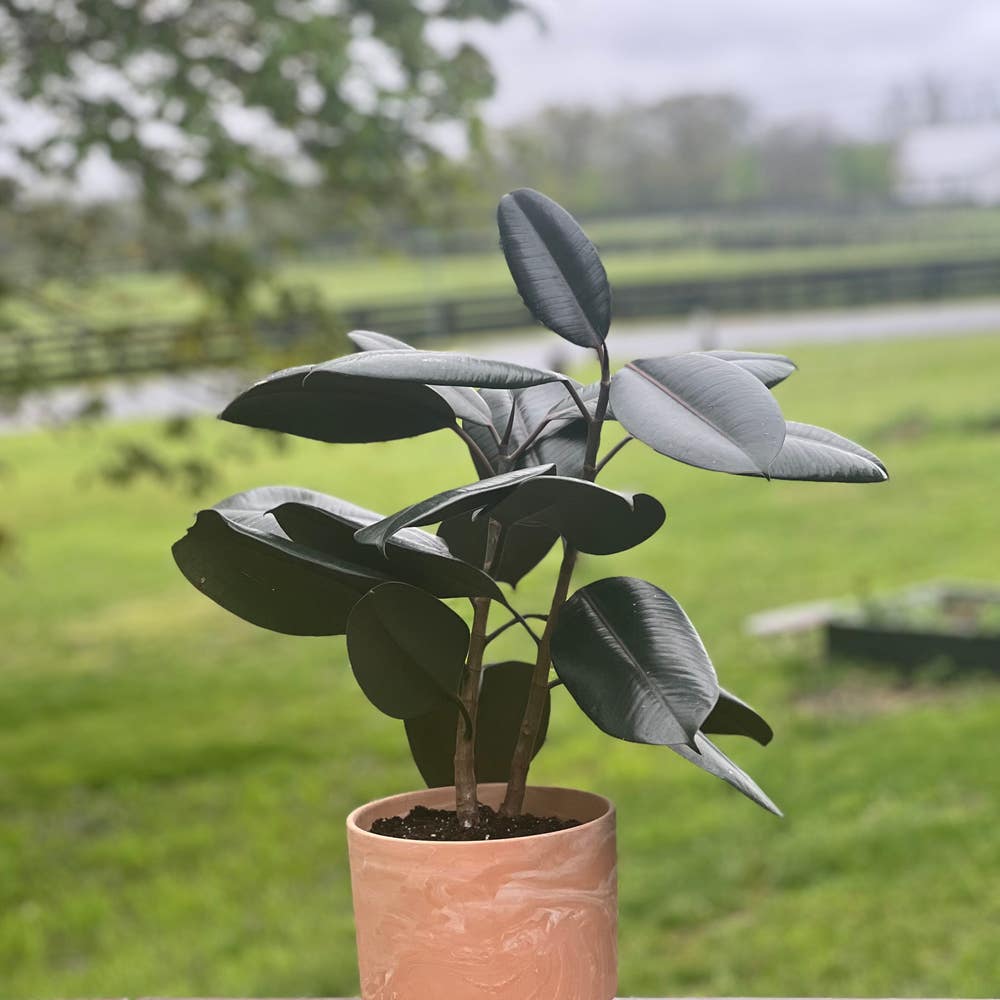
The purple rubber plant is a striking addition to any indoor space, boasting glossy, broad leaves that can grow up to 12 inches long. With varieties ranging from solid green to rich burgundy and even variegated types, this plant offers a visual feast that can elevate your home decor.
Its growth habit is equally impressive, reaching heights of 6 to 10 feet indoors, often developing a bushy appearance that adds lushness to your environment. This combination of size and color makes it a favorite among plant enthusiasts.
🐾 Most Appealing Parts to Animals
Young shoots and tender leaves are particularly enticing to herbivores, thanks to their soft texture and high moisture content. Additionally, the flowers and fruits of the purple rubber plant attract various animals, making it a target for curious critters.
Understanding what draws animals to your plant can help you protect it effectively. By recognizing these appealing features, you can take proactive steps to safeguard your purple rubber plant from potential herbivore damage.
As we explore common herbivores that might be munching on your plant, it’s essential to know how to identify their signs and the best ways to deter them.
Common Herbivores
🦌 Deer
Signs and Damage
Deer are notorious for their appetite for tender plants. Look for hoof prints in the soil and signs of browsing on leaves, particularly the young shoots.
Impact on Plant Health
Their feeding habits can be detrimental, leading to stunted growth and reduced vigor in your purple rubber plant. This can significantly affect its overall health.
Deterrent Methods
To keep deer at bay, consider using commercial deer sprays. For a more organic approach, garlic or hot pepper sprays can work wonders, along with erecting 8-foot tall fencing.
🐇 Rabbits
Signs and Damage
Rabbits leave small, rounded paw prints as evidence of their presence. They tend to make clean cuts on leaves and stems, which can be quite alarming.
Impact on Plant Health
These furry creatures can cause severe damage, especially to young plants. Their nibbling can quickly turn a thriving plant into a struggling one.
Deterrent Methods
Rabbit-specific deterrent sprays are effective for chemical control. Alternatively, planting rabbit-resistant plants or using wire mesh can provide an organic solution.
🐿️ Squirrels
Signs and Damage
Squirrels are often seen chewing on leaves and stems, leaving scattered debris in their wake. Their gnawing can be particularly harmful to branches and young shoots.
Impact on Plant Health
These critters weaken the plant, making it more susceptible to diseases. Their constant nibbling can lead to long-term health issues.
Deterrent Methods
Squirrel deterrent sprays can help keep them away. For a more hands-on approach, consider using scare tactics like reflective tape or noise-makers.
🐦 Birds
Signs and Damage
Birds can leave droppings on leaves and peck marks as signs of their feeding habits. They often target young leaves and fruits, which can be problematic.
Impact on Plant Health
The impact of birds can be mixed; while some may help pollinate, others can cause harm. It's essential to monitor their activity closely.
Deterrent Methods
Bird-safe deterrent sprays are available for chemical control. Alternatively, using netting or reflective objects can provide an organic barrier.
🐭 Rodents
Signs and Damage
Rodents often leave small holes in the soil and droppings as indicators of their presence. Their gnawing can damage roots and stems significantly.
Impact on Plant Health
These pests generally cause harm, leading to root damage and plant decline. Their activity can severely affect your plant's health.
Deterrent Methods
Rodent-specific deterrent sprays can be effective. For organic solutions, traps and natural predators like cats can help keep them in check.
🦡 Groundhogs
Signs and Damage
Groundhogs are easy to spot with their burrows near the plant and chewed leaves. They can cause significant damage to both stems and roots.
Impact on Plant Health
These animals can decimate young plants, making them a serious threat. Their feeding habits can lead to severe decline.
Deterrent Methods
Commercial groundhog repellents are available for chemical control. For organic methods, consider fencing, trapping, or modifying their habitat to deter them.
Understanding these common herbivores and their impacts is crucial for protecting your purple rubber plant. Next, we’ll explore beneficial animals that can enhance your garden ecosystem.
Beneficial Animals
Description of Beneficial Animals 🐝
When it comes to your purple rubber plant, not all visitors are unwelcome. Pollinators like bees and butterflies are drawn to its flowers, playing a crucial role in the plant's reproductive cycle.
Additionally, predatory insects such as ladybugs and lacewings help keep harmful pests at bay. Their presence can significantly enhance the health of your garden.
Positive Impacts on Ecosystem 🌍
Pollination is vital for enhancing fruit and seed production. With more flowers being pollinated, you can expect a richer harvest and a more vibrant garden.
Moreover, beneficial insects contribute to pest control by reducing harmful insect populations. This natural balance helps maintain a healthy ecosystem around your plants, allowing them to thrive.
Understanding the roles of these beneficial animals can transform your gardening experience. By fostering an environment that attracts them, you not only protect your plants but also contribute positively to the local ecosystem.
Next, let’s explore some effective protection strategies to keep your purple rubber plant safe from herbivores while promoting a thriving garden.
Protection Strategies
🛡️ Preventive Measures
Regular monitoring is essential for keeping your purple rubber plant safe. Inspect for signs of herbivore activity, such as chewed leaves or droppings, to catch any issues early.
Companion planting can also be a game-changer. By placing deterrent plants nearby, you can create a natural barrier that discourages herbivores from approaching your prized plant.
⚠️ Reactive Solutions
If you notice damage, immediate action is crucial. Use repellents or physical barriers to protect your plant from further harm.
For long-term success, consider establishing a diverse garden ecosystem. This not only enhances the health of your plants but also creates a balanced environment that can deter pests naturally.
🌱 Balancing Protection and Ecosystem Health
Understanding the roles of herbivores in your garden is vital. Some animals can actually contribute positively to your ecosystem, so it’s important to recognize their benefits.
Implementing integrated pest management (IPM) strategies can help you strike a balance. This approach allows you to protect your plants while fostering a healthy garden environment that supports beneficial wildlife.
By taking these steps, you can ensure your purple rubber plant thrives while maintaining a harmonious ecosystem. Next, let’s explore seasonal considerations that can further enhance your plant care strategy.
Seasonal Considerations
Variations in Animal Attraction 🦌
As the seasons change, so does the behavior of herbivores. In spring, expect a surge in activity as animals seek out tender shoots and fresh leaves, making your purple rubber plant particularly vulnerable.
In the fall, aggressive foraging kicks in as animals prepare for winter. This is when they become more desperate, often leading to increased damage to your plants.
Timing of Preventive Measures ⏰
To protect your plants effectively, timing is crucial. Early spring is the perfect moment to implement protective measures before new growth appears, ensuring your plant has a fighting chance.
As fall approaches, reinforce barriers and deterrents. This proactive approach helps safeguard your purple rubber plant from hungry visitors looking to stock up for the colder months.
By understanding these seasonal patterns, you can better prepare and protect your plants, ensuring they thrive year-round.
Toxicity and Safety
🐾 Toxic Effects on Animals
The purple rubber plant contains latex sap, which can be mildly toxic to some animals. This sap may irritate their skin or digestive systems, potentially deterring certain herbivores while attracting others that are less sensitive.
🛡️ Garden Safety
It's crucial for gardeners to educate themselves on the safe handling of this plant. Observing animal behavior around the purple rubber plant can provide insights into which creatures are drawn to it and how to manage their presence effectively.
By understanding these aspects, you can create a safer environment for both your plants and the wildlife around them. This knowledge empowers you to make informed decisions about your gardening practices.
As you cultivate your garden, remember that awareness is key to maintaining a healthy ecosystem. Now, let’s explore some effective protection strategies to safeguard your purple rubber plant from herbivores.
⚠️ Safety First
This content is for general information and may contain errors, omissions, or outdated details. It is not medical, veterinary advice, or an endorsement of therapeutic claims.
Always consult a qualified healthcare professional before using any plant as food, medicine, or supplement.
Never eat any plant (or feed one to pets) without confirming its identity with at least two trusted sources.
If you suspect poisoning, call Poison Control (800) 222-1222, the Pet Poison Helpline (800) 213-6680, or your local emergency service immediately.
Spotted an error? Please report it here.
Keep your purple rubber plant thriving 🌱 by using Greg's personalized monitoring and deterrent tips to fend off pesky herbivores and ensure its beauty shines!