When and Where to Trim Your Ficus 'Burgundy' ✂️
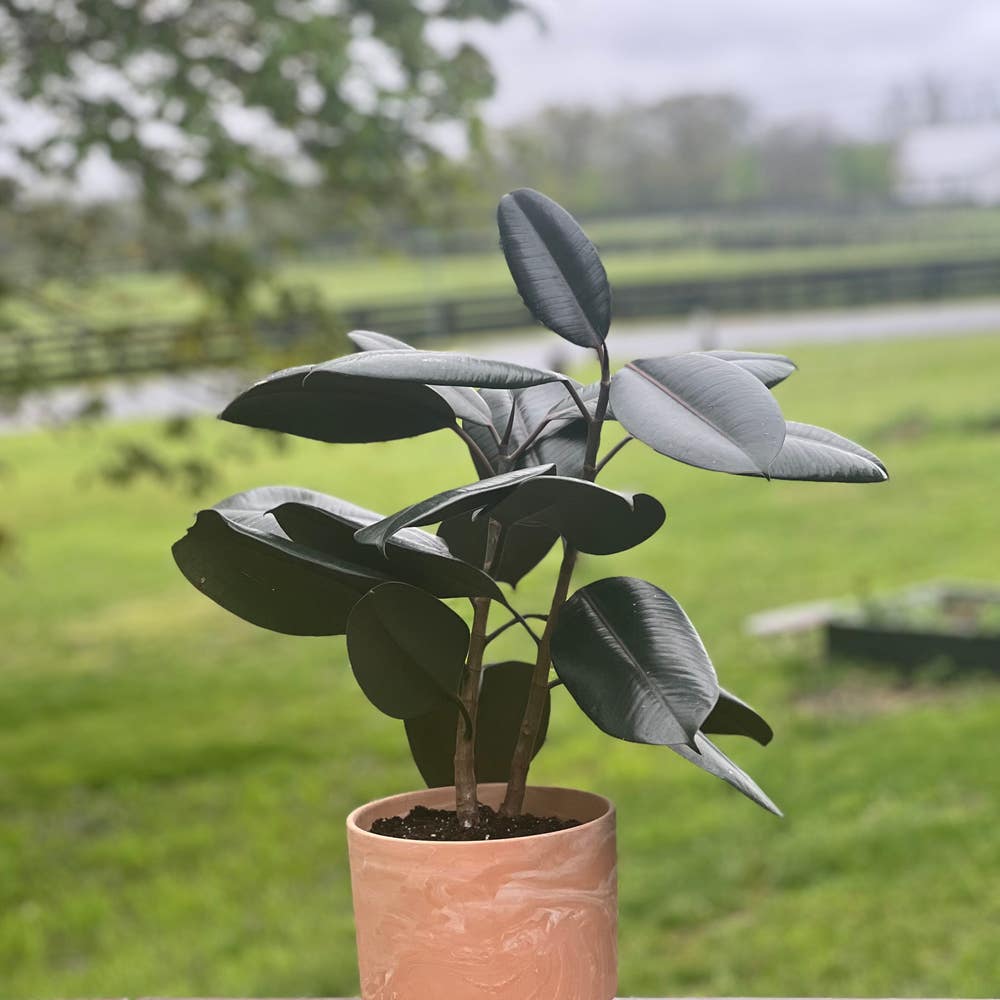
Ficus elastica 'Burgundy'
By the Greg Editorial Team
Jan 09, 2025•6 min read
This article was created with the help of AI so we can cover more plants for you. May contain errors. See one? Report it here.
Elevate your Ficus 'Burgundy' 🌱 with essential pruning tips for vibrant health and stunning beauty!
- ✂️ Pruning promotes bushier growth and prevents legginess in your Ficus 'Burgundy'.
- 🌱 Best times to prune are early spring and late summer for optimal recovery.
- 🛠️ Use sharp tools and clean cuts for healthier, quicker healing of your plant.
Importance of Pruning for Health and Aesthetics
🌱 Benefits of Pruning
Pruning your Ficus 'Burgundy' is essential for promoting bushier growth and preventing that dreaded legginess. By trimming back overgrown branches, you encourage a fuller, more vibrant plant that looks great in any space.
Not only does pruning enhance the overall aesthetics and shape of your plant, but it also plays a crucial role in its health. Removing dead or damaged leaves helps improve air circulation, reducing the risk of disease and allowing your plant to thrive.
Additionally, regular pruning encourages new growth, giving your Ficus a fresh, lively appearance. This simple act of trimming can transform your plant into a stunning focal point in your home or garden.
In summary, pruning is not just about looks; it's about nurturing your plant's health and vitality. Embrace the process, and watch your Ficus flourish!
Best Time to Prune
🌱 Seasonal Timing
The best times to prune your Ficus 'Burgundy' are early spring and late summer. Pruning during these periods helps the plant recover quickly and thrive, while avoiding winter dormancy is crucial to reduce stress.
👀 Signs Indicating Pruning Time
Look for new growth as a clear sign that it's time to shape and control the size of your plant. Additionally, if you notice leaves starting to yellow or drop, it may indicate overgrowth or stress, signaling that a trim is needed.
By keeping an eye on these indicators, you can ensure your Ficus remains healthy and vibrant. Regular pruning not only enhances its appearance but also promotes robust growth.
Tools Needed for Pruning
Essential Pruning Tools 🌿
When it comes to pruning your Ficus 'Burgundy', having the right tools is crucial. Here’s a quick rundown of the essentials you’ll need to ensure a smooth and effective pruning session.
Sharp Pruning Shears: These are your best friends for making clean cuts. A sharp blade minimizes damage to the plant and promotes quicker healing.
Loppers: For those thicker branches that require a bit more muscle, loppers are indispensable. They provide the leverage needed to tackle tougher cuts without straining your hands.
Gloves: Protecting your hands is a must. Gloves shield you from sap and any potential irritants that might be lurking on the plant.
Disinfectant: Keeping your tools clean is vital for plant health. A quick wipe with disinfectant before and after pruning helps prevent the spread of diseases.
Why These Tools Matter 🛠️
Using the right tools not only makes the job easier but also ensures your Ficus thrives post-pruning. Clean cuts lead to healthier plants, and proper protection keeps you safe while you work.
Ready to dive into the pruning process? Let’s get those tools in hand and prepare for a rewarding gardening experience!
Step-by-Step Pruning Instructions
Preparing for Pruning 🌿
Before you dive into pruning your Ficus 'Burgundy', it's essential to gather all necessary tools and materials. This includes sharp pruning shears, loppers for thicker branches, gloves for hand protection, and disinfectant to keep your tools clean.
Next, inspect your plant closely for areas that need attention. Look for dead or damaged leaves and overgrown branches that could benefit from a trim.
Pruning Process ✂️
Now that you're prepared, it's time to get to work. Start by identifying the branches you want to prune, focusing on those that are dead, damaged, or excessively overgrown.
When making cuts, aim for a 45-degree angle just above a leaf node. This technique encourages new growth and helps the plant thrive.
Be mindful not to remove more than 20-30% of the plant at one time. Over-pruning can shock your Ficus and hinder its health.
As you prune, step back periodically to assess the overall shape and balance of your plant. This will help ensure that your Ficus maintains a pleasing aesthetic while promoting healthy growth.
With these steps, you’re well on your way to a beautifully pruned Ficus 'Burgundy'. Next, let’s explore the importance of deadheading techniques to further enhance your plant's health and appearance.
Deadheading Techniques
What is Deadheading and Why is it Important? 🌼
Deadheading is the practice of removing spent flowers or leaves from your Ficus 'Burgundy' to encourage new growth. This simple technique not only enhances the plant's aesthetics but also promotes healthier foliage.
When and How to Deadhead Properly 🕒
The best time to deadhead is right after flowering or when you notice leaves beginning to yellow. Make it a habit to regularly check for spent flowers or leaves throughout the growing season.
- Start by identifying any spent leaves or flowers.
- Use clean pruning shears to cut at the base of the stem.
- Dispose of the removed material to prevent pests and diseases from taking hold.
Benefits of Deadheading for Plant Health 🌱
Deadheading encourages new growth, which improves the overall vigor of your plant. Additionally, it reduces the risk of disease by eliminating decaying material that can attract unwanted pests.
By incorporating deadheading into your regular plant care routine, you’ll not only keep your Ficus 'Burgundy' looking its best but also contribute to its long-term health. Now that you know how to deadhead effectively, let’s explore some common pruning challenges you might encounter.
Common Pruning Challenges
🌱 Identifying Overgrowth and Legginess
Overgrowth in your Ficus 'Burgundy' can manifest as sparse foliage at the base and excessive height. To combat this, regular pruning and shaping are essential for maintaining a balanced appearance.
🐛 Dealing with Pests and Diseases During Pruning
Before you start pruning, inspect your plant for any signs of pests. It's crucial to check both before and after pruning to ensure your plant remains healthy.
If you spot any pests, consider using insecticidal soap or neem oil as effective treatment options. These solutions can help keep your plant thriving and free from infestations.
✂️ Avoiding Common Pruning Mistakes
One of the most common mistakes is over-pruning, which can stress your plant significantly. Aim to remove only a portion of the foliage to keep your Ficus healthy and vibrant.
Additionally, ensure your cutting techniques are proper. Clean cuts at the right angle promote better healing and growth, so take your time with each cut.
By being mindful of these challenges, you can ensure your Ficus 'Burgundy' remains healthy and beautiful. Now that you’re equipped to tackle these issues, let’s explore the importance of deadheading techniques next.
⚠️ Safety First
This content is for general information and may contain errors, omissions, or outdated details. It is not medical, veterinary advice, or an endorsement of therapeutic claims.
Always consult a qualified healthcare professional before using any plant as food, medicine, or supplement.
Never eat any plant (or feed one to pets) without confirming its identity with at least two trusted sources.
If you suspect poisoning, call Poison Control (800) 222-1222, the Pet Poison Helpline (800) 213-6680, or your local emergency service immediately.
Spotted an error? Please report it here.
Transform your Ficus 'Burgundy' into a stunning focal point with smart pruning tips ✂️ from Greg that ensure healthy growth and beautiful shape all year round!