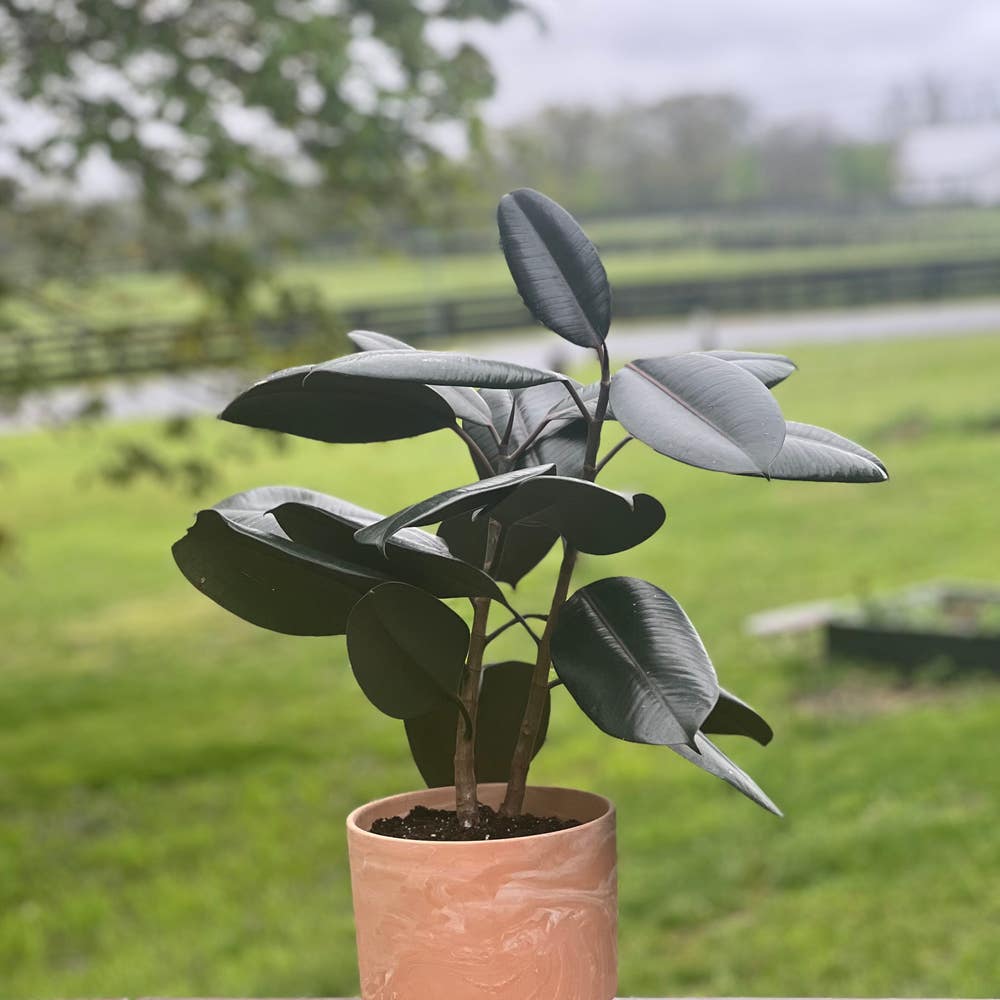
5 Facts About Ficus 'Burgundy' Pollination 🐝
Ficus elastica 'Burgundy'
By the Greg Editorial Team
Jan 08, 2025•6 min read
This article was created with the help of AI so we can cover more plants for you. May contain errors. See one? Report it here.
Boost your gardening success 🌱 by mastering Ficus 'Burgundy' pollination and nurturing a thriving ecosystem!
- 🌼 Ficus 'Burgundy' flowers are small and often hidden, aiding self-pollination.
- 🐝 Pollination involves wasps, bees, and butterflies, enhancing genetic diversity and resilience.
- 🌱 Hand pollination boosts fruit production, especially when natural pollinators are scarce.
Flower Structure
Description of Flower Characteristics 🌼
Ficus 'Burgundy' features small, inconspicuous flowers that are often spherical or oval in shape. Their color typically ranges from greenish to yellowish, allowing them to blend seamlessly with the surrounding foliage.
The arrangement of these flowers is quite unique, as they cluster within leaf axils. This positioning makes them less visible, which can be both a protective measure and a challenge for pollinators.
Role in Pollination 🐝
The hidden nature of Ficus 'Burgundy' flowers may deter some pollinators, but it also shields them from environmental stressors. This clever design facilitates both self-pollination and cross-pollination, depending on the availability of pollinators and the surrounding environmental conditions.
Understanding this flower structure is crucial for appreciating how Ficus 'Burgundy' thrives in its ecosystem. The interplay between its concealed flowers and pollination methods ensures the plant's reproductive success, even in challenging conditions.
As we delve deeper into the pollination process, we’ll explore how these flowers interact with their pollinators and the benefits of both self and cross-pollination.
Pollination Process
Self-Pollination Explanation 🌱
Ficus 'Burgundy' has a unique ability to self-pollinate, thanks to the close proximity of its male and female flower parts. This mechanism allows the plant to produce fruit and seeds even in the absence of external pollinators.
While self-pollination is effective, incorporating additional pollination methods can significantly boost fruit and seed production. This adaptability is crucial for the plant's reproductive success.
Cross-Pollination Explanation 🐝
Cross-pollination plays a vital role in enhancing genetic diversity and overall vigor in Ficus 'Burgundy'. By mixing genetic material, the plant can better withstand diseases and adapt to environmental changes.
The primary pollinators for this species include specific wasp species, which are essential for effective pollination. Additionally, bees, butterflies, and moths may also contribute, making the pollination process a collaborative effort among various species.
Interactions with Pollinator Species 🦋
Wasps have a fascinating relationship with Ficus 'Burgundy'. They enter the flowers to lay their eggs, and in doing so, they inadvertently transfer pollen from one flower to another.
Bees and butterflies, attracted by the lush foliage, also play a role in this process. Their visits can aid in pollen transfer, further supporting the plant's reproductive cycle. This interconnectedness highlights the importance of maintaining healthy ecosystems for successful pollination.
Natural Pollination
🌬️ Pollen Transfer Mechanisms
Natural pollination in Ficus 'Burgundy' relies on both wind and insect activity. These mechanisms are essential for moving pollen from male to female flowers, ensuring successful fertilization.
Successful pollination is crucial for reproduction. It leads to the development of fruit and seeds, which are vital for the continuation of the species.
🌱 Genetic Diversity
Cross-pollination plays a significant role in promoting genetic diversity. This diversity is essential for the plant's resilience against diseases and environmental changes.
By encouraging a mix of genetic traits, Ficus 'Burgundy' can adapt better to challenges, ensuring its survival and thriving in various conditions.
As we explore the next section, we’ll delve into the fascinating world of hand pollination and how it can support the natural processes of Ficus 'Burgundy'.
Hand Pollination
Hand pollination can be a rewarding way to ensure the successful reproduction of your Ficus 'Burgundy'. This method is particularly useful when natural pollinators are scarce or when you want to enhance fruit and seed production.
🌱 Step-by-Step Instructions
Identify Male and Female Flower Parts:
Start by locating the male and female parts of the flowers. The male parts are the anthers, which produce pollen, while the female parts are the stigma, which receives the pollen.Collecting Pollen:
Use a small brush or cotton swab to gently collect pollen from the male flowers. This step is crucial for ensuring you have enough pollen for effective transfer.Transferring Pollen:
Carefully apply the collected pollen to the stigma of the female flowers. This direct contact is essential for successful fertilization.Timing:
Perform this process during peak flowering periods for maximum effectiveness. Pollination is most successful when the flowers are fully open and receptive.
Hand pollination not only boosts your plant's reproductive success but also deepens your connection with nature. By taking this hands-on approach, you can actively contribute to the health and vitality of your Ficus 'Burgundy'.
🌼 Why Hand Pollination Matters
Hand pollination can be a game-changer, especially in environments where natural pollinators are limited. It allows you to take control of the pollination process, ensuring that your plants thrive and produce fruit.
As you engage in this practice, remember that each step you take supports the broader ecosystem. Your efforts can lead to a more robust and diverse plant population, enhancing the beauty of your garden and the health of your Ficus 'Burgundy'.
With these techniques in hand, you're well-equipped to support your plants' growth. Next, let's explore how to create a pollinator-friendly environment that complements your hand pollination efforts.
Supporting Pollinators
Creating a Pollinator-Friendly Environment 🐝
To support the pollination of Ficus 'Burgundy', it's essential to create a welcoming environment for various pollinators. Start by planting a diverse array of flowering species that bloom at different times, ensuring a continuous food source throughout the seasons.
Additionally, providing water sources and shelter can significantly enhance the habitat for pollinators. Simple features like shallow dishes of water or small brush piles can make a big difference.
Companion Plants 🌼
Companion planting is a fantastic way to attract beneficial insects. Consider adding marigolds, lavender, and other nectar-rich plants to your garden.
These plants not only draw in bees and butterflies but also contribute to the overall health of your garden ecosystem. By supporting Ficus 'Burgundy' pollination, you create a vibrant, thriving environment that benefits all plants involved.
Incorporating these strategies will not only enhance pollination success but also foster a deeper connection with nature. As you cultivate your garden, you'll witness the beauty of pollinators at work, enriching your gardening experience.
Pollination Challenges
Common Obstacles 🌪️
Pollination success for Ficus 'Burgundy' can be significantly impacted by environmental factors. Temperature fluctuations, humidity levels, and a lack of suitable pollinators create hurdles that can hinder the process.
Inadequate flowering conditions also play a role. Poor light or nutrient deficiencies can lead to reduced flower production, making it harder for pollinators to do their job.
Solutions 💡
To combat these challenges, it's essential to ensure optimal growing conditions. Maintaining appropriate light, temperature, and humidity levels can create a more favorable environment for pollination.
If natural pollinators are scarce, consider introducing artificial pollination methods. This proactive approach can help ensure that your Ficus 'Burgundy' continues to thrive.
Impact of Environmental Factors 🌍
Extreme weather conditions can disrupt the flowering and pollination cycles of Ficus 'Burgundy'. Events like heavy rains or prolonged drought can affect both the timing and success of pollination.
Monitoring environmental conditions is crucial. By keeping an eye on these factors, you can support successful pollination and promote the health of your plants.
With the right care and attention, you can help your Ficus 'Burgundy' overcome these challenges and flourish.
⚠️ Safety First
This content is for general information and may contain errors, omissions, or outdated details. It is not medical, veterinary advice, or an endorsement of therapeutic claims.
Always consult a qualified healthcare professional before using any plant as food, medicine, or supplement.
Never eat any plant (or feed one to pets) without confirming its identity with at least two trusted sources.
If you suspect poisoning, call Poison Control (800) 222-1222, the Pet Poison Helpline (800) 213-6680, or your local emergency service immediately.
Spotted an error? Please report it here.
Unlock the secrets of Ficus 'Burgundy' pollination 🌱 and let Greg guide you with tailored tips and reminders to boost your plant's fruit production and overall health!