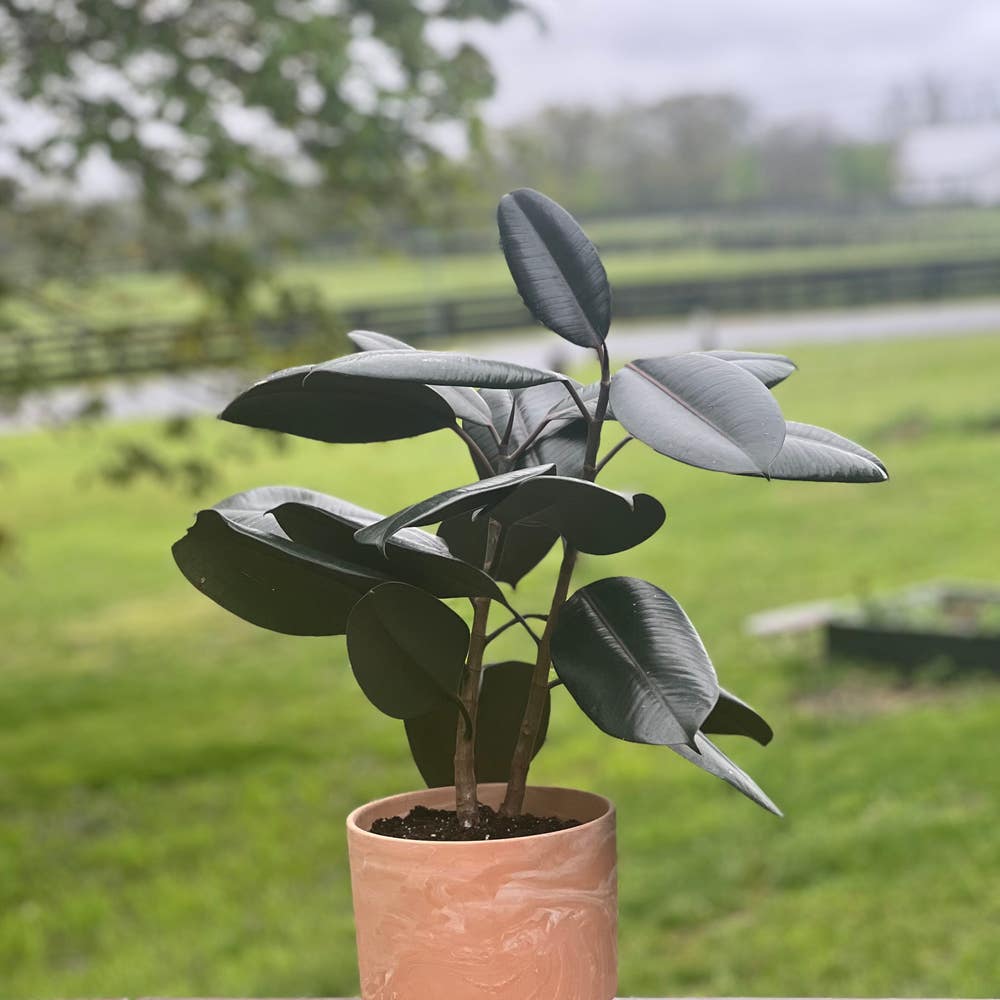
9 Common Purple Rubber Plant Flowering Issues 🌸
Ficus elastica 'Burgundy'
By the Greg Editorial Team
Oct 17, 2024•5 min read
This article was created with the help of AI so we can cover more plants for you. May contain errors. See one? Report it here.
Transform your Purple Rubber Plant into a blooming beauty 🌼 with these essential care tips for vibrant flowers!
- 🌞 Purple Rubber Plants need 6 hours of indirect sunlight daily for blooming.
- 🌱 Key nutrients like nitrogen and phosphorus are essential for healthy flower production.
- 💧 Avoid overwatering to prevent root rot and premature flower drop; let soil dry out.
Failure to Bloom
🌞 Potential Causes
Light Requirements
One of the primary reasons your Purple Rubber Plant may fail to bloom is insufficient light exposure. Ideally, these plants need at least six hours of indirect sunlight daily to thrive.
The quality of light also plays a crucial role. Bright, filtered light is essential for encouraging blooming, so consider the placement of your plant carefully.
Nutritional Deficiencies
Nutritional deficiencies can hinder flowering as well. Key nutrients like nitrogen, phosphorus, and potassium are vital for healthy growth.
Look for signs of nutrient deficiency, such as yellowing leaves or stunted growth, which can indicate that your plant isn't getting what it needs.
Environmental Stress
Environmental stressors can also impact blooming. The ideal temperature range for a Purple Rubber Plant is between 65°F to 80°F (18°C to 27°C).
Additionally, maintaining humidity levels above 50% is crucial for promoting flower development. Low humidity can lead to stress and hinder blooming.
🌱 Solutions and Care Adjustments
To encourage your plant to bloom, start by adjusting its light exposure. Move it to a brighter location or consider using grow lights to enhance its light intake.
Next, fertilize appropriately. A balanced fertilizer during the growing season can provide the nutrients your plant needs to flourish.
Finally, monitor environmental conditions closely. Using a hygrometer can help you maintain optimal humidity levels, ensuring your plant is comfortable and ready to bloom.
With these adjustments, your Purple Rubber Plant will be on its way to producing beautiful flowers.
Premature Flower Drop
🌼 Identifying Symptoms
Premature flower drop can be disheartening for any plant enthusiast. Look for signs like flowers falling before they fully bloom and accompanying leaf changes, such as yellowing or wilting.
🚰 Causes
Overwatering
One of the primary culprits is overwatering. Symptoms include root rot and soggy soil, which can severely affect your plant's health.
🌡️ Temperature Changes
Sudden temperature fluctuations can also stress your Purple Rubber Plant. Both drops and spikes in temperature can lead to premature flower drop.
🛠️ Remedies and Preventive Measures
- Adjust watering schedule: Allow the soil to dry out between waterings to prevent over-saturation.
- Stabilize temperature: Keep your plant away from drafts and heat sources to maintain a consistent environment.
- Improve drainage: Use pots with drainage holes and a well-aerated soil mix to promote healthy root systems.
By addressing these issues, you can help your Purple Rubber Plant thrive and encourage it to produce beautiful blooms. Next, let’s explore abnormal flower development and how to ensure your plant's flowers are healthy and vibrant.
Abnormal Flower Development
🌼 Description of Abnormal Flowers
Abnormal flowers on your Purple Rubber Plant can be quite concerning. Look for characteristics such as small, deformed, or discolored blooms that differ significantly from healthy flowers.
Healthy blooms are typically vibrant and full-sized, while abnormal ones may appear stunted or oddly shaped. Recognizing these differences is crucial for timely intervention.
🥦 Causes
Nutritional Imbalances
One of the primary culprits behind abnormal flower development is nutritional imbalances. Excessive nitrogen can lead to poor flower quality, while a lack of phosphorus can negatively impact flower size and color.
🐜 Pests
Pests like aphids and spider mites can wreak havoc on flower health. Signs of infestation include sticky residue on leaves and webbing around the flowers, indicating that your plant needs immediate attention.
🌱 Solutions to Encourage Healthy Blooms
- Adjust fertilizer ratios: Use a bloom booster with higher phosphorus content to promote better flower development.
- Implement pest control: Treat infestations with insecticidal soap or neem oil to protect your blooms.
- Regularly inspect plants: Early detection of pests can prevent further damage, ensuring your flowers thrive.
By addressing these issues, you can encourage your Purple Rubber Plant to produce beautiful, healthy blooms. Next, let’s explore the factors affecting flowering to ensure your plant gets everything it needs to flourish.
Factors Affecting Flowering
🌞 Light Requirements
Importance of Adequate Light for Blooming
Light is crucial for photosynthesis, which fuels a plant's growth and flowering. For the Purple Rubber Plant, optimal blooming occurs with at least six hours of bright, filtered light daily.
🍽️ Nutritional Needs
Key Nutrients for Flowering
Essential nutrients like nitrogen, phosphorus, and potassium play a significant role in flower production. Balanced fertilization ensures your plant receives these nutrients, promoting vibrant blooms and overall health.
✂️ Pruning Techniques
How Pruning Affects Flowering
Pruning shapes plant growth and encourages more blooms. The best time to prune is early spring, just before new growth begins, allowing the plant to focus energy on producing flowers.
Best Practices for Pruning to Encourage Blooms
- Remove dead or damaged leaves: This promotes airflow and light penetration, essential for healthy growth.
- Pinch back tips of stems: This encourages bushier growth, leading to more blooms.
- Avoid heavy pruning: Limit pruning to 20% of the plant to prevent stress and ensure robust flowering.
Understanding these factors can significantly enhance your Purple Rubber Plant's blooming potential. With the right light, nutrients, and pruning techniques, you can create an environment that fosters beautiful flowers. Next, we’ll explore seasonal considerations that further influence flowering.
Seasonal Considerations for Flowering
🌸 Bloom Cycle
Typical Bloom Cycle of Purple Rubber Plant
The Purple Rubber Plant typically blooms once a year under optimal conditions. When it does bloom, the flowers can last several weeks, adding a delightful touch to your indoor garden.
🌡️ Temperature and Humidity
Ideal Conditions for Flowering
For the best blooms, maintain a temperature range of 65°F to 80°F (18°C to 27°C). Additionally, ensure humidity levels stay above 50% to support healthy flower development.
🌿 How to Manage Indoor Climate for Optimal Blooms
- Use humidifiers: This is especially helpful during dry seasons to boost humidity levels.
- Monitor temperature: Utilize thermostats to keep conditions consistent and comfortable.
- Group plants: Create a microclimate by placing your Purple Rubber Plant with other humidity-loving plants.
By managing these seasonal factors, you can significantly enhance your plant's blooming potential. Next, let’s explore the specific factors that affect flowering in more detail.
⚠️ Safety First
This content is for general information and may contain errors, omissions, or outdated details. It is not medical, veterinary advice, or an endorsement of therapeutic claims.
Always consult a qualified healthcare professional before using any plant as food, medicine, or supplement.
Never eat any plant (or feed one to pets) without confirming its identity with at least two trusted sources.
If you suspect poisoning, call Poison Control (800) 222-1222, the Pet Poison Helpline (800) 213-6680, or your local emergency service immediately.
Spotted an error? Please report it here.
Unlock your Purple Rubber Plant's blooming potential 🌸 with Greg's tailored care reminders and expert tips to keep it thriving all year round!