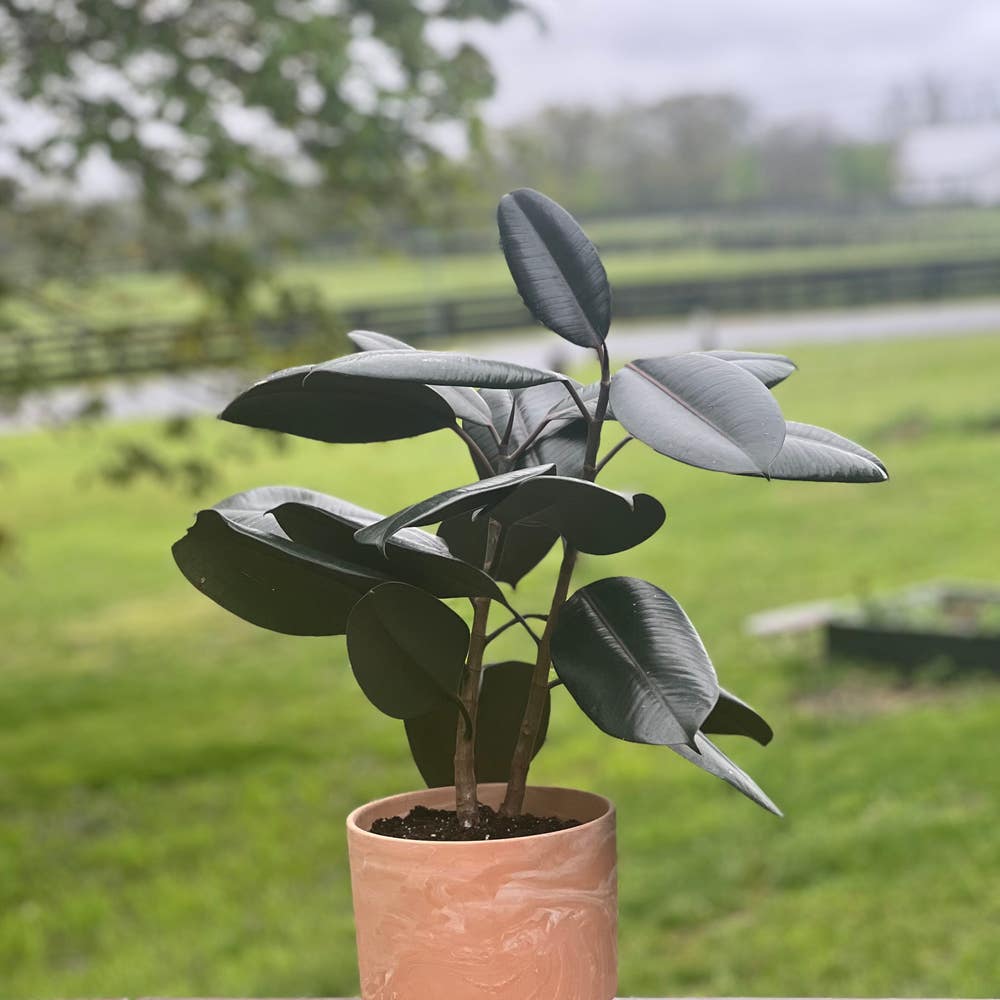
3 Tips for Handling Bugs on Ficus 'Burgundy' 🐛
Ficus elastica 'Burgundy'
By the Greg Editorial Team
Jan 08, 2025•6 min read
This article was created with the help of AI so we can cover more plants for you. May contain errors. See one? Report it here.
Keep your Ficus 'Burgundy' thriving 🌱 by mastering pest control techniques to prevent damage and ensure vibrant growth!
- 🕷️ Spider mites and mealybugs can cause significant damage; identify them early!
- 🌱 Regular inspections and plant hygiene help prevent pest infestations on Ficus 'Burgundy'.
- 🐞 Integrated Pest Management (IPM) combines methods for effective pest control and plant health.
Common Pests Affecting Ficus 'Burgundy'
🕷️ Spider Mites
Identification
Spider mites are tiny, spider-like creatures that can be red or yellow. Look for fine webbing on leaves and stippled leaf surfaces as telltale signs of their presence.
Damage Caused
These pests can cause significant damage, leading to yellowing leaves, leaf drop, and reduced vigor in your Ficus 'Burgundy'. If left unchecked, they can severely weaken your plant.
Treatment Options
For chemical treatments, consider using miticides or insecticidal soap. Organic options include neem oil and increasing humidity around the plant to deter these pests.
🐢 Scale Insects
Identification
Scale insects appear as small, waxy bumps on stems and leaves. You might notice sticky leaves due to honeydew excretion, which is a clear indication of their presence.
Damage Caused
These pests can cause wilting, yellowing leaves, and stunted growth. Their feeding habits can significantly impact the overall health of your Ficus.
Treatment Options
Systemic insecticides are effective for chemical treatment. For organic solutions, try rubbing alcohol or insecticidal soap to manage scale infestations.
🐛 Mealybugs
Identification
Mealybugs look like white, cottony masses on stems and leaf joints. Sticky leaves and the presence of ants often signal their infestation, as ants are attracted to the honeydew they produce.
Damage Caused
These pests can lead to leaf yellowing, wilting, and even potential plant death if not addressed. Their feeding can weaken your Ficus significantly.
Treatment Options
Insecticidal soap and systemic treatments are effective chemical options. For organic control, neem oil and manual removal with a cotton swab can help keep mealybugs at bay.
🐜 Aphids
Identification
Aphids are small, soft-bodied insects that can be green or black. Look for curling leaves and sticky residue, which indicates their presence.
Damage Caused
These pests can stunt growth and distort leaves, impacting your plant's overall health. Their rapid reproduction can lead to larger infestations if not managed.
Treatment Options
Insecticidal sprays work well for chemical treatment. For organic methods, consider introducing ladybugs, or using neem oil and soapy water to combat aphids.
🦋 Whiteflies
Identification
Whiteflies are tiny, white, moth-like insects that fly up when leaves are disturbed. Sticky leaves are another common sign of their presence.
Damage Caused
They can cause yellowing leaves and reduce photosynthesis, ultimately harming your Ficus. Their feeding can lead to weakened plants over time.
Treatment Options
Insecticidal soap and systemic insecticides are effective chemical treatments. For organic options, yellow sticky traps and neem oil can help control whitefly populations.
🦟 Fungus Gnats / Fruit Flies
Identification
Fungus gnats are small, dark flies that hover near the soil. You may also see larvae visible in the soil or adult flies around your plant.
Damage Caused
These pests can cause root damage, leading to stunted growth and wilting. Their presence often indicates overly moist soil conditions.
Treatment Options
For chemical control, use insecticides targeting larvae. Organic solutions include allowing the soil to dry out and introducing beneficial nematodes to combat the larvae.
🐞 Weevils
Identification
Weevils are small, elongated beetles with distinctive snouts. Look for holes in leaves and the presence of larvae in the soil as signs of infestation.
Damage Caused
These pests can cause significant leaf damage and weaken your plants. Their feeding habits can lead to stunted growth and overall decline.
Treatment Options
Insecticides targeting adult beetles are effective for chemical treatment. For organic options, handpicking and introducing beneficial nematodes can help manage weevil populations.
With a solid understanding of these common pests, you can take proactive measures to protect your Ficus 'Burgundy'. Next, let’s explore the natural pest resistance characteristics of this resilient plant.
Pest Resistance
Natural Pest Resistance Characteristics 🐜
Ficus 'Burgundy' showcases impressive resilience against various pests, making it a favorite among plant enthusiasts. This resilience stems from several key factors that enhance its ability to fend off unwanted invaders.
Factors Contributing to Pest Resistance 🌿
One significant factor is the leaf texture of Ficus 'Burgundy.' Its thicker leaves can deter pests from establishing themselves, as they find it more challenging to penetrate the surface. Additionally, the plant's growth habit, which tends to be bushy and dense, creates a natural barrier that limits pest access.
Regularly observing these characteristics can help you appreciate the natural defenses of your Ficus 'Burgundy.' By understanding its strengths, you can better maintain its health and minimize pest issues, ensuring your plant thrives in your home.
As we explore further, let's look at effective prevention strategies to keep your Ficus 'Burgundy' flourishing.
Prevention Strategies
🧼 Plant Hygiene Practices
Keeping your Ficus 'Burgundy' clean is crucial in preventing pest infestations. Regularly wiping down leaves not only removes dust but also helps dislodge any lurking pests.
🔍 Regular Inspection Routines
Make it a habit to inspect your plant weekly. Look for signs like sticky leaves or fine webbing, which can indicate the presence of pests before they become a bigger problem.
By maintaining good hygiene and staying vigilant, you can significantly reduce the risk of pest issues. This proactive approach ensures your Ficus 'Burgundy' remains healthy and thriving.
Next, let’s explore the principles of general pest management to further safeguard your plant.
General Pest Management
Integrated Pest Management (IPM) Principles 🌱
Integrated Pest Management (IPM) is a holistic approach to managing pests that emphasizes prevention and control. For Ficus 'Burgundy', IPM combines cultural, mechanical, and biological controls to create a balanced ecosystem that minimizes pest issues.
Cultural Controls: This involves practices like proper watering and fertilization to promote plant health, making them less susceptible to pests.
Mechanical Controls: Techniques such as handpicking pests or using barriers can effectively reduce pest populations without chemicals.
Biological Controls: Introducing beneficial insects, like ladybugs, can help keep harmful pests in check naturally.
Importance of Early Detection and Intervention 🔍
Catching pest infestations early is crucial for maintaining the health of your Ficus 'Burgundy'. Early detection allows for swift action, which can prevent minor issues from escalating into major problems.
Recommended Actions: Upon noticing signs like sticky leaves or webbing, inspect your plant closely. If you identify pests, consider using targeted treatments or natural remedies to address the issue promptly.
By staying vigilant and proactive, you can ensure your Ficus 'Burgundy' thrives, free from the stress of pest infestations.
Distinguishing Between Similar Pests
Tips for Identifying Different Types of Pests 🐛
Identifying pests on your Ficus 'Burgundy' can be tricky, but knowing their key characteristics helps. Focus on size, color, and behavior to differentiate between them effectively.
- Size: Measure the pests; some are tiny like aphids, while others, like weevils, are more noticeable.
- Color: Observe the color variations; mealybugs are white and cottony, while scale insects are often brown or waxy.
- Behavior: Watch how they move; spider mites are quick and agile, whereas whiteflies tend to flutter away when disturbed.
Visual Cues and Characteristics to Differentiate Pests 🔍
Understanding the visual cues of similar pests is crucial for effective treatment. For instance, mealybugs and scale insects can appear similar but have distinct features.
- Mealybugs: Look for white, cottony masses, often found at leaf joints. They excrete honeydew, attracting ants.
- Scale Insects: These pests appear as small, waxy bumps on stems and leaves. They also produce honeydew but lack the fluffy appearance of mealybugs.
Accurate identification is vital for effective pest management. Misidentifying a pest can lead to ineffective treatments and further damage to your plant. Stay vigilant and informed to keep your Ficus 'Burgundy' thriving!
⚠️ Safety First
This content is for general information and may contain errors, omissions, or outdated details. It is not medical, veterinary advice, or an endorsement of therapeutic claims.
Always consult a qualified healthcare professional before using any plant as food, medicine, or supplement.
Never eat any plant (or feed one to pets) without confirming its identity with at least two trusted sources.
If you suspect poisoning, call Poison Control (800) 222-1222, the Pet Poison Helpline (800) 213-6680, or your local emergency service immediately.
Spotted an error? Please report it here.
Keep your Ficus 'Burgundy' thriving and pest-free 🌿 with Greg's tailored care reminders and expert tips that empower you to tackle any bug problem head-on!