Ultimate Guide to What's Eating Your Ficus 'Burgundy' 🐛
Ficus elastica 'Burgundy'
By the Greg Editorial Team
Jan 08, 2025•6 min read
This article was created with the help of AI so we can cover more plants for you. May contain errors. See one? Report it here.
Safeguard your stunning Ficus 'Burgundy' from hungry herbivores with these essential protection tips! 🛡️🌱
- 🌳 Ficus 'Burgundy' attracts herbivores like deer, rabbits, and squirrels—know your threats!
- 🚫 Effective deterrents include fencing, netting, and natural repellents to protect your plant.
- 📅 Monitor seasonal patterns to implement timely protective measures for your Ficus.
Description and Appeal
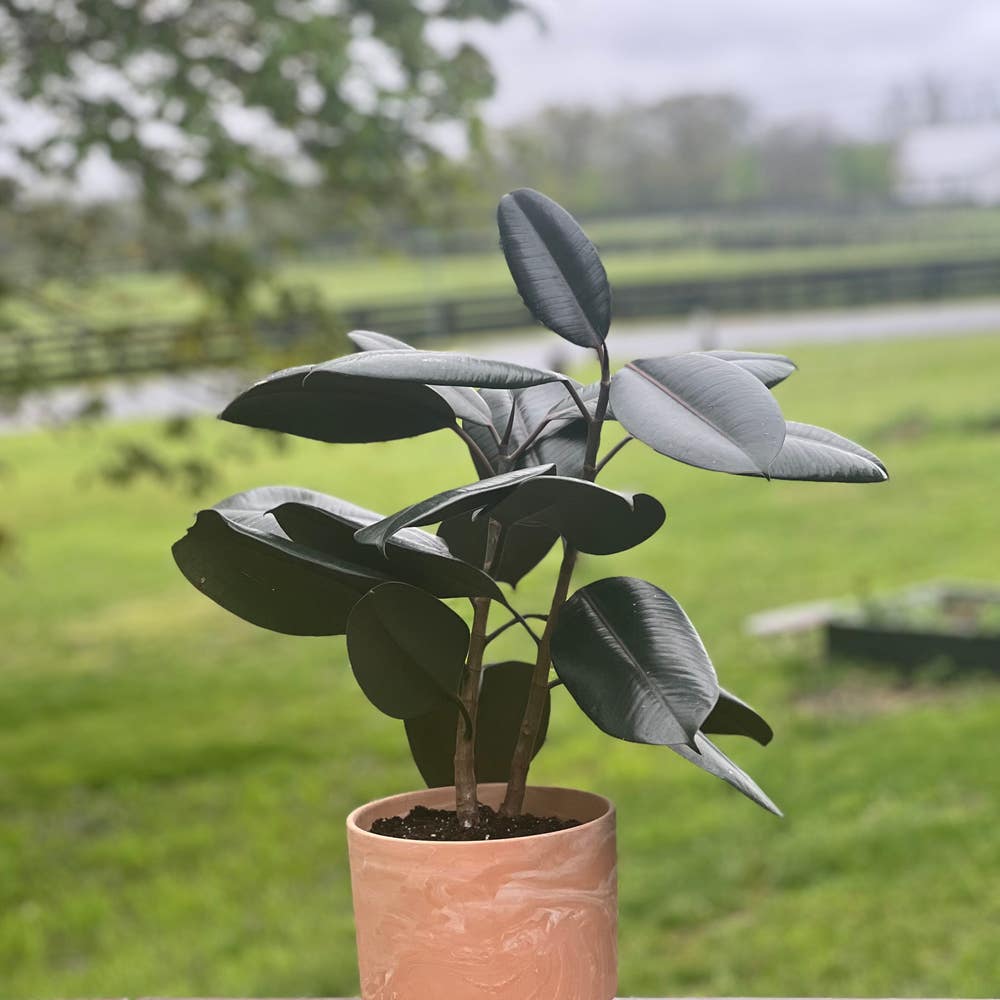
Ficus 'Burgundy' is a striking houseplant, known for its glossy, dark green leaves that add a touch of elegance to any space. This beauty can grow impressively tall, reaching up to 10 feet indoors, making it a stunning focal point in your home.
🐾 Most Appealing Parts to Animals
Herbivores are particularly drawn to the young shoots of the Ficus 'Burgundy'. These tender, nutritious shoots are like a gourmet meal for them.
The fruits of the plant are also sweet and enticing, attracting various herbivores eager for a tasty snack.
Additionally, the lush foliage of the leaves serves as an inviting buffet, making this plant a target for feeding animals.
Understanding these appealing features can help you take proactive steps to protect your Ficus 'Burgundy' from potential herbivore damage.
Next, we’ll explore the common herbivores that might be eyeing your beloved plant.
Common Herbivores
🦌 Deer
Signs of presence
Deer are often the first culprits when it comes to damage to your Ficus 'Burgundy.' Look for distinct hoof prints in the soil and irregularly chewed leaves and stems.
Type of damage caused
Their browsing can lead to significant leaf stripping, which affects both the health and aesthetics of your plant. Additionally, stunted growth can occur, resulting in long-term damage.
Interaction
Deer are generally harmful to your Ficus, especially young plants, as they can decimate growth and hinder overall health.
Deterrent methods (difficulty: moderate)
To keep deer at bay, consider erecting 8-foot tall fences to prevent access. You can also use commercial deer repellents or homemade solutions like garlic spray to deter them.
🐇 Rabbits
Signs of presence
Rabbits leave their mark with clean cuts on young shoots and small, round droppings near the plant. These signs indicate their presence and potential damage.
Type of damage caused
Severe leaf loss from rabbit feeding can significantly affect photosynthesis and growth. Additionally, they can cause bark damage that girdles stems, potentially leading to plant death.
Interaction
Like deer, rabbits are generally harmful and can weaken your Ficus considerably.
Deterrent methods (difficulty: easy)
To protect your plants, use netting to cover them and prevent access. Natural repellents, such as scents like peppermint or cayenne, can also be effective.
🐿️ Squirrels
Signs of presence
Squirrels can be identified by chewed bark, exposing wood on trunks and branches, and nests visible in nearby trees or structures.
Type of damage caused
Their bark stripping can lead to disease and decay, while seed and fruit theft reduces your plant's reproduction potential.
Interaction
Squirrels are generally harmful, weakening your Ficus and reducing its yield.
Deterrent methods (difficulty: moderate)
Employ scare tactics, like using reflective objects or noise devices, to deter squirrels. Live traps can also be set up for relocation.
🐦 Birds
Signs of presence
Look for pecked fruits that show visible damage and nests found in or around your plant as signs of bird activity.
Type of damage caused
Birds can lead to fruit loss, reducing your harvest potential, and nesting damage can break branches or leaves.
Interaction
Birds have a mixed interaction with your Ficus; while some may cause damage, others can help with pest control.
Deterrent methods (difficulty: easy)
To protect your fruits, use netting to shield them from pecking. Hanging shiny objects can also deter birds effectively.
🐭 Rodents
Signs of presence
Rodents leave behind tunnels burrowing near the plant base and gnaw marks on chewed roots or stems.
Type of damage caused
They can cause root damage, leading to plant instability and death, as well as significant leaf loss that affects overall health and vigor.
Interaction
Rodents are generally harmful and can cause substantial damage to your Ficus.
Deterrent methods (difficulty: moderate)
Set up snap traps or live traps for removal. Habitat modification, such as clearing debris and tall grass, can reduce their hiding spots.
With a better understanding of these common herbivores, you can take proactive steps to protect your Ficus 'Burgundy.' Next, let's explore general protection strategies to safeguard your plant from these pesky visitors.
General Protection Strategies
Protecting your Ficus 'Burgundy' from herbivores requires a mix of preventive and reactive strategies. By implementing these methods, you can create a thriving environment for your plant while minimizing damage.
🛡️ Preventive Measures
Fencing
One of the most effective ways to deter larger herbivores is through fencing. An 8-foot tall barrier can keep deer and other large animals at bay, ensuring your plant remains safe.
Companion Planting
Consider companion planting to repel pests or attract beneficial insects. Pairing your Ficus with certain plants can create a natural defense system, enhancing your garden's overall health.
⚠️ Reactive Solutions
Removal of Damaged Parts
If you notice any damage, promptly remove affected parts. Pruning not only improves the plant's appearance but also encourages new growth, helping your Ficus recover.
Monitoring
Regular inspections are crucial for early detection of animal damage. Keeping an eye out for signs of herbivores allows you to take action before significant harm occurs.
🌍 Balancing Ecosystem Health
Encouraging Beneficial Wildlife
While protecting your Ficus, consider the broader ecosystem. Encouraging beneficial wildlife can help manage harmful interactions, creating a balanced environment.
By combining these strategies, you can effectively safeguard your Ficus 'Burgundy' while fostering a healthy garden ecosystem. Next, let’s explore the seasonal considerations that impact herbivore activity and plant vulnerability.
Seasonal Considerations
🌱 Seasonal Variations in Animal Attraction
Understanding the seasonal behavior of herbivores is crucial for protecting your Ficus 'Burgundy'. In spring, as the weather warms, these animals become more active, drawn to the tender young shoots that emerge.
During summer, the focus shifts to the luscious fruits and foliage. This is when your plant becomes a buffet for various herbivores, making it essential to stay vigilant.
⏰ Timing of Plant Vulnerability
The vulnerability of your Ficus 'Burgundy' varies throughout the year. Young shoots in spring are particularly susceptible to browsing, as they offer a nutritious meal for hungry herbivores.
As summer rolls in, the ripe fruits present a high risk of damage from birds and rodents. This timing is critical for implementing protective measures to safeguard your plant's health and productivity.
By being aware of these seasonal patterns, you can better prepare and protect your beloved Ficus from potential threats. Next, let’s explore some general protection strategies to keep your plant thriving year-round.
Toxicity and Safety
Ficus 'Burgundy' produces latex, which can be irritating or even toxic to some herbivores. This natural defense mechanism serves as a warning to animals that might consider munching on its leaves.
While this latex can deter certain pests, it also means that some herbivores may avoid the plant altogether. This can be beneficial, as it reduces the risk of damage from those animals that are sensitive to the latex.
Understanding the toxicity of Ficus 'Burgundy' helps gardeners make informed decisions about plant placement and protection strategies. By knowing which animals might be deterred, you can better manage your garden's ecosystem and keep your beloved ficus thriving.
As you cultivate your Ficus 'Burgundy', remember that its latex production is just one aspect of its complex relationship with wildlife. This knowledge empowers you to create a balanced environment that supports both your plants and the local fauna.
Next, let's explore some general protection strategies to safeguard your Ficus 'Burgundy' from potential threats.
⚠️ Safety First
This content is for general information and may contain errors, omissions, or outdated details. It is not medical, veterinary advice, or an endorsement of therapeutic claims.
Always consult a qualified healthcare professional before using any plant as food, medicine, or supplement.
Never eat any plant (or feed one to pets) without confirming its identity with at least two trusted sources.
If you suspect poisoning, call Poison Control (800) 222-1222, the Pet Poison Helpline (800) 213-6680, or your local emergency service immediately.
Spotted an error? Please report it here.
Safeguard your Ficus 'Burgundy' from herbivores with Greg's tailored care tips 🛡️ that ensure your plant flourishes while keeping those hungry pests away!