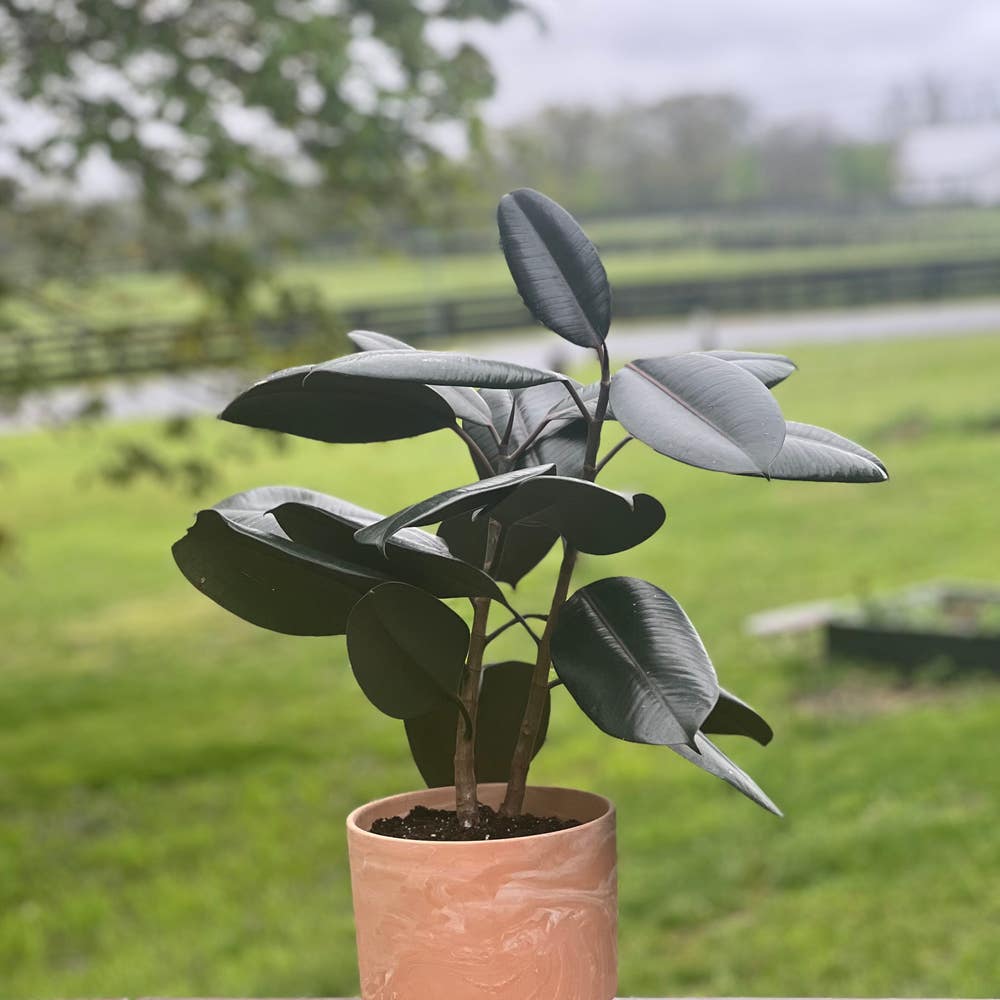
Top 6 Signs Your Ficus 'Burgundy' is Stressed in Winter ❄️
Ficus elastica 'Burgundy'
By the Greg Editorial Team
Jan 08, 2025•5 min read
This article was created with the help of AI so we can cover more plants for you. May contain errors. See one? Report it here.
Ensure your Ficus 'Burgundy' thrives this winter with essential care tips to combat stress! 🌱❄️
- 🍂 Leaf drop and discoloration indicate winter stress in your Ficus 'Burgundy'.
- 🌡️ Monitor humidity and temperature to prevent stress and promote healthy growth.
- 🐜 Watch for pests like spider mites; early detection is key to plant health.
Signs of Stress in Winter
🍂 Leaf drop and discoloration
One of the most noticeable signs of stress in your Ficus 'Burgundy' is leaf drop and discoloration. Yellowing leaves can indicate various issues, such as overwatering or nutrient deficiencies, which can lead to serious implications for your plant's health.
Leaf drop can be normal during seasonal changes, but if it occurs excessively, it may signal stress. Monitoring your plant's leaf health is crucial; it provides insight into its overall condition and helps you take timely action.
📉 Stunted growth and wilting
Stunted growth is another red flag during winter months. If you notice a lack of new growth, it could mean your Ficus is struggling to adapt to the colder environment.
Wilting, even with adequate watering, is a common symptom of stress. Factors like low light and temperature fluctuations can contribute to this issue, making it essential to assess your plant's surroundings.
🐜 Pests and diseases during winter
Winter can also bring unwanted pests to your Ficus 'Burgundy'. Spider mites are particularly troublesome; they can be identified by their fine webbing and cause significant damage if left unchecked.
Other pests, such as scale and aphids, may also invade your plant during this time. Additionally, keep an eye out for signs of disease, especially fungal infections, which can manifest as spots or mold on leaves.
Winter Care Techniques
Adjusting watering schedules for winter 🌨️
During winter, it's crucial to modify your Ficus 'Burgundy' watering schedule. Reducing the frequency of watering helps prevent root rot, as the plant's growth slows down in colder months.
To assess soil moisture levels, stick your finger about an inch into the soil. If it feels dry, it's time to water; if it's still moist, hold off for a few days.
Fertilizing practices during dormancy ❄️
Winter is not the time for heavy fertilization. Instead, focus on low-nitrogen fertilizers, applying them sparingly during dormancy to support your plant without overwhelming it.
Timing is key; fertilize only when you notice signs of new growth in late winter or early spring. Over-fertilization can lead to stress, so always err on the side of caution.
Providing adequate humidity levels 💧
Ficus 'Burgundy' thrives in humidity levels between 40-60%. Maintaining this range is essential for keeping your plant healthy during the dry winter months.
To boost indoor humidity, consider using humidifiers. Alternatively, placing pebble trays filled with water under your plant or grouping it with other plants can create a more humid microenvironment.
These winter care techniques will help your Ficus 'Burgundy' not only survive but thrive until spring. Next, let's explore how to protect your plant from frost and other winter challenges.
Protection from Frost
Indoor vs. Outdoor Placement 🌡️
When it comes to protecting your Ficus 'Burgundy' from frost, placement is key. For indoor settings, avoid drafts and cold windows to maintain a stable environment.
Aim for an optimal room temperature between 65°F to 75°F (18°C to 24°C). This range helps your plant thrive and minimizes stress during the colder months.
Using Frost Cloths and Other Protective Measures 🧣
Frost cloths are a fantastic way to shield your Ficus 'Burgundy' from harsh winter conditions. These lightweight covers trap heat while allowing moisture and light to penetrate, making them effective for outdoor protection.
In addition to frost cloths, consider using mulch and barriers to insulate the roots and protect against cold winds. Timing is crucial; apply these protective measures before the first frost to ensure your plant is adequately shielded.
Monitoring Temperature Fluctuations 📈
Keeping an eye on temperature fluctuations is essential for your Ficus 'Burgundy'. The ideal temperature range is crucial for its health, as extreme changes can lead to stress.
Watch for signs of temperature stress, such as leaf curling and discoloration. Utilize thermometers or smart home devices to monitor conditions effectively, ensuring your plant remains in its comfort zone.
With these protective measures in place, your Ficus 'Burgundy' will be better equipped to handle the winter chill. Next, let’s explore how to prepare your plant for the upcoming spring growth.
Spring Preparation and Recovery
🌱 Signs of recovery from winter stress
As winter fades, your Ficus 'Burgundy' will show signs of recovery. Look for new leaf growth and vibrant color as indicators of its return to health.
Improved overall vigor is another positive sign. You can expect these changes to manifest as the days grow longer and warmer in spring.
🌼 Preparing for spring growth
To prepare your Ficus 'Burgundy' for spring, start by gradually reintroducing it to sunlight. This helps prevent shock and encourages healthy growth.
Adjusting your watering and fertilizing schedules is also crucial. As the plant wakes from dormancy, it will need more nutrients and moisture to thrive.
✂️ Pruning and care after winter damage
Timing is key when it comes to pruning. Aim to do this in early spring, after the risk of frost has passed.
When pruning, focus on removing dead or damaged leaves. This not only improves the plant's appearance but also promotes healthier growth.
Post-pruning care is essential for recovery. Ensure your Ficus 'Burgundy' has optimal conditions, including proper light and moisture, to bounce back effectively.
With these steps, your Ficus 'Burgundy' will be well on its way to flourishing in the warmer months ahead. Transitioning into spring care is vital for maintaining its health and beauty.
Common Misconceptions
🌨️ Myths about cold hardiness
Many plant enthusiasts mistakenly believe that Ficus 'Burgundy' can withstand extreme cold. In reality, this plant has specific cold tolerance limits, and exposure to frost can lead to serious damage.
Understanding these limits is crucial for maintaining a healthy Ficus. Proper frost protection measures, such as bringing the plant indoors or using protective coverings, are essential in colder climates.
💤 Clarifying dormancy vs. stress symptoms
It's important to differentiate between normal dormancy and stress symptoms in your Ficus 'Burgundy'. Healthy dormancy is characterized by a natural slowdown in growth, while stress indicators may include yellowing leaves or wilting.
Recognizing these signs can help you provide the right care. By ensuring optimal conditions during dormancy, you can mitigate stress and support your plant's overall health.
⚠️ Safety First
This content is for general information and may contain errors, omissions, or outdated details. It is not medical, veterinary advice, or an endorsement of therapeutic claims.
Always consult a qualified healthcare professional before using any plant as food, medicine, or supplement.
Never eat any plant (or feed one to pets) without confirming its identity with at least two trusted sources.
If you suspect poisoning, call Poison Control (800) 222-1222, the Pet Poison Helpline (800) 213-6680, or your local emergency service immediately.
Spotted an error? Please report it here.
Recognizing your Ficus 'Burgundy's stress signals this winter is key to its survival, and with Greg's custom care reminders and expert tips, you can ensure it not only survives but thrives! 🌿