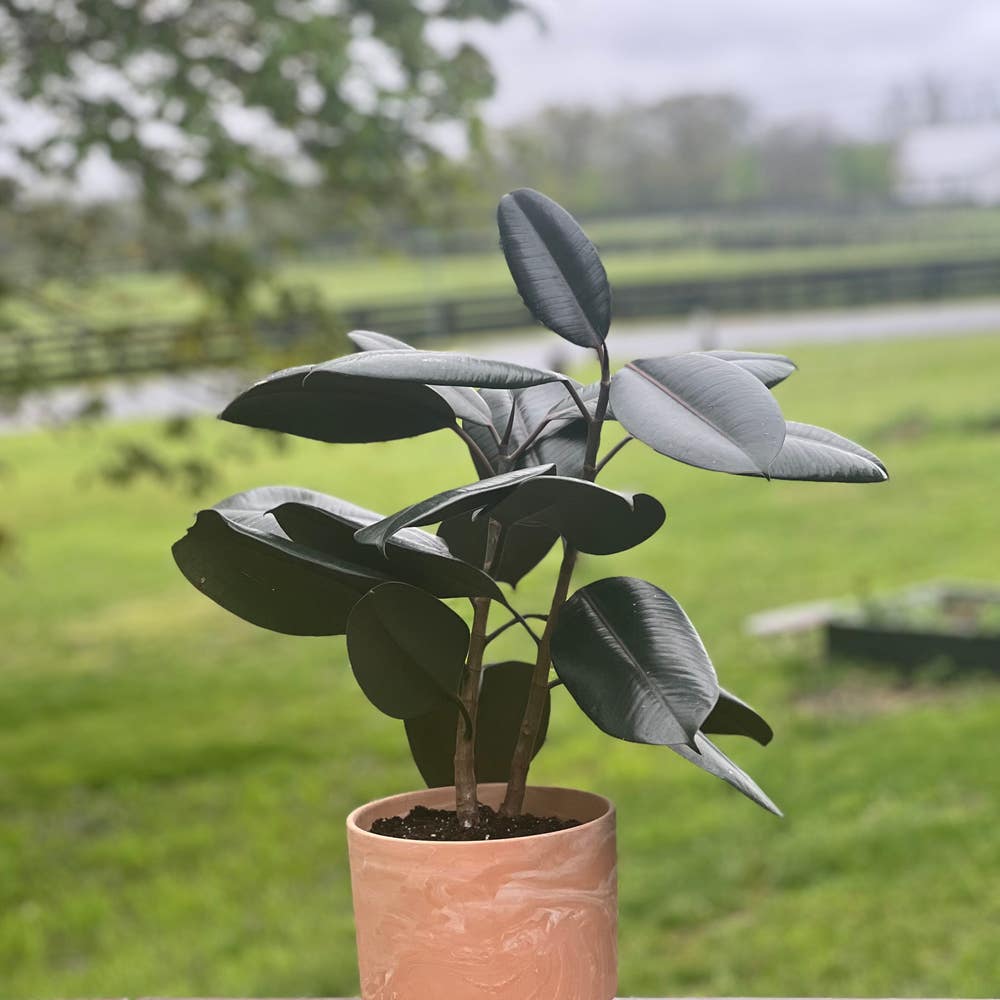
Best Ways to Protect Purple Rubber Plant from Frost 🛌
Ficus elastica 'Burgundy'
By the Greg Editorial Team
Oct 17, 2024•5 min read
This article was created with the help of AI so we can cover more plants for you. May contain errors. See one? Report it here.
Ensure your purple rubber plant thrives this winter with essential frost protection tips! ❄️🌱
- ❄️ Start frost protection as temperatures drop in late fall for your purple rubber plant.
- 🌱 Use frost cloths, not plastic, to protect against mold while shielding your plant.
- 🌡️ Maintain indoor temps between 65°F and 75°F for optimal growth during winter.
Frost Protection Strategies
Best Practices for Outdoor Protection from Frost ❄️
Timing is crucial when it comes to protecting your purple rubber plant from frost. Start implementing frost protection measures as soon as temperatures begin to drop, typically in late fall.
Covering your plants is an effective way to shield them from frost. Use frost cloths or blankets for insulation, but steer clear of plastic covers, as they can trap moisture and lead to mold.
Mulching is another essential strategy. Apply a thick layer of mulch around the base of your plant to insulate the roots. Recommended materials include straw, wood chips, or shredded leaves, all of which provide excellent thermal protection.
Indoor Care Tips to Prevent Frost Exposure 🏠
For indoor care, placement is key. Keep your purple rubber plant away from drafty windows and doors to minimize exposure to cold air.
Aim for an optimal room temperature between 65°F to 75°F (18°C to 24°C). This range helps maintain the plant's health and prevents frost damage.
Humidity is another important factor. Consider using a humidifier or pebble trays to keep humidity levels up. Regular misting can also help prevent leaf desiccation, ensuring your plant stays vibrant and healthy.
By following these strategies, you can effectively protect your purple rubber plant from frost, both outdoors and indoors. Next, let’s explore how to adjust your watering and fertilizing routines during the winter months.
Watering and Fertilizing Adjustments
🌨️ Adjusting Watering Schedules During Winter
During winter, your purple rubber plant needs less water. A good rule of thumb is to water only when the top inch of soil feels dry.
Overwatering can lead to root rot, which is a common issue in colder months. Keep an eye out for yellowing leaves and mushy stems, as these are clear signs that your plant is getting too much water.
❄️ Fertilizing Needs During the Dormant Phase
When winter hits, it’s best to pause fertilizing. Wait until spring to resume feeding your plant, as it’s in a dormant phase and doesn’t require extra nutrients.
Once growth picks up again, opt for balanced fertilizers to support recovery. Proper nutrient management is crucial for your plant to bounce back and thrive after the winter months.
As you adjust your watering and fertilizing routines, remember that these small changes can significantly impact your plant's health. Next, let’s explore how to prepare for spring growth after the winter dormancy.
Spring Preparation and Recovery
🌱 Signs of Recovery from Winter Damage
As spring approaches, keep an eye out for signs that your purple rubber plant is bouncing back. Look for the emergence of new leaves and shoots, which indicate that your plant is ready to thrive again.
Another positive sign is improved leaf color and turgidity. Healthy, vibrant leaves are a clear indication that your plant is recovering well from winter's harsh conditions.
🌼 Preparing for Spring Growth After Winter Dormancy
To help your plant transition smoothly into spring, start with a gradual reintroduction to sunlight. Acclimating your purple rubber plant to brighter conditions will prevent shock and promote healthy growth.
Next, resume your regular watering and fertilizing schedules. Monitoring soil moisture and nutrient levels is crucial during this phase to ensure your plant gets the right care.
Don’t forget to prune any damaged leaves. This technique not only tidies up your plant but also encourages new growth, setting the stage for a flourishing spring.
With these steps, your purple rubber plant will be well on its way to thriving in the warmer months ahead. Now, let’s explore the cold hardiness and temperature tolerance of this resilient plant.
Cold Hardiness and Temperature Tolerance
🌨️ Understanding the Cold Hardiness of Ficus elastica
Ficus elastica, commonly known as the rubber plant, is sensitive to frost. Ideal conditions for this plant typically involve temperatures above 50°F (10°C), as exposure to colder temperatures can lead to damage.
❄️ Ideal Temperature Ranges for Winter Care
To keep your rubber plant thriving during winter, aim for a daytime temperature between 65°F and 75°F (18°C to 24°C). At night, maintain temperatures between 55°F and 65°F (13°C to 18°C) to ensure optimal health.
Stable temperatures are crucial for preventing stress in your plant. Fluctuations can lead to weakened growth and increased vulnerability to pests and diseases.
By understanding these temperature guidelines, you can better protect your Ficus elastica from the harsh winter elements. This knowledge sets the stage for effective winter care and prepares you for the next steps in nurturing your plant.
Plant Protection Tips
🌨️ General Tips for Winter Care
Keeping a close eye on your purple rubber plant during winter is crucial. Regular monitoring for signs of stress or damage can help you catch issues before they escalate.
📱 Use Technology to Your Advantage
Consider utilizing the Greg plant care app. This handy tool can send you reminders for watering and care adjustments, ensuring your plant gets the attention it needs.
📝 Create a Winter Care Checklist
A winter care checklist can be a game-changer. It helps you cover all aspects of plant care, from watering schedules to frost protection measures.
🚀 Stay Proactive
Being proactive is key to maintaining a healthy plant. Regular checks and adjustments can make all the difference in keeping your purple rubber plant thriving through the colder months.
🌱 Embrace the Journey
Caring for your plant during winter can be a rewarding experience. With the right strategies and tools, you can ensure your purple rubber plant not only survives but flourishes.
As you prepare for the upcoming spring, remember that your efforts now will pay off in vibrant growth and health.
⚠️ Safety First
This content is for general information and may contain errors, omissions, or outdated details. It is not medical, veterinary advice, or an endorsement of therapeutic claims.
Always consult a qualified healthcare professional before using any plant as food, medicine, or supplement.
Never eat any plant (or feed one to pets) without confirming its identity with at least two trusted sources.
If you suspect poisoning, call Poison Control (800) 222-1222, the Pet Poison Helpline (800) 213-6680, or your local emergency service immediately.
Spotted an error? Please report it here.
Keep your purple rubber plant frost-free ❄️ this winter with Greg's tailored reminders and care tips, ensuring it thrives and flourishes come spring!