How to Cure Brown Spots on Your Ficus 'Burgundy' 🩹
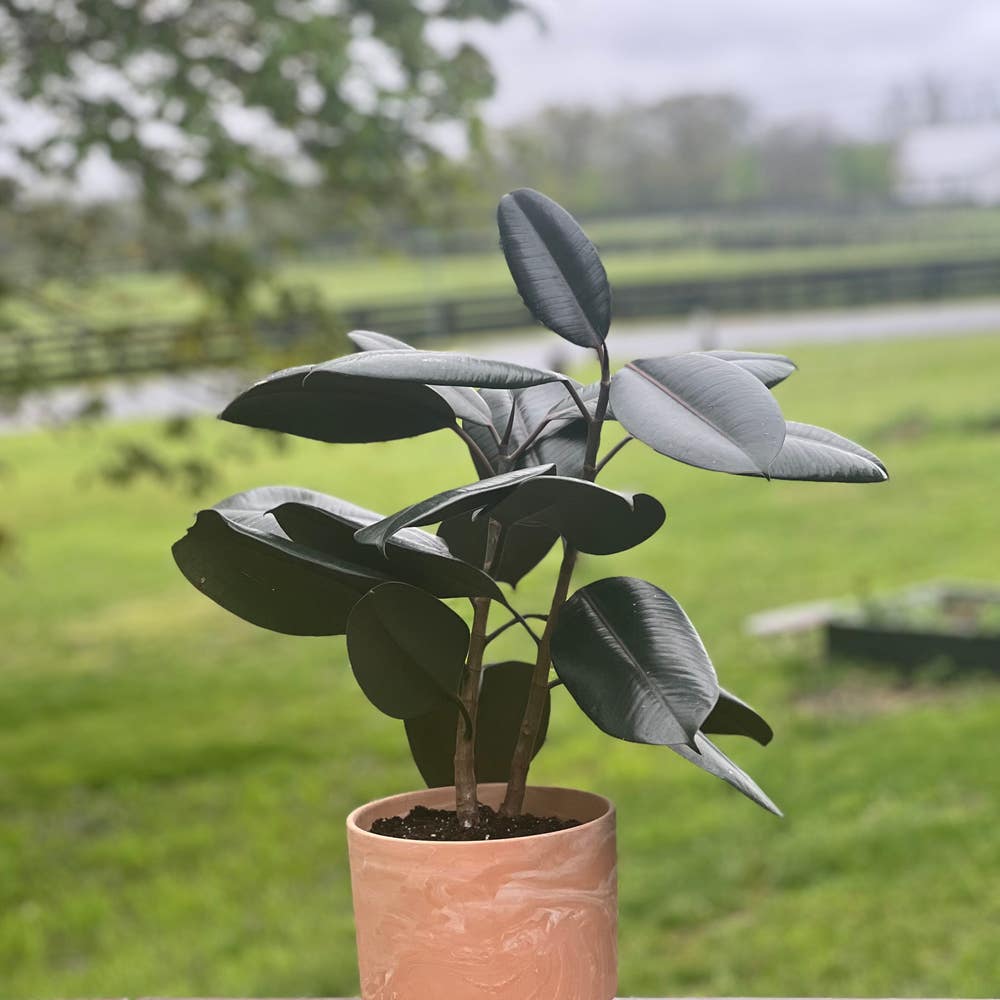
Ficus elastica 'Burgundy'
By the Greg Editorial Team
Jan 08, 2025•7 min read
This article was created with the help of AI so we can cover more plants for you. May contain errors. See one? Report it here.
Revive your Ficus 'Burgundy' from brown spots 🌱 with expert tips for diagnosis and treatment to ensure vibrant growth!
- 🌧️💧 Brown spots arise from overwatering, underwatering, or nutrient deficiencies.
- 🦠 Fungal infections and pests like spider mites can also cause brown spots.
- 🌱 Regular care and monitoring prevent and treat brown spots effectively.
Causes of Brown Spots
💧 Overwatering and Root Rot
Brown spots on your Ficus 'Burgundy' often signal overwatering. Look for yellowing leaves and mushy roots, which indicate that excessive moisture is leading to root decay.
Proper drainage is crucial. Always ensure your pots have drainage holes to prevent water accumulation, which can exacerbate root rot.
🚰 Underwatering and Leaf Dehydration
On the flip side, underwatering can also cause brown spots. Symptoms include crispy leaf edges, browning spots, and drooping leaves, all signs that your plant is thirsty.
If you notice the soil pulling away from the pot edges or dry topsoil, it’s time to water. Infrequent watering leads to insufficient moisture uptake, stressing your plant.
🥦 Nutrient Deficiencies
Nitrogen Deficiency
A lack of nitrogen can manifest as yellowing leaves with brown spots and stunted growth. Nitrogen is vital for leaf health and overall growth, so keep an eye on your plant's nutrient levels.
Potassium Deficiency
Potassium deficiency presents as marginal leaf browning and necrosis. This nutrient plays a key role in overall plant health and disease resistance, making it essential for your Ficus.
🍄 Fungal Infections
Leaf Spot Disease
Fungal infections, particularly leaf spot disease, can lead to dark brown or black spots with yellow halos. These pathogens thrive in overly moist conditions, so early detection is crucial to prevent spread.
🕷️ Pest Infestations
Spider Mites
Spider mites can wreak havoc on your Ficus, leaving fine webbing and stippled leaves. These small, spider-like insects often hide on the undersides of leaves, making them tricky to spot.
Scale
Scale insects are another concern, presenting as small, hard bumps on stems and leaves. They can cause sticky residue on leaves, leading to yellowing and browning, which can affect your plant's health.
Understanding these causes is the first step in addressing brown spots on your Ficus 'Burgundy'. Next, we’ll explore how to diagnose these issues effectively.
Diagnosing Brown Spots
🌊 Identifying Symptoms of Overwatering vs. Underwatering
Understanding the symptoms of overwatering and underwatering is crucial for your Ficus 'Burgundy'. Overwatering typically manifests as yellowing leaves and root rot, while underwatering leads to crispy leaf edges and drooping foliage.
🥦 Recognizing Signs of Nutrient Deficiencies
Nutrient deficiencies can also cause brown spots. A nitrogen deficiency often results in yellowing leaves and stunted growth, whereas potassium deficiency presents as marginal browning and necrosis.
🐛 Differentiating Between Fungal and Pest-Related Issues
It's essential to differentiate between fungal infections and pest infestations. Fungal issues usually show as dark spots with yellow halos, while pests like spider mites leave fine webbing. In contrast, visible insects and sticky residue indicate scale infestations.
🌡️ Assessing Environmental Conditions
Environmental conditions play a significant role in your plant's health. Maintain a consistent temperature between 60°F to 75°F (15°C to 24°C) and regularly monitor humidity levels with a hygrometer to ensure optimal growth conditions.
By diagnosing these issues accurately, you can take the necessary steps to restore your Ficus 'Burgundy' to its vibrant self. Next, let’s explore effective treatment options for those pesky brown spots.
Treatment Options for Brown Spots
🌊 Adjusting Watering Practices
Establishing a consistent watering schedule is crucial for your Ficus 'Burgundy'. Check the soil moisture regularly and use the finger test: insert your finger into the soil and water if the top 1-2 inches are dry.
Ensure your pot has proper drainage to prevent root rot. This simple adjustment can make a significant difference in the health of your plant.
🌱 Fertilization Strategies for Nutrient Deficiencies
To combat nutrient deficiencies, use a balanced fertilizer with an N-P-K ratio of 10-10-10. Apply this every 4-6 weeks during the growing season to support healthy growth.
Keep an eye on your plant's leaf color and overall growth for signs of improvement. Adjust your fertilization routine as needed based on your observations.
🦠 Fungicide Application for Fungal Infections
Identifying the type of fungus affecting your plant is the first step in treatment. Once identified, apply a suitable fungicide according to the label instructions to effectively combat the infection.
Ensure proper air circulation around your Ficus to reduce humidity, which can help prevent future fungal issues.
🐞 Pest Control Methods
Insecticidal Soap
For pest infestations, insecticidal soap can be a game-changer. Spray it directly on the affected areas and repeat every 7-10 days until you see control over the pests.
Neem Oil
Another effective option is neem oil. Mix it with water and spray it on the leaves; this natural remedy acts as both a pesticide and fungicide, providing dual protection for your plant.
✂️ Pruning Affected Leaves
Pruning is essential for maintaining plant health. Use clean, sharp scissors to remove any damaged leaves, ensuring you dispose of them properly to prevent disease spread.
Monitor your plant for new growth and signs of recovery. This proactive approach will help your Ficus bounce back stronger than before.
With these treatment options, you can effectively address brown spots on your Ficus 'Burgundy' and promote a healthier, more vibrant plant. Next, let’s explore how to prevent brown spots from occurring in the first place.
Preventing Brown Spots
💧 Best Watering Practices
Watering your Ficus 'Burgundy' correctly is crucial for preventing brown spots. Always check the top 1-2 inches of soil; if it's dry, it's time to water.
Using room temperature water helps avoid shocking the plant. This simple step can make a significant difference in your plant's health.
🌱 Ideal Soil Conditions and Drainage
Choosing the right soil is essential for your plant's well-being. Opt for a well-draining potting mix, such as a peat-based option, to keep moisture levels balanced.
Ensure your pots have drainage holes to prevent water accumulation. This will help avoid root rot and keep your Ficus thriving.
🗓️ Regular Fertilization Schedule
A consistent fertilization routine supports healthy growth. Fertilize your Ficus every 4-6 weeks during the growing season.
Adjust your fertilization based on how your plant responds. This attentiveness can lead to vibrant foliage and fewer brown spots.
🐞 Monitoring for Pests and Diseases
Regular inspections are key to catching issues early. Check leaves and stems for any signs of pests or diseases.
Keeping the area around your plant clean reduces the risk of disease. A little vigilance goes a long way in maintaining plant health.
🌬️ Maintaining Optimal Humidity and Temperature
Humidity and temperature play a significant role in your Ficus's health. Use a humidifier or a pebble tray to increase humidity levels around the plant.
Keep your Ficus in a stable temperature environment, ideally between 60°F to 75°F (15°C to 24°C). This stability helps prevent stress and promotes healthy growth.
By following these preventive measures, you can keep your Ficus 'Burgundy' healthy and vibrant, minimizing the risk of brown spots. Next, let’s explore how to care for your plant after treatment to ensure it continues to thrive.
Aftercare Following Treatment
Monitoring Recovery of Ficus 'Burgundy' 🌱
After treatment, keep a close eye on your Ficus 'Burgundy'. Look for signs of new growth and vibrant leaf color, which indicate that your plant is bouncing back.
Regularly check the soil moisture and environmental conditions. This will help you ensure that your plant is receiving the right care as it recovers.
Adjusting Care Routine Based on Plant Response 🔄
As your plant begins to show signs of recovery, be ready to adjust your care routine. Modify your watering and fertilization practices based on how your Ficus responds.
Be cautious not to over-fertilize during this recovery phase. Too much fertilizer can stress the plant further, so moderation is key.
Signs of Improvement to Look For 👀
Watch for new leaf growth, which should appear healthy and vibrant green. This is a strong indicator that your Ficus is on the mend.
Additionally, a reduction in brown spots and leaf drop signifies that your treatment efforts are paying off. Celebrate these small victories as they come!
Long-Term Care Tips to Prevent Recurrence 🛡️
To keep your Ficus thriving, establish a consistent care routine. Regular watering, appropriate fertilization, and monitoring will help maintain its health.
Make it a habit to check for environmental stressors regularly. Adjusting conditions as needed will help prevent future issues and keep your plant looking its best.
⚠️ Safety First
This content is for general information and may contain errors, omissions, or outdated details. It is not medical, veterinary advice, or an endorsement of therapeutic claims.
Always consult a qualified healthcare professional before using any plant as food, medicine, or supplement.
Never eat any plant (or feed one to pets) without confirming its identity with at least two trusted sources.
If you suspect poisoning, call Poison Control (800) 222-1222, the Pet Poison Helpline (800) 213-6680, or your local emergency service immediately.
Spotted an error? Please report it here.
Revive your Ficus 'Burgundy' and banish those brown spots 🌱 with Greg's tailored watering alerts and nutrient tips to keep your plant thriving and vibrant!