Ultimate Guide to Ficus 'Burgundy' Varieties ❤️
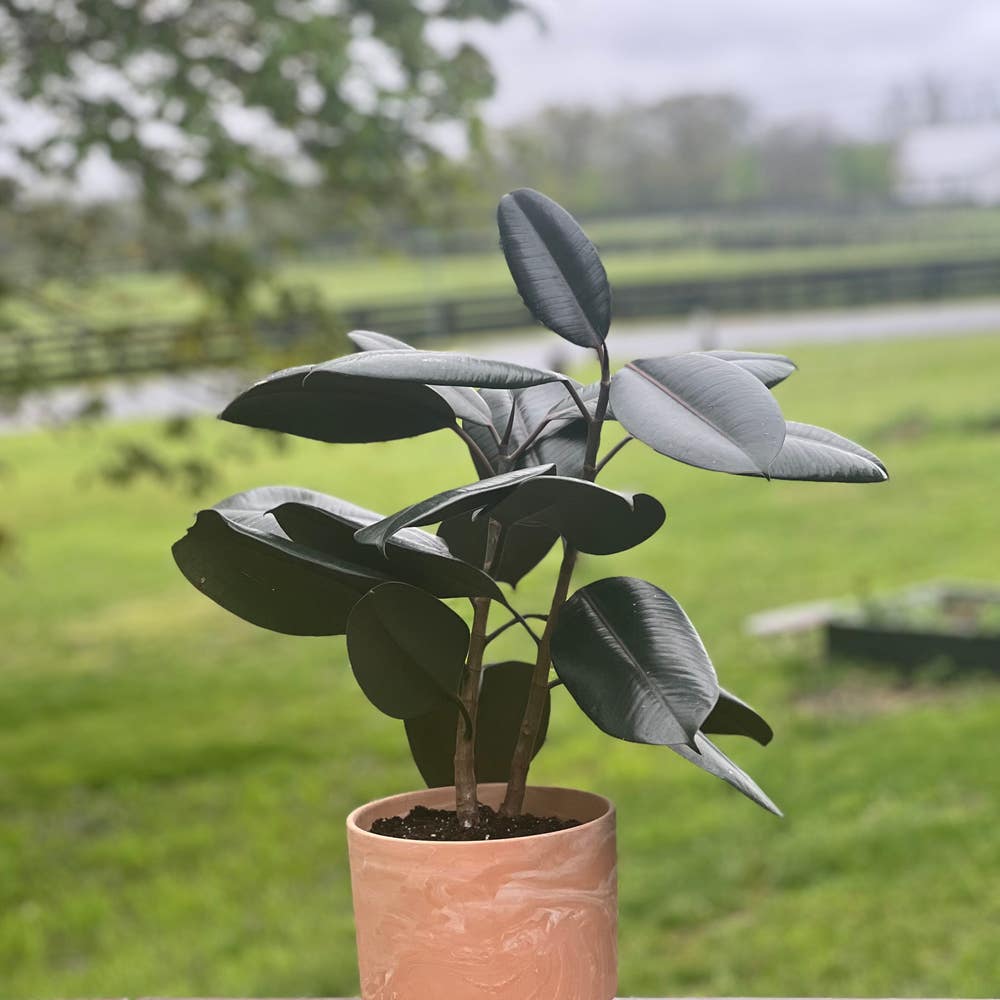
Ficus elastica 'Burgundy'
By the Greg Editorial Team
Jan 08, 2025•6 min read
This article was created with the help of AI so we can cover more plants for you. May contain errors. See one? Report it here.
Transform your indoor garden with vibrant Ficus 'Burgundy' cultivars and essential care tips for thriving plants! 🌱
- 🌱 Ficus 'Burgundy' varieties offer unique aesthetics and care needs for indoor gardening.
- 💡 Light conditions greatly influence leaf color; bright, indirect light enhances vibrancy.
- 🌿 Proper watering and potting mix are essential to prevent root rot and promote growth.
Popular Cultivars of Ficus 'Burgundy'
Ficus elastica 'Burgundy' 🌿
Ficus elastica 'Burgundy' is a standout with its deep burgundy leaves that boast a glossy finish. This cultivar can grow impressively tall, reaching up to 10 feet indoors, making it a striking addition to any space.
The leaves are notably larger than those of other cultivars, adding to its dramatic presence. It thrives in bright, indirect light but is surprisingly adaptable, tolerating lower light conditions as well.
Ficus elastica 'Ruby' 💖
Next up is Ficus elastica 'Ruby', which features a beautiful variegation of pink and cream alongside deep green. This cultivar has a moderate growth rate and is generally smaller than 'Burgundy', making it ideal for more compact spaces.
Its leaves are smaller and more delicate, requiring a bit more attention to light. To keep its vibrant colors, 'Ruby' needs ample light, so placement near a bright window is key.
Ficus elastica 'Tineke' 🎨
Ficus elastica 'Tineke' showcases creamy white and green variegation, offering a unique aesthetic. It grows to a similar height as 'Burgundy' but tends to have a bushier appearance, adding fullness to your plant collection.
The leaves are medium-sized and display unique patterns, making each plant distinct. 'Tineke' prefers bright, indirect light and consistent moisture, so regular care is essential for its health and vibrancy.
These popular cultivars of Ficus 'Burgundy' each bring their own flair and care requirements, allowing plant lovers to choose the one that best fits their lifestyle and aesthetic preferences. Next, we’ll explore the unique characteristics of each cultivar, diving deeper into their color variations and size differences.
Unique Characteristics of Each Cultivar
Color Variations 🎨
Ficus 'Burgundy' cultivars showcase a stunning array of colors. The deep burgundy of Ficus elastica 'Burgundy' stands out, while the variegated options like 'Ruby' and 'Tineke' offer delightful mixes of pink, cream, and green.
Light plays a crucial role in these color variations. Bright, indirect light enhances the vibrancy of the leaves, while lower light conditions may dull their hues.
Size Differences 📏
When it comes to height, Ficus 'Burgundy' cultivars vary significantly. The 'Burgundy' can grow up to 10 feet tall indoors, while 'Ruby' tends to be smaller and more compact.
Leaf size also differs among these varieties. Larger leaves of 'Burgundy' create a bold aesthetic, while the smaller, delicate leaves of 'Ruby' add a touch of elegance to any space.
Understanding these unique characteristics helps you choose the right cultivar for your home. Each variety brings its own charm, making it easier to find the perfect fit for your decor and lifestyle.
As we explore the special care requirements for these cultivars, you'll discover how to keep them thriving in your indoor garden.
Special Care Requirements for Specific Varieties
🌞 Light Preferences
Ficus 'Burgundy' cultivars generally thrive in bright, indirect light. However, they can adapt to lower light conditions, making them versatile houseplants.
For specific varieties, Ficus elastica 'Ruby' requires more light to maintain its vibrant pink and cream variegation. In contrast, Ficus elastica 'Tineke' also prefers bright, indirect light but can tolerate slightly shadier spots without losing its unique creamy patterns.
💧 Watering Needs
Watering frequency varies among the Ficus 'Burgundy' cultivars. Typically, these plants prefer their soil to dry out slightly between waterings, but it's essential to adjust based on the specific variety.
Signs of overwatering include yellowing leaves and root rot, while underwatering may cause leaf drop and crispy edges. Pay close attention to your plant's cues to ensure it remains healthy and vibrant.
🌱 Soil Types
For optimal growth, a well-draining potting mix is crucial for all Ficus 'Burgundy' varieties. A blend of potting soil, perlite, and orchid bark can provide the right balance of moisture retention and drainage.
Good drainage is particularly important for these cultivars, as they are susceptible to root rot if left in soggy soil. Always choose pots with drainage holes to promote healthy root development.
Transitioning to the next section, understanding the unique characteristics of each cultivar will help you appreciate the nuances of their care and maintenance.
Differences Among Ficus 'Burgundy' Cultivars
🌿 Comparison of Leaf Shapes and Sizes
Ficus 'Burgundy' cultivars showcase a variety of leaf shapes and sizes. The 'Burgundy' features broad, glossy leaves that can reach impressive lengths, while 'Ruby' has smaller, more delicate leaves, and 'Tineke' presents medium-sized leaves with unique variegation.
The shape of these leaves plays a crucial role in how each plant absorbs light. Wider leaves, like those of 'Burgundy', capture more sunlight, enhancing growth, whereas the smaller leaves of 'Ruby' may require more direct light to thrive.
📏 Growth Habits and Overall Plant Size
When it comes to growth habits, these cultivars differ significantly. The 'Burgundy' can grow up to 10 feet tall indoors, while 'Ruby' tends to be smaller and has a moderate growth rate. In contrast, 'Tineke' matches 'Burgundy' in height but boasts a bushier appearance.
Understanding these growth patterns is essential for plant placement. If you're looking for a tall statement piece, 'Burgundy' is your go-to, while 'Tineke' adds fullness to your space.
⏳ Variations in Growth Rate and Maintenance
Each cultivar also varies in growth rate and maintenance needs. 'Burgundy' generally grows faster, while 'Ruby' and 'Tineke' have slower growth rates, requiring less frequent pruning.
Maintenance schedules differ too. Regular pruning is essential for 'Tineke' to maintain its bushy shape, while 'Burgundy' may need repotting more often due to its rapid growth. Understanding these nuances helps ensure your Ficus thrives beautifully.
As you explore these differences, consider how each cultivar fits into your home environment. The unique characteristics of each Ficus 'Burgundy' variety can enhance your indoor space in distinct ways.
Rare and Hybrid Varieties of Ficus 'Burgundy'
🌱 Introduction to Rare Ficus 'Burgundy' Varieties
Rare Ficus 'Burgundy' varieties are those that are not commonly found in typical nurseries. These unique cultivars often feature distinct characteristics that set them apart from the more popular options.
Examples of rare cultivars include the Ficus elastica 'Black Prince', known for its dark, almost black leaves, and the Ficus elastica 'Burgundy Variegata', which showcases striking variegation. Each of these varieties brings something special to the table, making them coveted among plant enthusiasts.
🌿 Notable Hybrid Varieties and Their Characteristics
Hybrid varieties of Ficus 'Burgundy' result from crossbreeding different cultivars to create unique traits. For instance, the Ficus elastica 'Burgundy x Tineke' combines the deep burgundy leaves with the creamy variegation of 'Tineke', resulting in a stunning visual appeal.
These hybrids often exhibit enhanced resilience and adaptability, making them easier to care for than their parent plants. Their unique leaf patterns and colors can also make them standout pieces in any indoor garden.
🛒 Availability and Sourcing of Rare Cultivars
Finding rare Ficus 'Burgundy' varieties can be a thrilling adventure. Start by checking specialized plant nurseries that focus on rare and exotic plants. Online platforms like Etsy or dedicated plant websites often have sellers offering these unique cultivars.
Additionally, joining plant enthusiast groups on social media can provide leads on where to find these rare gems. Networking with fellow plant lovers can lead to discovering hidden sources and even trading opportunities.
⚠️ Safety First
This content is for general information and may contain errors, omissions, or outdated details. It is not medical, veterinary advice, or an endorsement of therapeutic claims.
Always consult a qualified healthcare professional before using any plant as food, medicine, or supplement.
Never eat any plant (or feed one to pets) without confirming its identity with at least two trusted sources.
If you suspect poisoning, call Poison Control (800) 222-1222, the Pet Poison Helpline (800) 213-6680, or your local emergency service immediately.
Spotted an error? Please report it here.
Elevate your indoor garden with the stunning Ficus 'Burgundy' varieties 🌱, and let Greg provide you with customized care reminders to ensure your plants thrive beautifully!