💜 Best Purple Rubber Plant Varieties
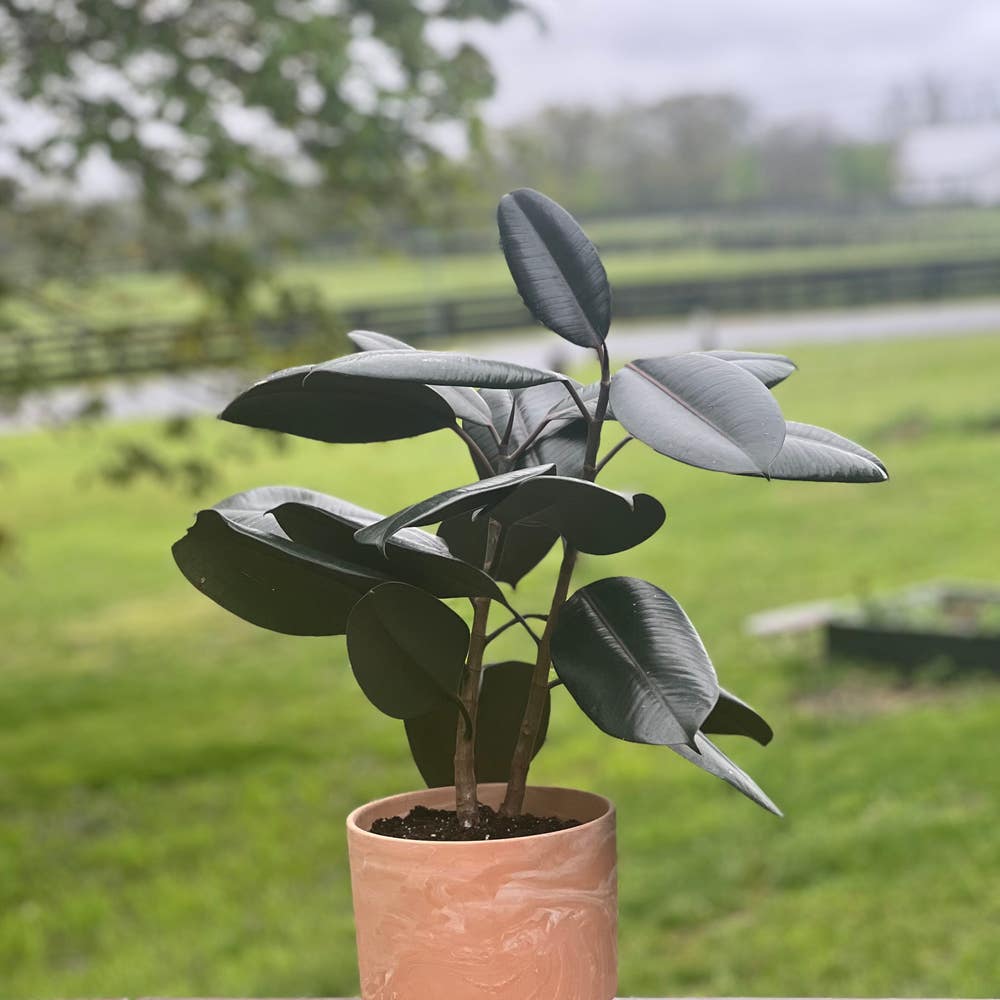
Ficus elastica 'Burgundy'
By the Greg Editorial Team
Oct 17, 2024•6 min read
This article was created with the help of AI so we can cover more plants for you. May contain errors. See one? Report it here.
Unlock the beauty of diverse Rubber Plant cultivars 🌱 and master their care for a thriving indoor garden!
- 🌱 Burgundy and Tineke are standout Rubber Plant varieties, each with unique colors and care.
- 💡 Light intensity is key for vibrant foliage; adjust for optimal growth and color.
- 🌈 Explore rare hybrids for unique colors and patterns, enhancing your indoor garden.
Popular Cultivars and Their Unique Traits
🌿 Burgundy Rubber Plant
Color and Size
The Burgundy Rubber Plant showcases deep burgundy to almost black foliage, making it a striking addition to any indoor space. This cultivar can grow impressively tall, reaching heights of 6 to 10 feet, perfect for creating a dramatic decor statement.
🎨 Tineke Rubber Plant
Variegation and Care
The Tineke Rubber Plant stands out with its unique cream and green variegation, adding a fresh twist to traditional rubber plants. Typically growing to a moderate size of 3 to 6 feet, it requires specific light conditions to maintain its beautiful variegation.
🌟 Other Notable Cultivars
In addition to Burgundy and Tineke, several other popular cultivars deserve mention. Each has its unique characteristics and care needs, making them suitable for various indoor environments.
- Ruby Rubber Plant: Features vibrant pinkish-red hues and grows up to 4-6 feet.
- Black Prince: Known for its dark leaves and compact size, reaching about 2-4 feet.
- Decora: Offers broad, glossy leaves and can grow between 4-8 feet.
These cultivars not only enhance your indoor aesthetic but also come with specific care requirements that cater to their unique traits.
As we explore the rare and hybrid varieties next, you'll discover even more fascinating options for your plant collection.
Rare and Hybrid Varieties
Description of Rare Cultivars 🌈
Rare Rubber Plant varieties are a treasure trove for plant enthusiasts. These unique cultivars often feature striking colors and patterns that set them apart from more common types.
Some notable rare varieties include the 'Ruby' Rubber Plant, known for its stunning pinkish-red variegation, and the 'Melany,' which boasts deep green leaves with a glossy finish. Each of these cultivars has distinct traits that make them a standout choice for collectors.
Unique Features of Hybrid Varieties 🔄
Hybrid Rubber Plants combine the best traits of their parent plants, resulting in unique characteristics. These hybrids often exhibit enhanced color variations and growth habits that can be more adaptable to different environments.
For instance, hybrids like the 'Burgundy' x 'Tineke' blend the rich hues of the Burgundy with the variegation of the Tineke. This fusion not only creates visual appeal but also offers a more resilient plant that can thrive under various care conditions.
In contrast to traditional cultivars, hybrids may require slightly different care, particularly in terms of light and watering. Understanding these differences can help you cultivate a thriving indoor garden.
As you explore these rare and hybrid varieties, consider how their unique features can enhance your plant collection. The right choice can bring a fresh burst of color and character to your space.
Color Variations in Purple Rubber Plants
🎨 Explanation of Color Variations
Purple Rubber Plants showcase a stunning range of colors, from deep burgundy to vibrant purple. These variations can be attributed to genetic differences among cultivars, as well as environmental factors like light exposure and soil conditions.
🌈 Factors Influencing Color Variations
Several factors influence the color of Rubber Plants. Light intensity plays a crucial role; brighter light often enhances the richness of the foliage. Additionally, nutrient availability and watering practices can affect color vibrancy, making care essential for maintaining those striking hues.
🌟 How Color Affects Care and Growth
Maintaining color vibrancy requires specific light conditions. For instance, deep burgundy varieties thrive in bright, indirect light, while those with more purple tones may need slightly less intensity to prevent leaf burn.
🌱 Impact of Color on Overall Plant Health and Growth Patterns
The color of your Rubber Plant can also indicate its health. Rich, vibrant colors often signal a well-cared-for plant, while faded or dull leaves may suggest stress or inadequate care. Monitoring these color changes can help you adjust your care routine effectively.
As you explore the captivating world of Rubber Plants, understanding their color variations will enhance your gardening experience. Next, we’ll delve into the size differences among various cultivars and how these impact indoor placement and care.
Size Differences Among Rubber Plant Cultivars
Comparison of Sizes 🌱
Rubber plants come in various sizes, making them versatile for different indoor spaces. Popular cultivars typically range from 3 to 10 feet tall, depending on the variety.
- Burgundy Rubber Plant: This striking plant can reach heights of 6-10 feet indoors, making it a bold statement piece.
- Tineke Rubber Plant: A more moderate option, it usually grows between 3-6 feet, perfect for smaller spaces.
Impact of Size on Indoor Placement and Care 📏
When choosing a Rubber Plant, size plays a crucial role in placement. Larger cultivars like the Burgundy require ample space and may need a sturdy pot to support their height.
Conversely, smaller varieties like the Tineke can fit comfortably on shelves or desks.
Care adjustments are also essential; larger plants may need more frequent watering and nutrients due to their size. Smaller cultivars, while easier to manage, still require attention to thrive.
Understanding these size differences helps ensure your Rubber Plant flourishes in its environment.
Special Care Requirements for Each Cultivar
Specific Care Needs 🌱
Caring for your Burgundy and Tineke Rubber Plants requires attention to their unique needs. The Burgundy cultivar thrives in bright, indirect light and prefers a well-draining potting mix.
For watering, allow the top inch of soil to dry out before giving it a drink. This helps prevent root rot, which can be a concern for this variety.
The Tineke cultivar, on the other hand, enjoys similar light conditions but needs a bit more humidity to maintain its stunning variegation. Water it when the top half of the soil feels dry, ensuring it doesn't sit in water.
Environmental Factors Influencing Growth 🌤️
Light, humidity, and temperature play crucial roles in the health of your Rubber Plants. Aim for bright, indirect light to keep both cultivars vibrant and growing.
Humidity levels should ideally be around 50% or higher. If your home is dry, consider using a humidifier or placing a pebble tray filled with water beneath the pots.
Temperature-wise, both cultivars prefer a range of 65°F to 80°F. Avoid placing them near drafts or heating vents to ensure they thrive.
By understanding these specific care requirements, you can create an optimal environment for your Burgundy and Tineke Rubber Plants. This will not only enhance their beauty but also promote healthy growth, setting the stage for a flourishing indoor garden.
Next, we'll explore the size differences among various Rubber Plant cultivars and how these can impact your indoor placement and care strategies.
⚠️ Safety First
This content is for general information and may contain errors, omissions, or outdated details. It is not medical, veterinary advice, or an endorsement of therapeutic claims.
Always consult a qualified healthcare professional before using any plant as food, medicine, or supplement.
Never eat any plant (or feed one to pets) without confirming its identity with at least two trusted sources.
If you suspect poisoning, call Poison Control (800) 222-1222, the Pet Poison Helpline (800) 213-6680, or your local emergency service immediately.
Spotted an error? Please report it here.
Elevate your indoor garden with stunning Purple Rubber Plants 🌿, and let Greg provide you with tailored care reminders to keep their colors vibrant and healthy!