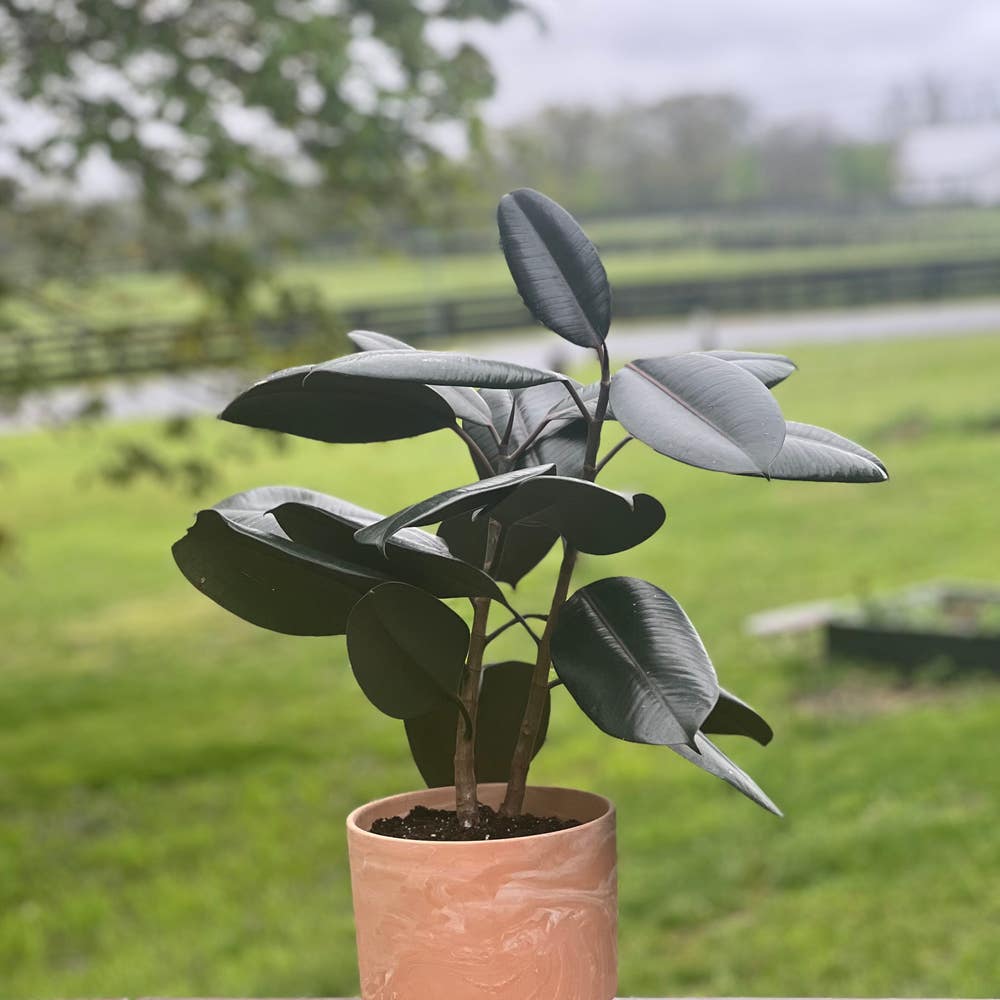
💜 7 Facts About Purple Rubber Plant Lifecycle
Ficus elastica 'Burgundy'
By the Greg Editorial Team
Oct 17, 2024•5 min read
This article was created with the help of AI so we can cover more plants for you. May contain errors. See one? Report it here.
Nurture your purple rubber plant 🌱 from seed to stunning centerpiece with these essential growth tips!
- 🌱 Germination takes 2-4 weeks; optimal conditions are key for success.
- 🌡️ Ideal temperature for growth is 70°F to 85°F (21°C to 29°C).
- 🌿 Mature plants can live over 20 years with proper care and conditions.
Germination Stage
Duration and Conditions for Germination 🌱
Germination of the purple rubber plant typically takes 2-4 weeks. To thrive, seeds need an optimal temperature range of 70°F to 85°F (21°C to 29°C) and a well-draining potting mix with a slightly acidic to neutral pH of 6.0-7.0.
Factors Affecting Germination Success 🌟
Several factors can influence the success of germination. Seed quality plays a crucial role; fresh seeds tend to have higher germination rates.
Maintaining consistent moisture is essential, but be cautious to avoid waterlogging. Additionally, providing indirect sunlight helps prevent seed desiccation, ensuring a better chance for those little sprouts to emerge.
With the right conditions and care, you're well on your way to nurturing a vibrant purple rubber plant. Next, let’s explore the exciting seedling stage!
Seedling Stage
🌱 Characteristics of Seedlings
During the seedling stage, your purple rubber plant showcases its initial charm. You'll notice small, oval leaves that can be either green or purple, adding a splash of color to your indoor space.
Typically, seedlings stand about 2-6 inches tall. This modest height is just the beginning of their growth journey.
⏳ Duration and Care During This Stage
This stage lasts around 4-8 weeks, during which true leaves will begin to emerge. Providing the right care is crucial for a healthy transition.
Ensure consistent moisture without overwatering. This balance will help your seedlings thrive as they prepare for the next phase of growth.
As you nurture your seedlings, keep an eye on their light exposure. Indirect sunlight is ideal, allowing them to develop without the risk of scorching.
With proper attention, your seedlings will soon be ready to take on the world, transitioning into the vegetative growth stage.
Vegetative Growth
🌱 Description of Growth Patterns
During the vegetative growth stage, the purple rubber plant showcases its impressive growth rate. Under ideal conditions, it can grow 1 to 2 feet per year, transforming your space with its lush presence.
As the plant matures, you'll notice larger, glossy leaves emerging. These leaves can shift in color from vibrant green to deep burgundy, adding a striking visual element to your indoor garden.
⏳ Duration and Environmental Needs
This growth phase can last several months to years, depending on the care and environment provided.
To thrive, the purple rubber plant needs plenty of light, consistent moisture, and a well-draining potting mix. Meeting these needs will ensure your plant flourishes and reaches its full potential.
As you nurture your rubber plant through this stage, you'll witness its transformation, setting the stage for the next exciting phase of its lifecycle.
Flowering Stage
Occurrence and Characteristics of Flowering 🌸
The flowering stage of the purple rubber plant is a fascinating yet elusive phase. While these plants rarely bloom indoors, they are more likely to produce flowers in their natural habitat.
When they do flower, expect small, inconspicuous blooms that lack the showiness of other plants. These flowers might not steal the spotlight, but they play a crucial role in the plant's lifecycle.
Duration and Conditions for Flowering ⏳
If conditions are just right, flowering can last several weeks. Factors such as humidity, temperature, and light exposure significantly influence this duration.
To encourage flowering, ensure your plant receives adequate care. A well-maintained environment can make all the difference in this rare yet beautiful stage of growth.
As we move on, let’s explore the intriguing process of seed production that follows flowering.
Seed Production
Process of Seed Production 🌱
The seed production of the purple rubber plant is a fascinating process that hinges on pollination. This plant relies on specific pollinators, particularly fig wasps, to facilitate seed development.
Once pollination occurs, seeds begin to form within the fruit. This intricate relationship between the plant and its pollinators is crucial for the continuation of the species.
Viability and Germination of Seeds 🌿
After successful pollination, the seeds can remain viable for several months. This longevity allows for a greater chance of germination when conditions are right.
Understanding this process is essential for anyone looking to propagate their purple rubber plant successfully. With the right care, you can witness the entire lifecycle unfold, from seed to a thriving plant.
As we explore the growth rate and maturation of the purple rubber plant, you'll see how these seeds contribute to its impressive journey.
Growth Rate and Maturation
🌱 How Long Until Fully Grown?
The purple rubber plant typically takes 5-10 years to reach maturity indoors. While it can grow up to 100 feet in its natural habitat, expect a more modest height of 6-10 feet when cultivated indoors.
⚡️ Factors Influencing Growth Rate
Several factors can significantly impact the growth rate of your purple rubber plant:
- Light Availability: More light leads to faster growth. Ensure your plant gets bright, indirect sunlight for optimal results.
- Watering Practices: Consistent moisture is key. Avoid waterlogging, but keep the soil evenly moist to promote healthy growth.
- Fertilization: Regular feeding during the growing season enhances growth. Use a balanced fertilizer to give your plant the nutrients it needs.
⏳ Average Lifespan
With proper care, the purple rubber plant can live for several decades, often exceeding 20 years indoors. This longevity makes it a rewarding addition to your home.
🔄 Notable Changes Throughout Lifecycle
As your purple rubber plant matures, you'll notice several changes:
- Germination: Small leaves begin to emerge.
- Seedling: True leaves develop, and the plant gains height.
- Vegetative: Expect changes in leaf size and color, along with thicker stems.
- Watering Frequency: This decreases as the plant matures, requiring less frequent watering.
- Fertilization: Adjustments are necessary based on the growth stage to ensure optimal health.
- Adaptation to Indoor Conditions: Over time, the plant becomes more tolerant to lower light and humidity levels.
Understanding these aspects of growth and maturation will help you nurture your purple rubber plant effectively. With the right care, you'll enjoy its beauty for many years to come. Next, let's explore the fascinating flowering stage of this remarkable plant.
⚠️ Safety First
This content is for general information and may contain errors, omissions, or outdated details. It is not medical, veterinary advice, or an endorsement of therapeutic claims.
Always consult a qualified healthcare professional before using any plant as food, medicine, or supplement.
Never eat any plant (or feed one to pets) without confirming its identity with at least two trusted sources.
If you suspect poisoning, call Poison Control (800) 222-1222, the Pet Poison Helpline (800) 213-6680, or your local emergency service immediately.
Spotted an error? Please report it here.
Unlock the secrets of your purple rubber plant's lifecycle and ensure its thriving growth 🌿 with Greg's tailored care reminders and expert tips for every stage!