🌸 The Meaning of Purple Rubber Plant Flowers
Ficus elastica 'Burgundy'
By the Greg Editorial Team
Oct 17, 2024•5 min read
This article was created with the help of AI so we can cover more plants for you. May contain errors. See one? Report it here.
Uncover why your Purple Rubber Plant rarely blooms indoors and celebrate its stunning foliage instead! 🌱
- 🌱 Purple Rubber Plants rarely flower indoors due to insufficient light and humidity.
- 🌼 Blooms are small and short-lived, focusing energy on lush foliage instead.
- 🌿 Optimal care encourages flowering: bright light, regular watering, and humidity boost blooms.
Flowering Status
The Purple Rubber Plant, while stunning, typically doesn't produce flowers when grown indoors. This is largely due to the specific environmental conditions it requires, which are often only found in its native habitat.
🌱 Reasons for Non-Flowering
Several environmental factors play a crucial role in the plant's flowering status. Light, humidity, and temperature are key elements that can inhibit blooming.
Additionally, the Purple Rubber Plant tends to focus its energy on lush foliage growth rather than on producing flowers. This means that even under optimal conditions, flowering may still be a rare occurrence indoors.
Understanding these dynamics can help you appreciate the plant's beauty, even in the absence of blooms. As we explore further, we’ll delve into what happens if your Purple Rubber Plant does flower, and how to encourage that process.
If Purple Rubber Plant Does Flower
🌼 Flower Characteristics
Description of Colors and Structure
The flowers of the Purple Rubber Plant are generally inconspicuous, often appearing in shades of greenish or yellowish hues. These small, clustered flowers may not catch the eye, blending seamlessly with the plant's lush foliage.
Self-Pollination vs. External Pollination
While the Purple Rubber Plant has some self-pollinating capabilities, it often relies on external pollination. Conditions such as the presence of pollinators or wind can facilitate this process, enhancing the chances of successful reproduction.
🌸 Blooming Process
Stages of Blooming
The blooming process begins with initial bud formation, where tiny buds emerge from the plant. As these buds develop, they transition into full blooms, showcasing the plant's reproductive potential.
Typical Bloom Time
Blooms are most likely to occur during specific seasonal patterns, often in late spring or early summer. A bloom chart can help identify the best times for flowering, aligning care routines with these natural cycles.
Duration from Bud Formation to Full Bloom
On average, it takes several weeks for buds to fully open into flowers. This timeframe can vary based on environmental conditions and care practices.
Lifespan of Flowers
Once opened, the flowers typically last for a short duration, often just a few days to a week. This brief presence highlights the plant's focus on foliage rather than prolonged flowering.
🌱 Encouraging Blooms
Tips for Encouraging Flowering
To encourage flowering, provide optimal light conditions, emphasizing bright, indirect sunlight. Regular watering and appropriate fertilization can also promote blooms, ensuring the plant has the nutrients it needs.
Factors Influencing Flowering
Environmental conditions play a crucial role in flowering success. Factors such as temperature, humidity, and soil quality can either stimulate or inhibit blooms, while stress factors may trigger a flowering response.
🌿 Post-Flowering
What Happens After Flowering
After flowering, the plant reallocates its energy, focusing more on foliage growth. This shift is essential for maintaining overall health and vigor.
Does the Plant Die After Flowering?
Contrary to popular belief, the Purple Rubber Plant does not die after flowering. Understanding its life cycle helps dispel the myth of the "death bloom," reassuring plant enthusiasts about its resilience.
🐝 Pollination
Methods of Pollination
Natural pollination often involves the help of insects or wind, which can effectively transfer pollen. For those interested in manual pollination, simple techniques can be employed to ensure successful reproduction if necessary.
This exploration of the Purple Rubber Plant's flowering process sets the stage for understanding its ornamental features and the fascinating ways it thrives, whether in bloom or not.
If Purple Rubber Plant Doesn't Flower
🌿 Primary Ornamental or Functional Features
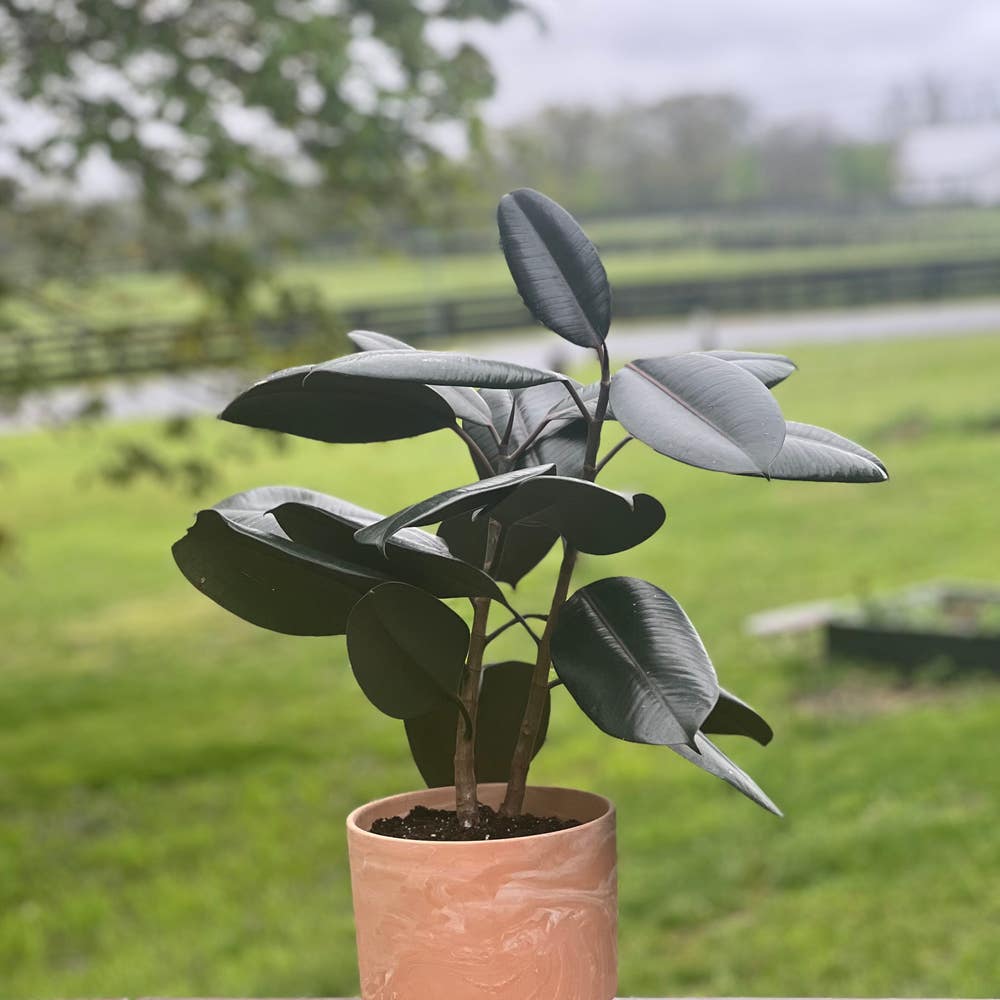
The Purple Rubber Plant, known for its striking foliage, boasts leaves that can range from deep green to a rich purple hue. These broad, glossy leaves not only add a touch of elegance to any space but also vary in size, creating a lush, vibrant display.
Beyond aesthetics, the foliage serves practical purposes. It acts as a natural air purifier, filtering toxins and improving indoor air quality. This dual role of beauty and function makes the Purple Rubber Plant a popular choice for home and office environments.
🌱 Reproduction Without Flowers
Even without flowers, the Purple Rubber Plant can thrive through various propagation methods. One of the most effective ways to propagate is through cuttings. Simply snip a healthy stem, let it callous, and then place it in water or soil to encourage root growth.
Vegetative reproduction is crucial for the plant's survival. Healthy leaves and stems are essential, as they provide the necessary nutrients for new growth. This method ensures that even without flowering, the plant can continue to flourish and expand its presence in your space.
In summary, while the Purple Rubber Plant may not always bloom, its stunning foliage and ability to reproduce through cuttings make it a resilient and attractive addition to any collection.
As we explore the unique aspects of this plant, we’ll uncover more about its fascinating characteristics and reproductive strategies.
Unique Aspects
Unusual Characteristics Related to Flowering or Non-Flowering Nature 🌸
The Purple Rubber Plant exhibits fascinating variations in flowering based on its environment. In optimal conditions, such as high humidity and bright, indirect light, it may surprise you with occasional blooms.
However, many indoor growers find that their plants focus more on lush foliage than on flowering. This is often due to the controlled conditions of indoor environments, which lack the natural cues that trigger blooming.
Interesting Facts or Trivia About Reproductive Strategy 🤓
Historically, the Purple Rubber Plant has held cultural significance in various societies. It symbolizes resilience and adaptability, reflecting its ability to thrive in less-than-ideal conditions.
Interestingly, this plant has developed unique adaptations to survive without flowering. Its robust foliage not only serves as a striking ornamental feature but also plays a crucial role in air purification, making it a beloved choice for indoor spaces.
In essence, whether it blooms or not, the Purple Rubber Plant remains a captivating addition to any collection. Its ability to flourish in diverse conditions showcases its remarkable resilience and charm.
⚠️ Safety First
This content is for general information and may contain errors, omissions, or outdated details. It is not medical, veterinary advice, or an endorsement of therapeutic claims.
Always consult a qualified healthcare professional before using any plant as food, medicine, or supplement.
Never eat any plant (or feed one to pets) without confirming its identity with at least two trusted sources.
If you suspect poisoning, call Poison Control (800) 222-1222, the Pet Poison Helpline (800) 213-6680, or your local emergency service immediately.
Spotted an error? Please report it here.
Embrace the resilience of your Purple Rubber Plant 🌱 by using Greg's personalized care tips to create the ideal environment for thriving foliage, even if blooms are rare!