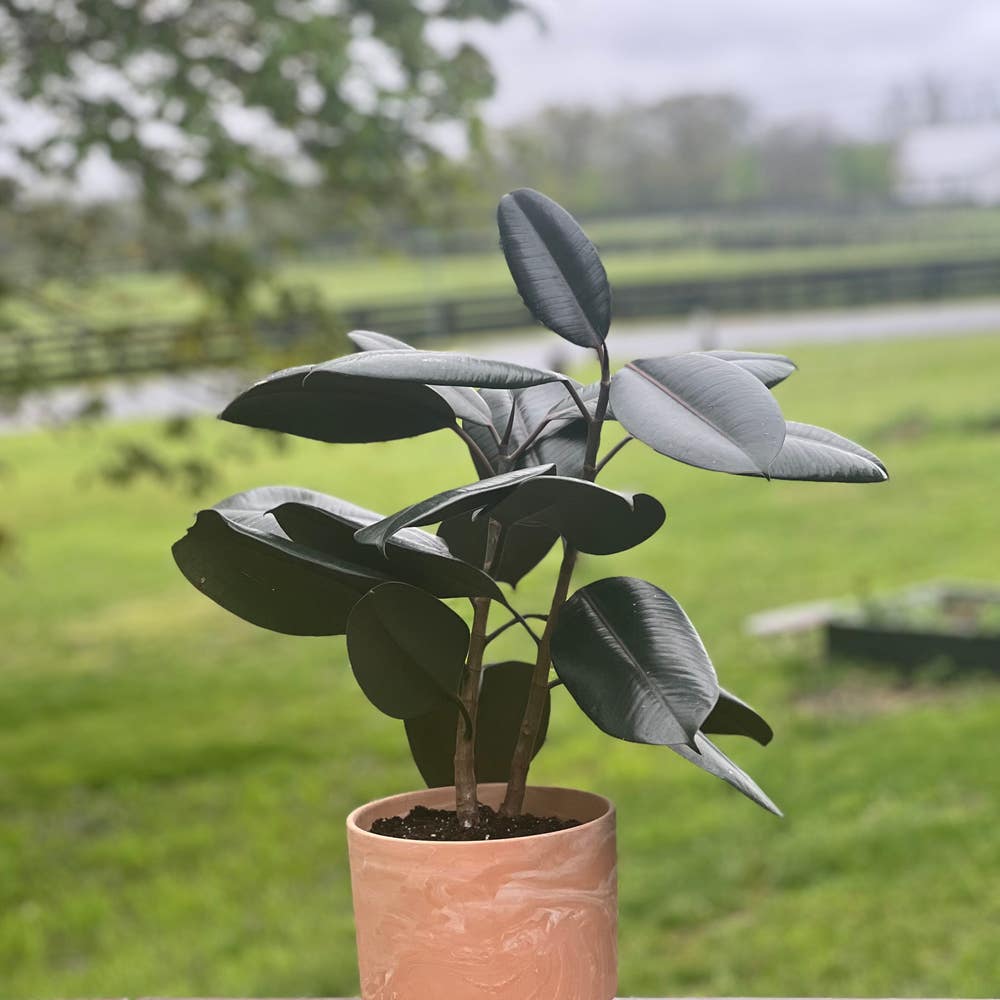
💜 The #1 Top Companion Plant for Purple Rubber Plant
Ficus elastica 'Burgundy'
By the Greg Editorial Team
Oct 17, 2024•4 min read
This article was created with the help of AI so we can cover more plants for you. May contain errors. See one? Report it here.
Elevate your indoor garden with perfect companions for your Purple Rubber Plant 🌱, blending beauty and health effortlessly!
- 🌱 Snake Plant and Spider Plant are perfect companions for Purple Rubber Plant care.
- 🌼 Avoid toxic plants like Oleander to protect pets and children in your garden.
- 🌿 Diverse plant selection boosts health and aesthetics, enhancing your indoor garden's appeal.
Best Companion Plants for Purple Rubber Plant
🌱 Snake Plant
The Snake Plant is a fantastic companion for your Purple Rubber Plant. It thrives in indirect light and well-draining soil, making it a perfect match for similar care needs.
This resilient plant requires minimal watering, aligning perfectly with the Purple Rubber Plant's sensitivity to overwatering. Additionally, it’s known for its pest-repelling properties, particularly against spider mites.
Visually, the striking upright leaves of the Snake Plant beautifully complement the glossy foliage of the Purple Rubber Plant. Together, they create a stunning indoor display.
🌿 Pothos
Pothos is another excellent choice for companion planting. It adapts well to low light and irregular watering, sharing humidity preferences with the Purple Rubber Plant.
This versatile plant can also deter pests like aphids and mealybugs, adding an extra layer of protection. The cascading vines of Pothos provide a dynamic visual contrast to the upright growth of the Purple Rubber Plant, enhancing your indoor garden's aesthetics.
🕷️ Spider Plant
The Spider Plant thrives in similar light and humidity conditions as the Purple Rubber Plant. It tolerates occasional neglect in watering, making it a low-maintenance companion.
Known for its effectiveness against common household pests, the Spider Plant can help keep your indoor garden healthy. Its arching leaves and baby plantlets not only add visual interest but also enhance the overall look of your indoor space.
These companion plants not only share care needs but also contribute to a healthier and more vibrant indoor garden. Next, let’s explore which plants to avoid near your Purple Rubber Plant for optimal growth.
Plants to Avoid Near Purple Rubber Plant
☠️ Toxic Plants
When planning your indoor garden, it's crucial to know which plants to steer clear of. Toxic plants like Oleander and Dieffenbachia can pose serious risks, especially if you have pets or children around.
These plants are not just harmful; they also have different care needs that can lead to competition for resources. This can stress your Purple Rubber Plant, making it more susceptible to pests and diseases.
By avoiding these toxic companions, you create a safer and more harmonious environment for your beloved plants. Keeping your indoor space free from harmful species ensures a thriving garden that everyone can enjoy.
In the next section, we'll explore how companion planting can help manage pests naturally, enhancing the health of your Purple Rubber Plant.
Pest Management through Companion Planting
🌱 How Companion Plants Can Aid in Pest Management
Companion planting is a natural way to manage pests in your indoor garden. Certain plants can deter unwanted insects, creating a healthier environment for your Purple Rubber Plant.
Selecting companions that attract beneficial insects is crucial. These allies can help keep pest populations in check, ensuring your plants thrive.
🌼 Examples of Pest-Repelling Companion Plants
Here are some standout plants known for their pest-repelling qualities:
Marigolds: These vibrant flowers are effective against nematodes and aphids, making them a great addition to your indoor garden.
Basil: Not only does basil enhance your culinary dishes, but it also deters flies and mosquitoes, adding both functionality and beauty to your space.
Incorporating these plants can significantly improve pest management, allowing your Purple Rubber Plant to flourish without the threat of infestations.
As you explore companion planting, consider how these relationships can enhance the overall health of your indoor garden. Next, let’s dive into creating a diverse indoor garden that supports both aesthetics and plant health.
Creating a Diverse Indoor Garden
🌱 Importance of Garden Diversity for Health and Aesthetics
A diverse plant selection boosts overall plant health. Different species can support each other, enhancing resilience against pests and diseases.
Mixing various foliage types and colors creates a visually appealing indoor space. This aesthetic variety not only livens up your environment but also reflects your personal style.
🌿 Tips for Selecting Companion Plants for Indoor Settings
When choosing companion plants, consider their light and humidity compatibility. This ensures that all plants thrive in the same conditions.
Opt for plants with similar watering needs to prevent overwatering. This is crucial, especially for sensitive plants like the Purple Rubber Plant.
Incorporate plants with varying heights and leaf shapes for added visual interest. This creates a dynamic indoor garden that draws the eye and sparks curiosity.
By embracing diversity in your indoor garden, you cultivate a thriving ecosystem that is both beautiful and beneficial. Next, let’s explore how companion plants can aid in pest management.
⚠️ Safety First
This content is for general information and may contain errors, omissions, or outdated details. It is not medical, veterinary advice, or an endorsement of therapeutic claims.
Always consult a qualified healthcare professional before using any plant as food, medicine, or supplement.
Never eat any plant (or feed one to pets) without confirming its identity with at least two trusted sources.
If you suspect poisoning, call Poison Control (800) 222-1222, the Pet Poison Helpline (800) 213-6680, or your local emergency service immediately.
Spotted an error? Please report it here.
Transform your indoor garden into a thriving oasis 🌿 by pairing your Purple Rubber Plant with companions like Snake Plants, and let Greg guide you with tailored care tips and reminders for ultimate success!