Ultimate Guide to What's Eating Your Japanese Primrose 🐛
Primula japonica
By the Greg Editorial Team
Aug 27, 2024•6 min read
This article was created with the help of AI so we can cover more plants for you. May contain errors. See one? Report it here.
Safeguard your Japanese Primrose 🌸 while inviting beneficial wildlife for a flourishing garden! 🌱
- 🌸 Japanese Primrose attracts both pollinators and herbivores, enhancing garden biodiversity.
- 🐇 Common pests include deer, rabbits, and squirrels, causing significant plant damage.
- 🚫 Deterrent methods like fencing and repellents can protect your Primrose effectively.
Most Appealing Parts to Animals
🌼 Description of Appearance and Characteristics
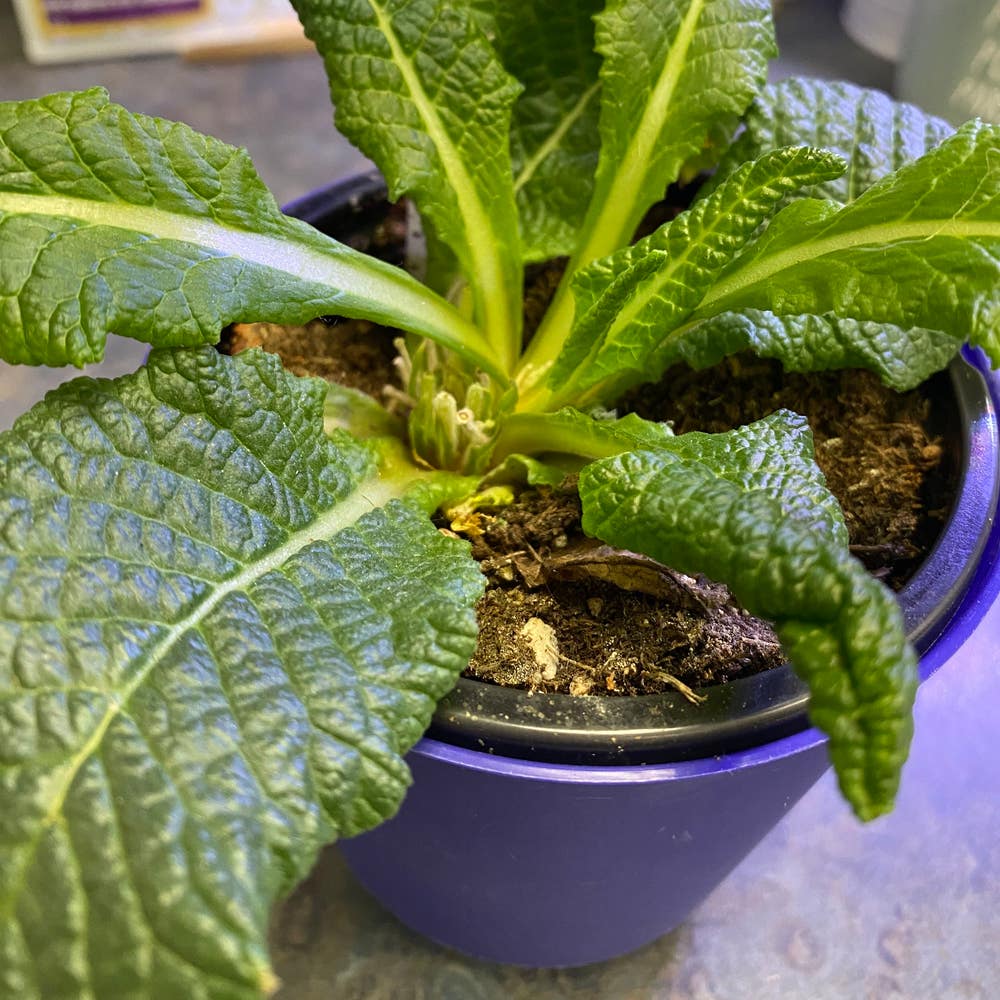
Japanese Primrose is a perennial herb that typically grows between 12 to 18 inches tall. Its stature makes it a delightful addition to any garden, providing both beauty and sustenance.
🍃 Leaf Structure
The leaves are broad and oval, boasting a glossy green finish that catches the eye. This lush foliage not only enhances the plant's aesthetic appeal but also serves as a nutritious food source for various herbivores.
🌸 Flower Characteristics
Clusters of vibrant flowers bloom in shades of pink, purple, and white. These colorful blossoms are not just visually stunning; they attract a variety of pollinators and curious animals alike.
🍇 Fruits
The plant produces seed pods that can entice birds and small mammals. These fruits add another layer of interest, making Japanese Primrose a multi-faceted attraction in the garden.
🌱 Young Shoots
Tender young shoots are particularly favored by garden animals. Their nutritious quality makes them a prime target for herbivores looking for a tasty snack.
Japanese Primrose's appealing features create a rich environment that draws in both beneficial and harmful animals. Understanding these characteristics helps gardeners protect their plants while appreciating the ecosystem at play.
Next, we will explore the common herbivores that affect Japanese Primrose and how to identify their presence.
Common Herbivores Affecting Japanese Primrose
🦌 Deer
Signs of Presence and Damage
Look for hoof prints in muddy areas near your Japanese Primrose. You might also notice leaves and flowers stripped clean, a clear sign that deer have been browsing.
Impact on the Plant
Deer can be quite harmful, often leading to significant damage and stunted growth. Their appetite for your plants can leave them looking bare and unhealthy.
Deterrent Methods
To keep deer at bay, consider using commercial deer repellents. You can also plant deer-resistant species nearby or scatter human hair or soap shavings around your garden.
🐇 Rabbits
Signs of Presence and Damage
Rabbits leave small, round droppings near the plants. You’ll also see clean cuts on the edges of leaves and chewed stems, indicating their presence.
Impact on the Plant
These little critters can decimate young plants and flowers. Their feeding habits can quickly turn a thriving garden into a sad sight.
Deterrent Methods
Bitter-tasting sprays can deter rabbits effectively. For a more organic approach, install fencing that’s 2-3 feet high and consider planting rabbit-resistant plants.
🐿️ Squirrels
Signs of Presence and Damage
Chewed stems and flower buds are telltale signs of squirrel activity. You may also find twigs and leaves gathered nearby for nesting.
Impact on the Plant
Squirrels can cause significant damage, especially to flowers and young shoots. Their nibbling can hinder growth and flowering.
Deterrent Methods
Squirrel repellents can help keep these pests away. Alternatively, motion-activated sprinklers or noise deterrents can be effective organic solutions.
🐦 Birds
Signs of Presence and Damage
Look for peck marks on flowers and leaves, as well as nesting in nearby areas. These signs indicate that birds are taking an interest in your plants.
Impact on the Plant
Birds have a mixed impact; while some help with pollination, others can damage flowers. It’s essential to monitor their activity.
Deterrent Methods
Bird repellents can be useful for deterring unwanted visitors. You can also use netting over plants or hang reflective objects to scare them away.
🐭 Rodents (Mice, Voles, etc.)
Signs of Presence and Damage
Tunnels or burrows near your plants are clear indicators of rodent activity. Chewed roots and stems signal that they are feeding on your primrose.
Impact on the Plant
Rodents can be quite harmful, leading to root damage and even plant death. Their underground activities can wreak havoc on your garden.
Deterrent Methods
Consider using rodent bait stations for chemical deterrents. For a more organic approach, traps and planting mint or other deterrent plants nearby can be effective.
🦡 Groundhogs/Woodchucks
Signs of Presence and Damage
Large burrows near your plants are a strong sign of groundhog activity. You may also find chewed leaves and stems, often at ground level.
Impact on the Plant
Groundhogs can severely damage or even kill your Japanese Primrose. Their feeding habits can quickly turn your garden into a barren landscape.
Deterrent Methods
Commercial groundhog repellents can be effective. For a more organic solution, install fencing that’s 3-4 feet high and plant barriers of strong-smelling herbs to deter them.
Understanding these common herbivores and their impact on Japanese Primrose is crucial for maintaining a healthy garden. With the right deterrent methods, you can protect your plants and enjoy their beauty year-round. Next, let’s explore the beneficial animals that can enhance your garden ecosystem.
Beneficial Animals and Their Role
🐝 Description of Beneficial Animals Attracted to Japanese Primrose
Japanese Primrose isn't just a feast for herbivores; it also attracts a host of beneficial animals. Bees and butterflies flock to its vibrant flowers, playing a crucial role in pollination.
Additionally, predatory insects like ladybugs and lacewings are drawn to the garden. These helpful allies keep pest populations in check, ensuring a healthier ecosystem.
🌱 Positive Impacts on the Garden Ecosystem
Pollination is essential for the reproduction of Japanese Primrose. Without these busy pollinators, the plant's ability to thrive diminishes significantly.
Moreover, the presence of beneficial insects contributes to pest control. By maintaining a balanced ecosystem, they help your garden flourish while reducing the need for chemical interventions.
Incorporating these beneficial animals into your garden can create a thriving environment for your Japanese Primrose. Their roles are vital, not just for the plant, but for the overall health of your garden.
As we explore further, let’s look at strategies to protect your primrose from common herbivores while still encouraging these beneficial visitors.
General Strategies for Protection
🛡️ Preventive Measures for Protecting Japanese Primrose
Protecting your Japanese Primrose starts with effective preventive measures.
Fencing
Installing barriers around your garden is a straightforward way to keep herbivores at bay. A sturdy fence can deter many animals, ensuring your plants thrive.
Companion Planting
Consider companion planting with species that naturally repel herbivores. This strategy not only protects your primrose but also enhances the overall biodiversity of your garden.
Regular Monitoring
Keep a close eye on your plants for any signs of animal activity. Regular monitoring helps you catch potential issues early, allowing for timely interventions.
⚠️ Reactive Solutions for Managing Animal Interactions
Even with the best preventive measures, you may still encounter animal interactions.
Immediate Removal of Damaged Parts
If you notice damage, prune the affected areas promptly. This encourages recovery and helps maintain the plant's health.
Use of Repellents
Applying chemical or organic deterrents can be effective in managing unwanted visitors. Choose the method that aligns with your gardening philosophy and the specific animals you're dealing with.
🌱 Seasonal Variations in Animal Attraction to Japanese Primrose
Understanding seasonal patterns can help you anticipate animal activity.
Spring
As your primrose emerges, expect increased activity from herbivores eager for fresh growth.
Summer
This is peak feeding time for many animals, so vigilance is crucial.
Fall
As winter approaches, animals may forage more aggressively to prepare for colder months. Being aware of these seasonal shifts can help you adapt your protection strategies effectively.
By implementing these strategies, you can create a thriving environment for your Japanese Primrose while minimizing the impact of herbivores. Next, let’s explore the beneficial animals that can enhance your garden ecosystem.
⚠️ Safety First
This content is for general information and may contain errors, omissions, or outdated details. It is not medical, veterinary advice, or an endorsement of therapeutic claims.
Always consult a qualified healthcare professional before using any plant as food, medicine, or supplement.
Never eat any plant (or feed one to pets) without confirming its identity with at least two trusted sources.
If you suspect poisoning, call Poison Control (800) 222-1222, the Pet Poison Helpline (800) 213-6680, or your local emergency service immediately.
Spotted an error? Please report it here.
Protect your Japanese Primrose from pesky herbivores and cultivate a thriving garden 🌱 with Greg's tailored care tips and timely reminders that keep your plants flourishing!