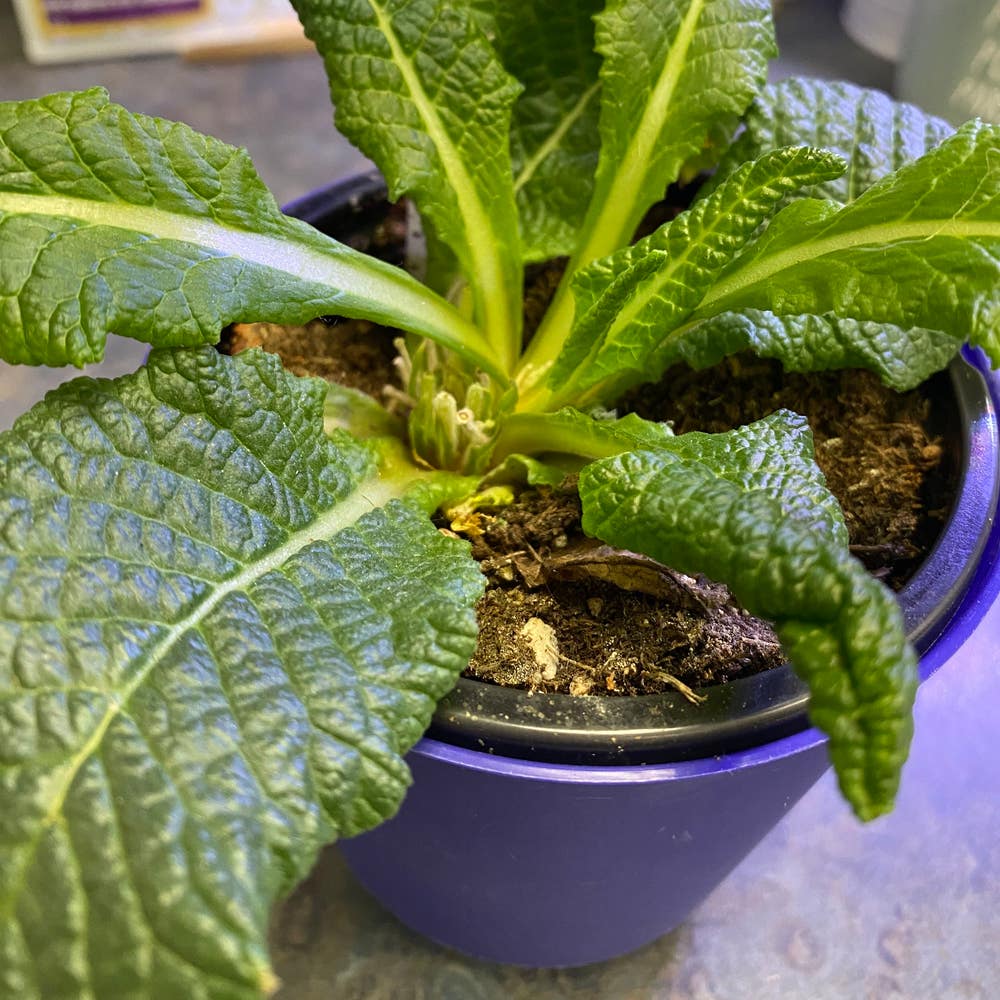
When to Repot Japanese Primrose
Primula japonica
By the Greg Editorial Team
Aug 27, 2024•5 min read
This article was created with the help of AI so we can cover more plants for you. May contain errors. See one? Report it here.
Revitalize your Japanese Primrose with this simple repotting guide for lush growth and vibrant blooms! 🌱✨
- 🌱 Repot Japanese Primrose in early spring or fall for optimal growth.
- 🕳️ Choose pots with drainage holes to prevent root rot and ensure health.
- ✂️ Inspect and trim roots gently before repotting to minimize damage.
Repotting Process
Repotting your Japanese Primrose can seem daunting, but with a clear step-by-step guide, it becomes manageable. Follow these straightforward steps to ensure a smooth transition for your plant.
📝 Step-by-step guide to repotting
Prepare the new pot: Start by selecting a pot with adequate drainage holes. This is crucial for preventing waterlogging.
Remove the plant: Gently slide the plant out of its current pot. Be careful not to damage the roots during this process.
Inspect the roots: Take a moment to examine the roots. Trim any dead or damaged roots using sterilized scissors to promote healthy growth.
Add potting soil: Fill the new pot with a recommended potting soil, leaving enough space for the plant. A well-draining mix is ideal.
Position the plant: Place the plant in the center of the new pot. Fill around it with soil, ensuring it’s secure but not packed too tightly.
Water thoroughly: Finally, water the plant well. Ensure the soil is moist but not waterlogged to encourage root establishment.
🛠️ Tools and materials needed for repotting
To make the repotting process easier, gather the following tools and materials:
- New pot: Ensure it has drainage holes.
- Potting soil: Choose a mix suitable for your plant.
- Sterilized scissors or pruning shears: For trimming roots.
- Watering can or spray bottle: To water the plant effectively.
By following these steps and using the right tools, you can help your Japanese Primrose thrive in its new home. Next, let’s explore how to choose the right pot for your plant.
Choosing the Right Pot
Best Pot Materials 🌱
When selecting a pot for your Japanese Primrose, consider the material carefully.
- Terracotta: This classic choice allows for breathability and helps regulate moisture levels, making it ideal for healthy root growth.
- Ceramic: Known for its excellent insulation, ceramic pots maintain a stable temperature, protecting your plant from extreme conditions.
- Plastic: Lightweight and moisture-retaining, plastic pots are convenient, but make sure they have drainage holes to prevent water accumulation.
Pots to Avoid 🚫
Not all pots are created equal, and some can harm your plant's health.
- Metal Pots: These can heat up quickly in the sun, risking root damage and stressing your plant.
- Non-draining Containers: Avoid these at all costs; they trap water, increasing the risk of root rot and poor drainage.
Choosing the right pot is crucial for your Japanese Primrose's health. With the right materials, you set the stage for vibrant growth and blooming beauty.
Next, let’s dive into soil and drainage considerations to ensure your plant thrives!
Soil and Drainage Considerations
Recommended potting soil 🌱
Choosing the right potting soil is crucial for your Japanese primrose's health. Opt for a well-draining mix enriched with organic matter, such as peat moss or compost, to provide essential nutrients.
The ideal pH level for this plant ranges from slightly acidic to neutral, specifically between 6.0 and 7.0. This balance helps your primrose thrive and promotes optimal growth.
Importance of drainage in pot selection 🚰
Drainage is a game-changer when it comes to pot selection. Proper drainage prevents waterlogging, which is vital for maintaining root health and avoiding rot.
Additionally, good drainage encourages healthy growth by allowing oxygen to circulate in the soil. This oxygen exchange is essential for robust root development and overall plant vitality.
In summary, selecting the right soil and ensuring proper drainage are foundational steps in repotting your Japanese primrose. These considerations will set the stage for a flourishing plant, ready to brighten your space.
Next, let’s explore how to choose the right pot for your primrose.
Timing for Repotting
🌱 Best Seasons for Repotting
The ideal times to repot your Japanese Primrose are early spring and fall. Early spring is perfect because it allows you to repot before new growth begins, giving the plant a fresh start.
In the fall, repotting after flowering helps the plant recover before winter sets in. This timing ensures your primrose is well-prepared for the colder months.
⏰ How to Determine the Right Time Based on Plant Growth
Monitoring your plant's growth patterns is crucial. Repot when you notice growth slowing down or when roots start becoming visible through the drainage holes.
Seasonal temperature is another factor to consider. Avoid repotting during extreme heat, as this can stress the plant and hinder its recovery. Keeping an eye on these signs will help you choose the perfect moment for repotting.
With the right timing, your Japanese Primrose will thrive in its new home, setting the stage for healthy growth. Next, let’s explore how to choose the right pot for your plant.
Common Repotting Challenges
🛠️ Troubleshooting Common Issues
Repotting can sometimes lead to challenges that may stress your Japanese Primrose. One common issue is root damage, which can manifest as wilting or yellowing leaves.
Another concern is soil settling. After watering, check for any gaps in the soil that may have formed, as this can affect the plant's stability and health.
🚫 How to Avoid Stress During the Process
To minimize stress during repotting, handle your plant with care. This helps to reduce root disturbance, ensuring your Primrose remains healthy.
Additionally, water the plant before repotting. This simple step helps retain moisture during the transition, making it easier for your plant to adapt to its new home.
By being mindful of these challenges and taking proactive steps, you can ensure a smoother repotting experience for your Japanese Primrose. Next, let’s explore how to choose the right pot for your plant.
⚠️ Safety First
This content is for general information and may contain errors, omissions, or outdated details. It is not medical, veterinary advice, or an endorsement of therapeutic claims.
Always consult a qualified healthcare professional before using any plant as food, medicine, or supplement.
Never eat any plant (or feed one to pets) without confirming its identity with at least two trusted sources.
If you suspect poisoning, call Poison Control (800) 222-1222, the Pet Poison Helpline (800) 213-6680, or your local emergency service immediately.
Spotted an error? Please report it here.
Repotting your Japanese Primrose is easy-peasy 🌿 with Greg's tailored reminders and care tips that ensure your plant flourishes in its new home!