🌸 Japanese Primrose Is Not an Annual
Primula japonica
By the Greg Editorial Team
Aug 27, 2024•4 min read
This article was created with the help of AI so we can cover more plants for you. May contain errors. See one? Report it here.
Elevate your garden with resilient Japanese primrose 🌸, a perennial that blooms beautifully year after year! 🌿
- 🌼 Japanese Primrose is a perennial, thriving for years in wet, temperate climates.
- 🌱 Its rhizome roots store nutrients, ensuring longevity and resilience in gardens.
- 🌿 Regular care enhances blooms and maintains health, making it a long-term investment.
Japanese Primrose as a Perennial
🌱 Genetic Characteristics
Japanese primrose is uniquely adapted for long-term survival in wet, temperate climates. Its genetic makeup allows it to thrive in environments where many other plants struggle.
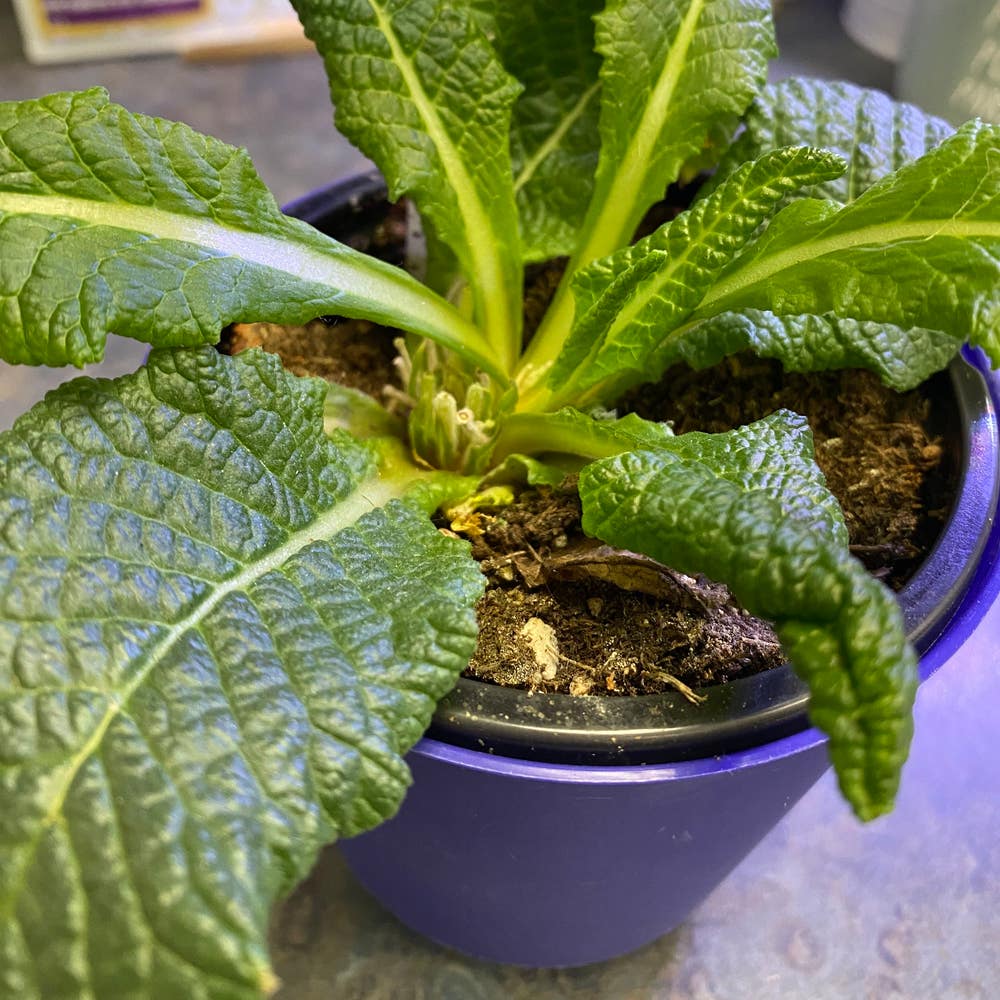
The plant exhibits a clumping growth habit, forming rosettes that persist year after year. This structure not only enhances its aesthetic appeal but also contributes to its resilience.
🌿 Physiological Traits Supporting Perennial Growth
The root system of Japanese primrose is remarkable, developing extensive rhizomes for nutrient storage and propagation. These rhizomes are crucial for the plant's longevity and ability to spread.
Additionally, the thick, waxy leaves help retain moisture, making it well-suited for its native habitats. This adaptation is vital for thriving in moist, well-drained soils.
⏳ Long-Term Lifecycle and Growth Patterns
Japanese primrose can live for several years, often re-blooming each spring. Its growth cycle begins early in spring, where it flowers before entering a dormant phase in winter.
This plant's resilience is noteworthy; it can survive adverse conditions thanks to its established root systems. This characteristic makes it a reliable choice for gardeners.
🌼 Lifecycle Comparison with True Annuals
In contrast to true annuals, Japanese primrose has an extended blooming period in spring. It can even re-bloom in favorable conditions, showcasing its adaptability.
While it primarily reproduces through rhizomes, self-seeding does occur but is secondary. This reproductive strategy supports its perennial nature.
❓ Misconceptions and Exceptions
There are conditions where Japanese primrose may be treated as an annual, particularly under environmental stress or poor soil quality. These factors can hinder its growth and longevity.
Regional variations also affect its classification. Differences in climate and garden practices can lead to misconceptions about its perennial status.
Understanding these nuances helps gardeners appreciate the true nature of Japanese primrose and its potential in various settings.
As we explore garden design implications, consider how this resilient plant can enhance your landscape.
Garden Design Implications
🌼 Advantages in Perennial Planting Schemes
Japanese Primrose offers a fantastic long-term investment for gardeners. Unlike annuals, which need to be replaced every year, these perennials thrive for several seasons, saving you time and money.
Their vibrant blooms in spring add a splash of color to your garden, enhancing its overall aesthetics. This seasonal interest not only beautifies your space but also attracts pollinators, creating a lively ecosystem.
🌿 Tips for Integrating into Garden Design
When planning your garden, consider companion planting with other perennials that enjoy similar conditions. This strategy not only maximizes space but also promotes a healthier garden environment.
Design-wise, Japanese Primrose flourishes in moist areas, making it perfect for spots near ponds or shaded sections. By placing them strategically, you can create a stunning visual impact while ensuring they thrive in their preferred habitat.
With these tips, you can make the most of Japanese Primrose in your garden design, ensuring a beautiful and sustainable landscape.
Maximizing Longevity
Best Practices for Management 🌱
To ensure your Japanese Primrose thrives, focus on soil management. Maintaining moist, well-drained conditions is essential for promoting healthy growth.
Pruning is another key practice. After flowering, remove dead foliage to encourage fresh growth and keep your plants looking vibrant.
Tips for Enhancing Growth and Flowering Over Time 🌼
Fertilization plays a crucial role in supporting blooming. Use a balanced fertilizer in early spring to give your plants the nutrients they need.
Establishing a consistent watering schedule is vital, especially during dry spells. Regular moisture helps your Japanese Primrose flourish.
Lastly, monitoring your plants is essential. Regularly check for pests and diseases to maintain their health and longevity.
By following these practices, you can enjoy the beauty of Japanese Primrose for years to come. This perennial not only enhances your garden but also brings a sense of resilience and continuity to your landscape.
⚠️ Safety First
This content is for general information and may contain errors, omissions, or outdated details. It is not medical, veterinary advice, or an endorsement of therapeutic claims.
Always consult a qualified healthcare professional before using any plant as food, medicine, or supplement.
Never eat any plant (or feed one to pets) without confirming its identity with at least two trusted sources.
If you suspect poisoning, call Poison Control (800) 222-1222, the Pet Poison Helpline (800) 213-6680, or your local emergency service immediately.
Spotted an error? Please report it here.
Unlock the enduring beauty of Japanese Primrose 🌿 with Greg's tailored care reminders and expert tips, ensuring your garden thrives for years to come!