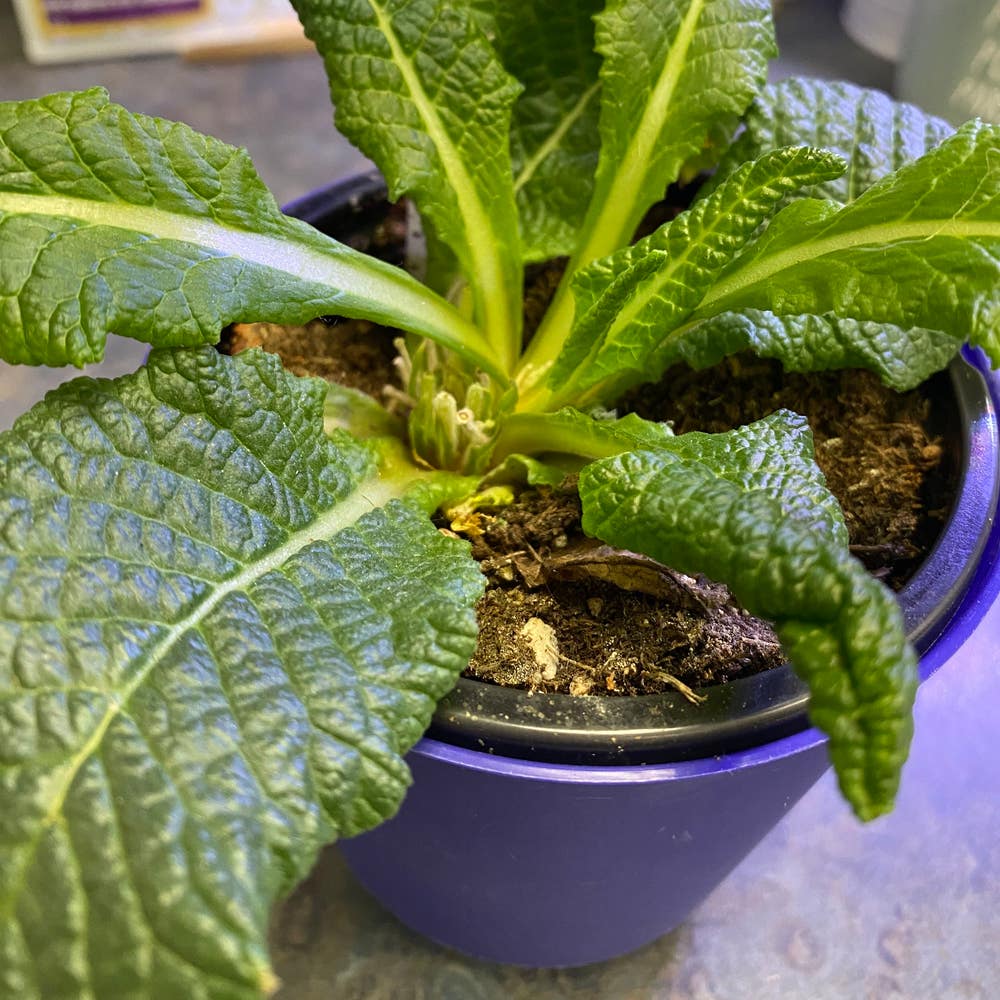
🌼 Best Companion Plants for Japanese Primrose
Primula japonica
By the Greg Editorial Team
Aug 27, 2024•4 min read
This article was created with the help of AI so we can cover more plants for you. May contain errors. See one? Report it here.
Elevate your garden's beauty and health 🌼 by pairing Japanese Primrose with ideal companion plants for a thriving ecosystem!
- 🌿 Choose moisture-loving companions like Astilbe and Hostas for Japanese Primrose.
- 🐝 Enhance biodiversity with companion plants that attract pollinators and deter pests.
- 🌼 Avoid drought-tolerant plants to prevent competition for moisture with Japanese Primrose.
Best Companion Plants for Japanese Primrose
Suitable Companion Plants 🌱
Astilbe
Astilbe is a shade-loving perennial known for its feathery flowers. It thrives in the same moist, shaded conditions as Japanese Primrose, making it an ideal companion that also attracts pollinators, enhancing your garden's biodiversity.
Hostas
Hostas feature large, lush foliage that flourishes in shady spots. They provide excellent ground cover, helping to retain soil moisture while adding visual appeal with their diverse leaf colors and textures.
Ferns
Ferns are delicate, shade-loving plants that naturally thrive in similar environments. They promote moisture retention and create a lush backdrop for the vibrant blooms of Japanese Primrose.
Lobelia
Lobelia showcases low-growing, vibrant blue flowers that attract pollinators. Preferring similar moisture levels, it complements the color palette of Primula japonica beautifully.
Visual Appeal and Aesthetic Combinations 🎨
Combining these plants creates a visually stunning garden. The layering effect of tall and short plants adds depth and interest, making your garden a feast for the eyes.
This thoughtful arrangement not only enhances beauty but also supports a thriving ecosystem. As you plan your garden, consider how these companions can work together to create a harmonious and vibrant space.
Pest Management
🌱 How Companion Plants Can Deter Pests
Companion planting is a natural method to deter pests in your garden. By strategically placing certain plants together, you can create a diverse ecosystem that attracts beneficial insects while keeping harmful pests at bay.
This approach not only enhances the health of your garden but also promotes a balanced environment. A thriving garden ecosystem can lead to fewer pest problems and healthier plants overall.
🐞 Specific Pest-Repellent Properties of Chosen Companions
Astilbe
Astilbe is known for its ability to deter aphids and other common pests. Its feathery flowers not only beautify your garden but also serve as a natural pest repellent.
Hostas
Hostas have a strong scent that can repel certain insects. Their lush foliage provides both ground cover and a barrier against unwanted pests.
Ferns
Ferns create a habitat for beneficial insects that prey on pests. By incorporating ferns into your garden, you encourage a natural form of pest control, enhancing the overall health of your plants.
By understanding the pest-repellent properties of these companion plants, you can cultivate a more resilient garden. This strategy not only protects your Japanese Primrose but also enriches the biodiversity of your outdoor space.
Next, let’s explore which plants to avoid when planting near Japanese Primrose to ensure a thriving garden.
Plants to Avoid
List of Plants That Should Not Be Planted Near Japanese Primrose 🌱
When planning your garden, it's crucial to know which plants to steer clear of. Avoid planting Lavender and Rosemary, as well as other drought-tolerant varieties that may compete for moisture.
Reasons for Incompatibility 🚫
Japanese Primrose is sensitive to drought, making it incompatible with plants that thrive on less water. Additionally, these drought-resistant plants can compete for nutrients and space, particularly in shaded areas where Primula japonica flourishes.
Understanding these incompatibilities will help you create a thriving garden that showcases the beauty of Japanese Primrose without the stress of competition. Next, let’s explore how to create a companion planting strategy that enhances your garden's health and aesthetics.
Creating a Companion Planting Strategy
🌱 Tips for Selecting Companion Plants
When choosing companion plants for Japanese Primrose, prioritize those with similar moisture and light requirements. This ensures a harmonious garden environment where all plants can thrive together.
Additionally, consider selecting plants that attract pollinators. Enhancing biodiversity not only benefits your garden but also supports local ecosystems.
🏡 Considerations for Garden Layout and Design
Grouping companion plants in clusters can create a visually stunning impact. This arrangement draws the eye and makes your garden feel more cohesive.
Planning for height variations is also essential. Layering taller plants behind shorter ones adds depth and interest, making your garden a feast for the eyes.
📅 Seasonal Considerations for Companion Planting
Timing is crucial when planting companions. Ensure they establish before the growing season to maximize growth potential.
Lastly, keep an eye on moisture levels throughout the seasons. Regular monitoring helps maintain healthy growth and prevents stress on your plants.
With these strategies in mind, you can create a thriving garden that showcases the beauty of Japanese Primrose alongside its perfect companions. Next, let’s explore how these plants can help manage pests effectively.
⚠️ Safety First
This content is for general information and may contain errors, omissions, or outdated details. It is not medical, veterinary advice, or an endorsement of therapeutic claims.
Always consult a qualified healthcare professional before using any plant as food, medicine, or supplement.
Never eat any plant (or feed one to pets) without confirming its identity with at least two trusted sources.
If you suspect poisoning, call Poison Control (800) 222-1222, the Pet Poison Helpline (800) 213-6680, or your local emergency service immediately.
Spotted an error? Please report it here.
Enhance your garden's beauty and health by pairing Japanese Primrose with moisture-loving companions like Astilbe and Hostas, and let Greg's tailored reminders keep your plants thriving! 🌱 Flourish together!