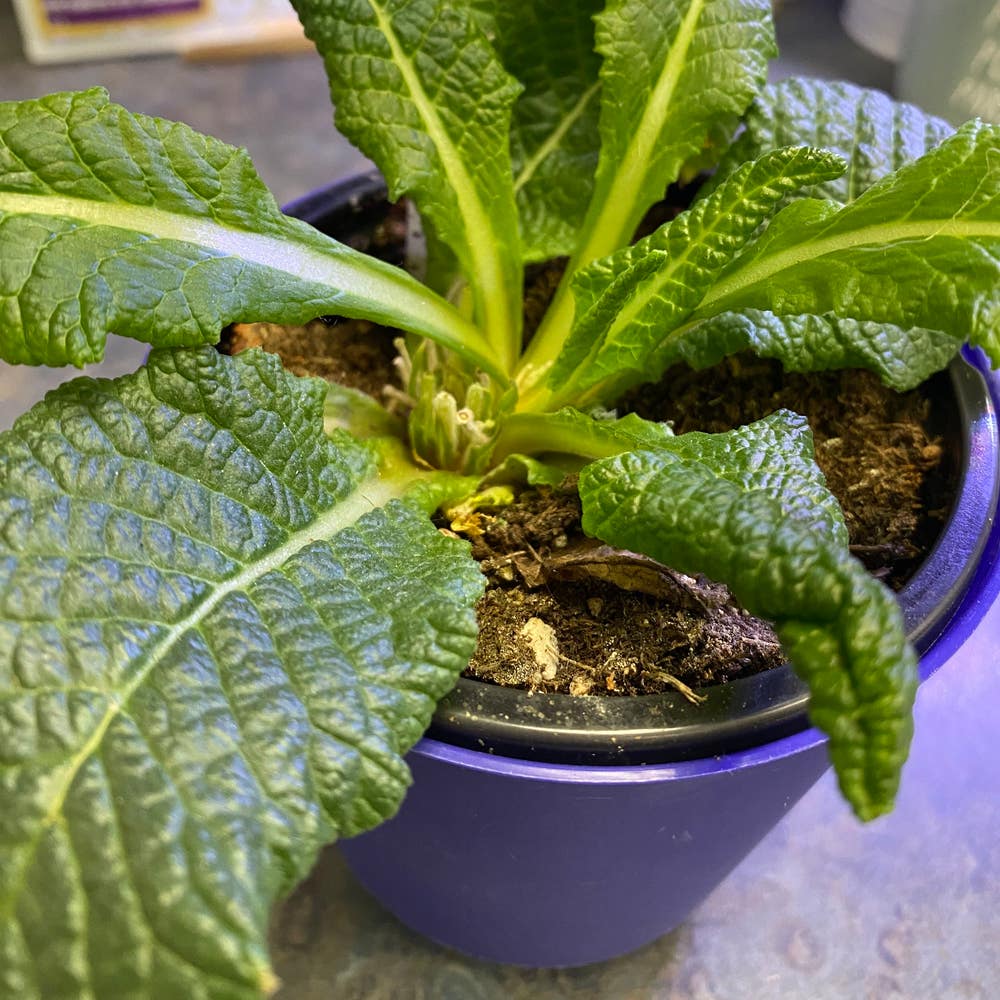
Ultimate Guide to Humidity for Japanese Primrose 💧
Primula japonica
By the Greg Editorial Team
Aug 27, 2024•6 min read
This article was created with the help of AI so we can cover more plants for you. May contain errors. See one? Report it here.
Master ideal humidity levels 🌿 to ensure your Japanese Primrose thrives with vibrant blooms and lush foliage!
- 🌧️ Japanese Primrose thrives at 50-70% humidity for vibrant growth and blooms.
- ❌ Low humidity stunts growth and flowering; monitor levels closely for health.
- 🌿 Humidity trays and grouping plants boost moisture, creating a beneficial microenvironment.
Ideal Humidity Levels for Thriving
Optimal Range 🌿
For Japanese Primrose, the ideal humidity range is between 50-70% relative humidity. This level is crucial for promoting lush foliage and vibrant blooms, ensuring your plants thrive.
Maintaining this humidity not only benefits Japanese Primrose but also aligns with the needs of other moisture-loving plants. Many of these plants share similar humidity requirements, making it easier to create a harmonious garden environment.
Effects of Humidity on Growth 🌱
Humidity plays a significant role in plant health. When humidity levels are optimal, you’ll notice your Japanese Primrose flourishing, showcasing rich green leaves and abundant flowers.
Conversely, low humidity can lead to stunted growth and lackluster blooms. Keeping an eye on humidity levels is essential for achieving the best results in your garden.
Comparison with Other Moisture-Loving Plants 🌸
Japanese Primrose isn’t alone in its humidity preferences. Plants like ferns and calatheas thrive in similar conditions, making them excellent companions in your garden.
Understanding these similarities can help you create a diverse and vibrant plant collection that meets everyone's needs. This synergy not only enhances aesthetics but also simplifies care routines.
As you consider the humidity needs of your Japanese Primrose, it's essential to assess local conditions. This will ensure that your plants receive the right care tailored to their environment.
Assessing Local Humidity
📏 Tools for Measuring Humidity
To ensure your Japanese Primrose thrives, accurate humidity readings are essential. Hygrometers come in two main types: digital and analog, each offering unique benefits.
Digital hygrometers provide precise readings and are often easier to read. Analog options, while less precise, can be more affordable and durable.
Placing your hygrometer near the Japanese Primrose allows for localized readings. This ensures you can make timely adjustments to care based on the specific humidity levels around your plant.
🌦️ Local Climate Impact
Local climate plays a significant role in humidity levels. Seasonal variations can dramatically affect the moisture in the air, impacting your plant's health.
Microclimates within your garden can also create pockets of differing humidity. Identifying these areas helps you tailor your humidity strategies effectively.
Adapting care based on local conditions is crucial. By monitoring humidity levels and adjusting your approach, you can create the ideal environment for your Japanese Primrose to flourish.
Understanding these factors sets the stage for effective humidity management, ensuring your plants receive the care they need throughout the year.
Strategies for Boosting Humidity
🌊 Using Humidity Trays
Setting up humidity trays is a straightforward way to enhance moisture around your Japanese Primrose. Simply fill shallow trays with water and pebbles, then place your pots on top to create a mini-humid environment.
This method effectively increases localized humidity, benefiting your plant's growth. Just remember to regularly refill the trays to maintain those moisture levels.
🤝 Grouping Plants Together
Clustering your plants can create a beneficial microenvironment with higher humidity. When grouping, ensure there's adequate airflow to prevent mold while maximizing humidity.
Consider pairing your Japanese Primrose with other moisture-loving plants, like ferns or calatheas, to enhance the humidity levels even further.
💦 Misting Techniques
Misting your plants can be an effective short-term solution for humidity needs. Aim to mist daily or as needed, depending on the humidity levels in your space.
For best results, use distilled water to avoid mineral buildup on the leaves. Keep in mind that misting is a temporary fix and should be combined with other humidity-boosting methods.
💨 Humidifiers and Their Effectiveness
Humidifiers can significantly improve humidity levels for your Japanese Primrose. You can choose between cool mist and warm mist options, depending on your preference.
Place the humidifier near your plant for optimal effect. Regular cleaning is crucial to prevent mold and bacteria growth, ensuring a healthy environment for your primrose.
By implementing these strategies, you can create an ideal humidity environment that promotes the vibrant growth of your Japanese Primrose. Next, let's explore how to assess local humidity effectively.
Strategies for Reducing Humidity
🌬️ Ventilation Techniques
Airflow is crucial for preventing mold and mildew in high humidity environments. You can achieve this by opening windows, using fans, or creating air circulation around your Japanese Primrose.
Timing is key; ventilate during dry periods to effectively balance humidity levels. This simple adjustment can make a significant difference in your plant's health.
🪴 Choosing the Right Potting Mix
Opt for a well-draining soil mix to prevent excess moisture retention. A good potting mix reduces the risk of root rot, especially in high humidity conditions.
Consider local conditions when adjusting your mix. Tailoring your soil to the humidity levels in your area can enhance your plant's resilience.
🚿 Avoiding Overwatering
Watch for signs of overwatering, such as yellowing leaves and soggy soil. A recommended watering schedule is to allow the top inch of soil to dry out before rewatering.
Monitoring moisture levels is essential. Using moisture meters can provide accurate readings, ensuring your Japanese Primrose thrives without drowning.
By implementing these strategies, you can effectively manage humidity levels and promote a healthy growing environment for your plants. Next, let’s explore seasonal considerations that can further influence humidity management.
Seasonal Considerations
🌧️ Humidity Changes with Seasons
Humidity levels fluctuate throughout the year, impacting your Japanese Primrose's health. In spring and summer, higher humidity supports growth, while winter heating can drastically lower indoor humidity.
❄️ Effects of Winter Heating
When you turn on the heat, indoor humidity often drops, which can stress your plants. This change can lead to wilting or stunted growth, making it essential to monitor conditions closely.
📅 Adjusting Care Based on Seasonal Humidity Fluctuations
In spring and summer, your Japanese Primrose will thrive with increased humidity. Consider using humidity trays or grouping plants together to create a more favorable environment.
🍂 Fall and Winter Strategies
During the colder months, maintaining humidity indoors becomes crucial. Use humidifiers or regularly mist your plants to counteract the dry air.
📊 Importance of Monitoring
Regular assessments of humidity levels will help you adapt your care strategies effectively. Stay proactive to ensure your Japanese Primrose remains vibrant and healthy throughout the seasons.
With these seasonal considerations in mind, you can create an optimal environment for your plants, ensuring they flourish year-round. Next, let’s explore effective strategies for boosting humidity.
⚠️ Safety First
This content is for general information and may contain errors, omissions, or outdated details. It is not medical, veterinary advice, or an endorsement of therapeutic claims.
Always consult a qualified healthcare professional before using any plant as food, medicine, or supplement.
Never eat any plant (or feed one to pets) without confirming its identity with at least two trusted sources.
If you suspect poisoning, call Poison Control (800) 222-1222, the Pet Poison Helpline (800) 213-6680, or your local emergency service immediately.
Spotted an error? Please report it here.
Keep your Japanese Primrose blooming brilliantly 🌸 by using Greg's tailored humidity tips and reminders to create the perfect environment for thriving growth!