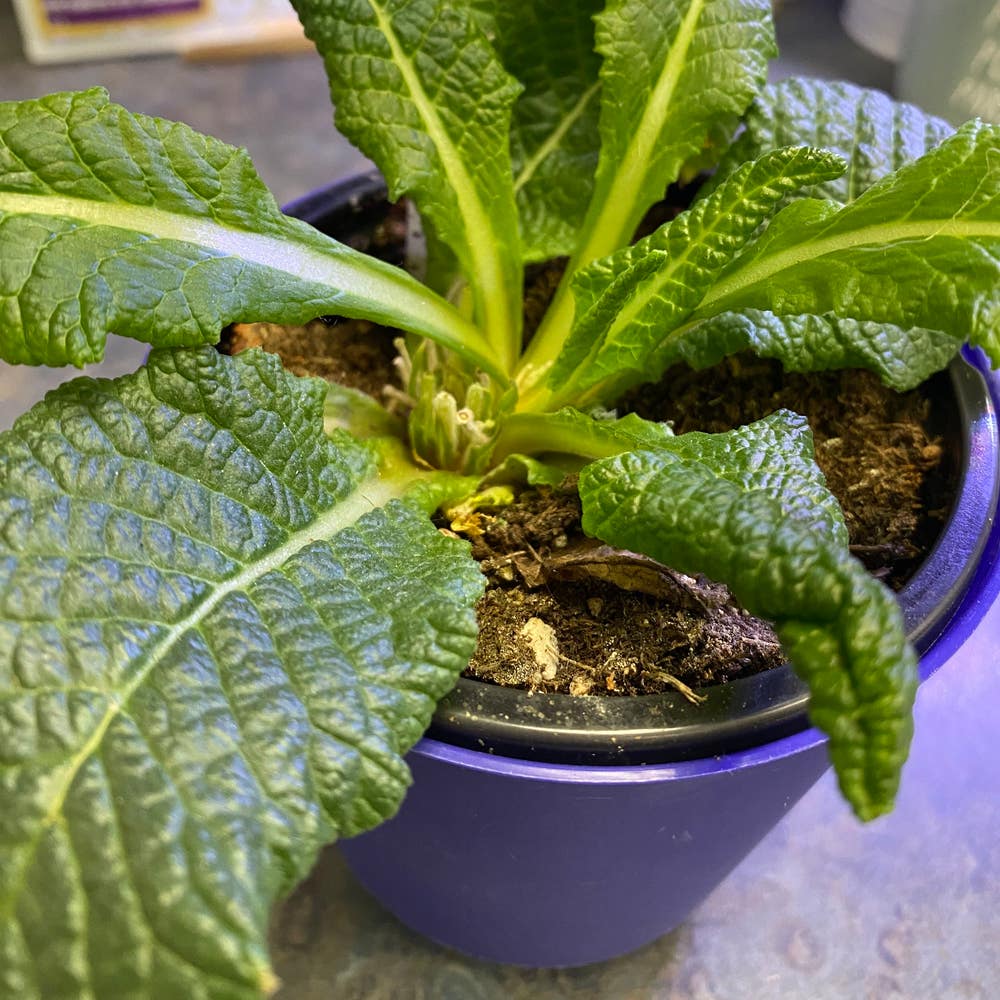
5 Key Winter Strategies for Japanese Primrose ❄️
Primula japonica
By the Greg Editorial Team
Aug 27, 2024•5 min read
This article was created with the help of AI so we can cover more plants for you. May contain errors. See one? Report it here.
Ensure your Japanese primrose thrives this winter with essential care tips for a vibrant spring! 🌱
- ❄️ Frost protection is vital for Japanese primrose to prevent winter damage.
- 🌱 Mulching and adjusting watering help maintain healthy roots during cold months.
- 🏡 Indoor care with bright light and humidity supports primrose through winter dormancy.
Winter Care Strategies
❄️ Frost Protection Techniques
Frost protection is crucial for Japanese primrose, as it prevents leaf damage and root exposure during harsh winter conditions. Implementing effective methods can significantly enhance your plant's chances of thriving.
Mulching
One of the simplest techniques is mulching. Apply a 2-3 inch layer of organic mulch around the base of the plant to insulate the roots and retain moisture.
Covering
On particularly cold nights, consider using frost cloths or burlap to cover your primrose. This extra layer acts as a barrier against freezing temperatures.
Location Considerations
If your primrose is in a pot, moving it to a sheltered area can provide additional protection. A spot that shields it from harsh winds and extreme cold can make a big difference.
💧 Adjusting Watering Schedules in Winter
Understanding winter watering needs is essential, as reduced evaporation and plant uptake mean your primrose requires less water. Adjusting your watering schedule can prevent overwatering, which is a common issue during this season.
Recommended Watering Frequency
Water your primrose only when the top inch of soil is dry. This approach ensures that the plant receives adequate moisture without becoming waterlogged.
Signs of Overwatering
Be vigilant for signs of overwatering, such as yellowing leaves and root rot symptoms. Catching these issues early can save your plant from severe damage.
🌱 Fertilizing Considerations During Dormancy
During winter dormancy, it's important to reduce fertilization. This practice prevents nutrient buildup and root burn, allowing your primrose to rest effectively.
Recommended Practices
Stop fertilizing in late fall to help the plant prepare for dormancy. If necessary, you can use slow-release fertilizers sparingly in early winter, but be cautious not to overdo it.
By following these winter care strategies, you can ensure your Japanese primrose remains healthy and ready to flourish come spring. Next, let’s explore how to provide indoor care for your primrose during the colder months.
Indoor Winter Care
When to Bring Indoors 🥶
As winter approaches, it's crucial to recognize when your Japanese primrose needs to be brought indoors. Look out for prolonged frost warnings or extreme cold; these are clear signs that indoor care is necessary.
Timing is everything. Transition your plants indoors before the first hard frost hits to ensure they remain healthy and vibrant throughout the winter months.
Ideal Indoor Conditions for Winter Survival 🌱
Once indoors, your primrose will thrive in bright, indirect sunlight. This light is essential for optimal growth, so place them near a window that filters harsh rays.
Temperature is another key factor. Aim to maintain a cozy environment between 60°F to 70°F (15°C to 21°C) to keep your plants happy.
Humidity levels also play a significant role in their survival. Keep humidity moderate; consider using a humidity tray to provide a little extra moisture if your home is particularly dry.
By creating these ideal indoor conditions, you’ll set your Japanese primrose up for a successful winter. This preparation not only protects your plants but also ensures they bounce back beautifully come spring.
Next, let’s explore how to identify signs of recovery from winter damage.
Spring Preparation
🌱 Signs of Recovery from Winter Damage
As winter fades, look for signs of recovery in your Japanese primrose. New growth and vibrant foliage are excellent indicators that your plant is bouncing back.
However, it’s crucial to assess any lingering damage. Check for brown or mushy leaves, which may signal frost damage that needs addressing.
🌼 Preparing the Garden for Spring Growth
Spring is the perfect time to tidy up your garden. Start by cleaning up debris; removing dead leaves and old mulch promotes better airflow around your plants.
Next, focus on soil preparation. Test the soil pH and amend it as necessary to ensure optimal growth for your primrose.
Finally, consider your planting strategy. Planning for companion plants and layout adjustments can enhance your garden's overall health and aesthetics.
With these steps, you're setting the stage for a thriving spring garden. Transitioning from winter care to spring preparation is vital for your Japanese primrose's success.
Common Winter Problems and Solutions
❄️ Identifying and Addressing Frost Damage
Frost can wreak havoc on your Japanese primrose, leading to wilting, browning, or even mushy leaves. Recognizing these symptoms early is crucial for effective recovery.
To help your plant bounce back, start by pruning any damaged foliage. Cut back to healthy tissue to encourage new growth. Additionally, providing extra warmth can make a significant difference; consider using row covers or cloches to shield your plants from harsh conditions.
🐜 Managing Pests and Diseases During Winter Months
Winter isn't just about frost; pests like aphids and spider mites can also be a problem. Keeping an eye out for these invaders is essential for maintaining plant health.
Regular inspections are your first line of defense. Look for signs of infestation and act quickly. If you spot any pests, natural remedies like insecticidal soap or neem oil can be effective.
For disease management, ensure good air circulation around your plants. Avoid overwatering, as this can lead to fungal issues that thrive in damp conditions. Keeping these strategies in mind will help your Japanese primrose thrive even in the coldest months.
As you navigate these winter challenges, remember that proactive care can set the stage for a vibrant spring. With the right attention, your plants will emerge ready to flourish.
⚠️ Safety First
This content is for general information and may contain errors, omissions, or outdated details. It is not medical, veterinary advice, or an endorsement of therapeutic claims.
Always consult a qualified healthcare professional before using any plant as food, medicine, or supplement.
Never eat any plant (or feed one to pets) without confirming its identity with at least two trusted sources.
If you suspect poisoning, call Poison Control (800) 222-1222, the Pet Poison Helpline (800) 213-6680, or your local emergency service immediately.
Spotted an error? Please report it here.
Keep your Japanese primrose thriving this winter ❄️ with Greg's tailored care reminders and frost protection tips that ensure your plants stay healthy and vibrant all season long!