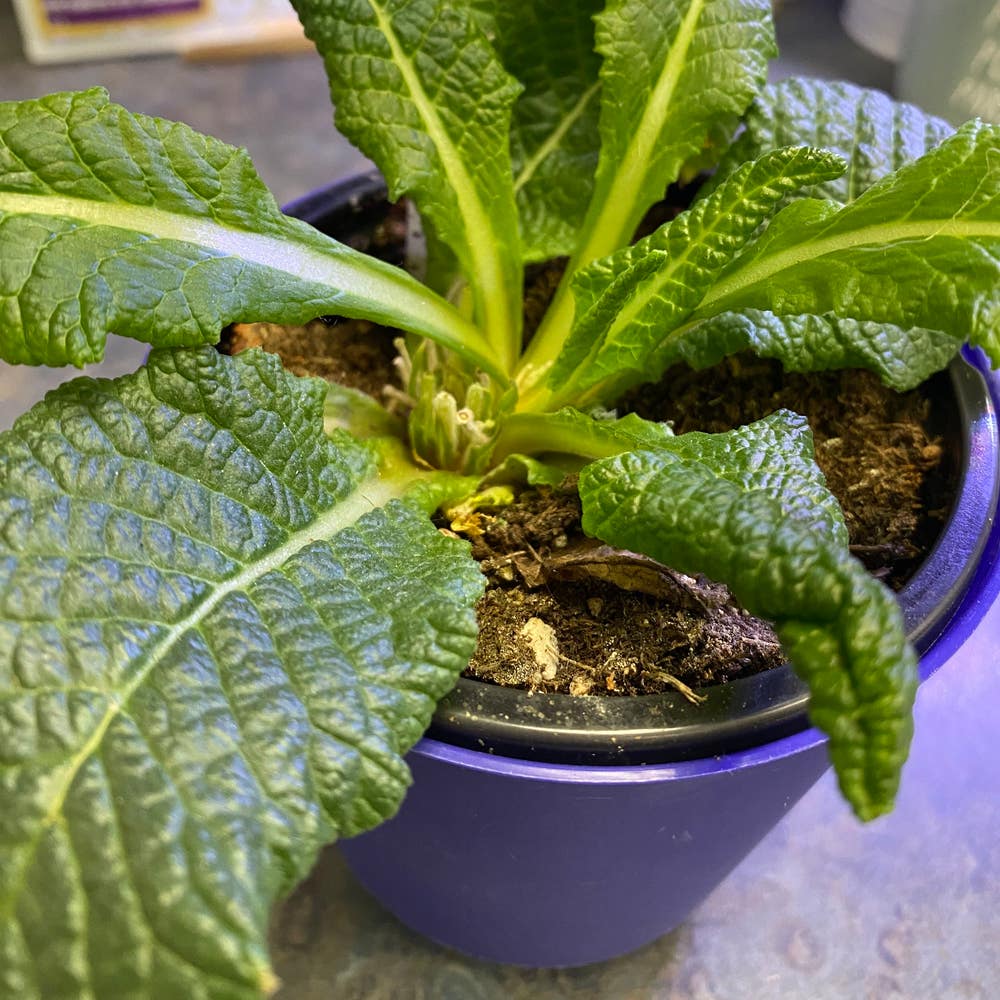
✂️ Ultimate Guide to Pruning Japanese Primrose
Primula japonica
By the Greg Editorial Team
Oct 01, 2024•5 min read
This article was created with the help of AI so we can cover more plants for you. May contain errors. See one? Report it here.
Transform your Japanese Primrose into a vibrant centerpiece with expert pruning tips! 🌸
- ✂️ Use sharp tools like shears and disinfectants for effective Japanese Primrose pruning.
- 🌸 Prune in early spring and late summer for optimal growth and blooming.
- 🌱 Look for yellow leaves and spent flowers as signs that pruning is needed.
Tools Needed for Effective Pruning
When it comes to pruning Japanese Primrose, having the right tools is essential for achieving the best results. Here’s a quick rundown of what you’ll need to get started.
✂️ Pruning Shears
Sharp and clean pruning shears are your best friends in the garden. They allow for precise cuts that minimize damage to the plant, promoting healthier growth.
🧤 Garden Gloves
Don’t underestimate the importance of garden gloves. They protect your hands from sap and thorns, making the pruning process much more enjoyable.
🧼 Disinfectant
Keeping your tools clean is crucial. A good disinfectant helps prevent the spread of diseases between plants, ensuring your Japanese Primrose stays healthy.
🌿 Rake or Trowel
After you’ve finished pruning, you’ll want to tidy up. A rake or trowel is perfect for cleaning up debris, leaving your garden looking neat and cared for.
With these tools in hand, you’re well-equipped to tackle your pruning tasks effectively. Next, let’s dive into the timing and techniques for pruning to ensure your Japanese Primrose thrives.
Timing and Techniques for Pruning
🌱 Best Seasons for Pruning
Timing is crucial when it comes to pruning Japanese Primrose. The best seasons to prune are early spring, just before new growth begins, and late summer, after the flowering has finished.
Pruning during these times helps the plant recover and encourages robust growth for the next blooming cycle.
⏰ Signs Indicating When to Prune
Knowing when to prune is just as important as knowing how. Look for yellowing or wilting leaves, which signal that the plant may need attention.
Spent flowers can detract from the plant's appearance, and overcrowded growth patterns indicate that it's time for a trim.
❌ Common Pruning Mistakes
Even seasoned gardeners can make mistakes. Over-pruning is a common error; removing too much foliage can stress the plant and hinder its growth.
Pruning at the wrong time can disrupt flowering cycles, while neglecting tool hygiene increases the risk of disease. Always keep your tools clean!
🔧 How to Correct Pruning Errors
If you find yourself having over-pruned, don’t panic. Allow the plant to recover naturally; avoid further cutting to give it a chance to bounce back.
Keep an eye out for signs of stress, such as wilting or discoloration, and adjust your care accordingly to support its recovery.
With the right timing and techniques, your Japanese Primrose will thrive, setting the stage for the next section on deadheading to enhance its beauty even further.
Deadheading Japanese Primrose
🌼 What is Deadheading and Why It’s Important
Deadheading is the process of removing spent flowers from your Japanese primrose. This simple act promotes new growth and prevents the plant from wasting energy on seed formation, encouraging more blooms throughout the season.
✂️ Step-by-Step Instructions for Deadheading
- Identify spent flowers: Look for wilted or brown blooms that detract from your plant's beauty.
- Use clean pruning shears: Cut the flower stem back to the nearest leaf node for a tidy appearance.
- Dispose of cut flowers: Proper disposal helps prevent disease and keeps your garden healthy.
🌱 Benefits of Deadheading for Plant Health and Aesthetics
Deadheading extends the blooming period by redirecting the plant's energy to new growth. It also enhances the overall appearance by removing unsightly spent flowers, making your garden look more vibrant and cared for.
By incorporating deadheading into your regular gardening routine, you can enjoy a more flourishing display of blooms. This practice not only benefits the plant but also elevates the aesthetic appeal of your garden space.
As you embrace the art of deadheading, you'll find that your Japanese primrose thrives, leading to a more colorful and lively garden. Next, let’s explore post-pruning care to ensure your plants recover optimally.
Post-Pruning Care for Optimal Recovery
Care Tips After Pruning 🌱
After pruning your Japanese primrose, proper care is essential for its recovery. Start with watering; ensure the soil remains consistently moist but avoid waterlogging, which can lead to root rot.
Next, consider fertilization. A light application of balanced fertilizer can provide the nutrients your plant needs to bounce back and thrive.
Monitoring Plant Health Post-Pruning 👀
Keep an eye on your plant's progress. Check for new growth within 2-4 weeks after pruning, as this is a good indicator that your plant is recovering well.
Additionally, watch for signs of stress. Look out for wilting, discoloration, or any pest infestations that may arise. Addressing these issues promptly will help maintain the health of your Japanese primrose.
By following these care tips, you’ll set your plant up for a vibrant recovery, ensuring it continues to flourish in your garden. Next, let’s explore how pruning can enhance the aesthetics of your Japanese primrose.
Pruning for Aesthetics
🌸 How Pruning Affects Flowering and Overall Appearance
Pruning isn't just about maintenance; it's a transformative process that enhances the shape and fullness of your Japanese Primrose. When done correctly, it encourages a vibrant and prolonged flowering display, making your garden a visual delight.
✂️ Techniques for Shaping
Pinching Back
Pinching back is a simple yet effective technique that encourages bushier growth. By removing the tips of stems, you stimulate the plant to produce more lateral shoots, resulting in a fuller appearance.
Selective Pruning
Selective pruning focuses on removing older, less productive stems. This method promotes new growth and ensures that the plant channels its energy into producing healthy blooms, enhancing both health and aesthetics.
Pruning for aesthetics not only beautifies your garden but also supports the overall health of your plants. With the right techniques, you can create a stunning display that will impress all who visit.
As you refine your pruning skills, you'll find that each cut brings you closer to a flourishing garden. Next, let’s explore the essential post-pruning care to ensure your Japanese Primrose thrives after shaping.
⚠️ Safety First
This content is for general information and may contain errors, omissions, or outdated details. It is not medical, veterinary advice, or an endorsement of therapeutic claims.
Always consult a qualified healthcare professional before using any plant as food, medicine, or supplement.
Never eat any plant (or feed one to pets) without confirming its identity with at least two trusted sources.
If you suspect poisoning, call Poison Control (800) 222-1222, the Pet Poison Helpline (800) 213-6680, or your local emergency service immediately.
Spotted an error? Please report it here.
Transform your Japanese Primrose into a blooming masterpiece 🌸 with Greg's tailored pruning reminders and expert tips that ensure your garden flourishes beautifully!