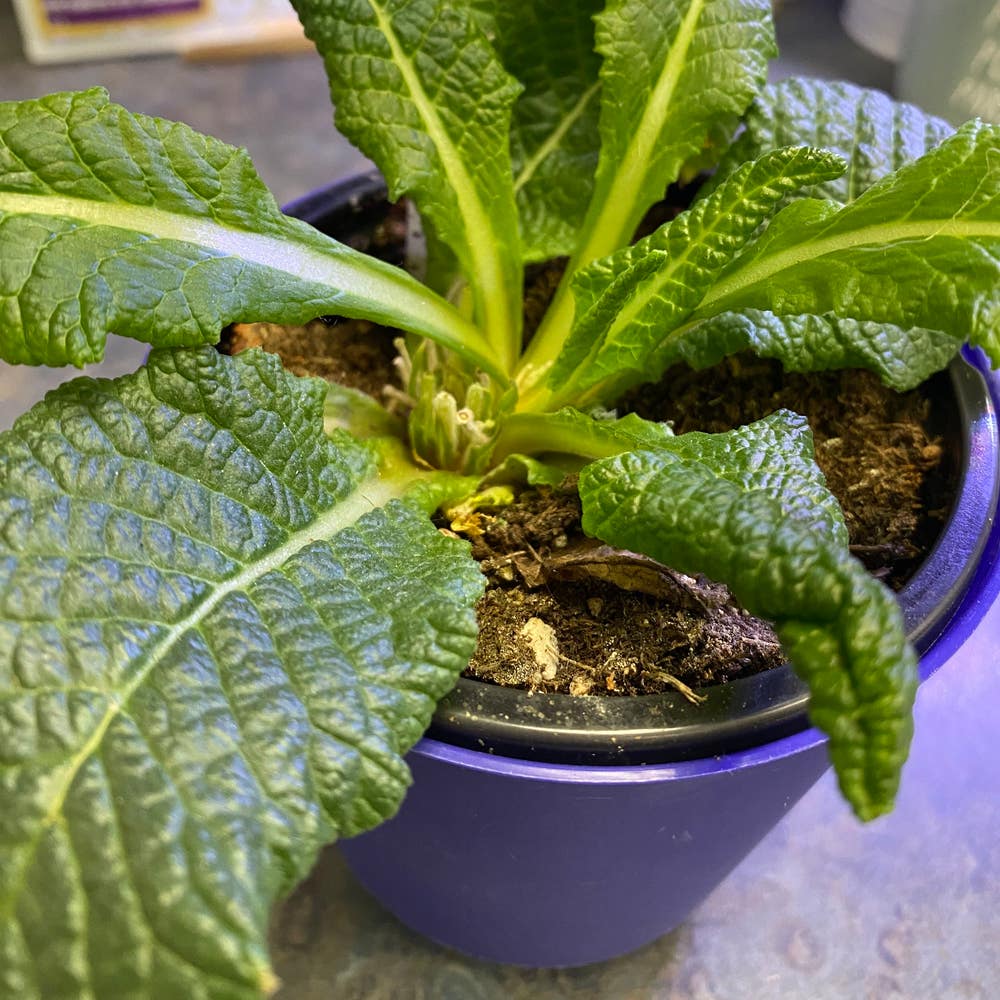
🌸 What to Do About Black Spots on Your Japanese Primrose
Primula japonica
By the Greg Editorial Team
Aug 27, 2024•6 min read
This article was created with the help of AI so we can cover more plants for you. May contain errors. See one? Report it here.
Transform your Japanese Primrose's health by mastering the secrets to preventing and treating black spots! 🌱
- 🌱 Black spots arise from fungal infections, bacterial issues, or nutrient deficiencies.
- 💧 Overwatering and poor drainage lead to root rot and black spots.
- ✂️ Prune affected leaves promptly to prevent spreading infections.
Causes of Black Spots
🦠 Fungal Infections
Fungal infections are a common culprit behind black spots on your Japanese Primrose (Primula japonica). Diseases like powdery mildew and leaf spot thrive in warm, humid environments, making your plants vulnerable if conditions aren't right.
🦠 Bacterial Infections
Bacterial infections, particularly from Pseudomonas, can also affect your Primrose. These issues often arise in overcrowded spaces with poor air circulation, leading to a higher risk of infection.
🥦 Nutrient Deficiencies
Nutrient deficiencies, especially nitrogen and potassium, can manifest as black spots. Signs include yellowing leaves and stunted growth, indicating that your plant isn't getting the nutrients it needs for optimal health.
💧 Overwatering and Poor Drainage
Overwatering is another significant factor, often resulting in wilting and yellowing leaves. Ensuring well-draining soil is crucial; consider using sandy or loamy mixes to promote healthy root development and prevent waterlogging.
Understanding these causes is essential for effective treatment and prevention. By addressing these issues, you can help your Japanese Primrose thrive and avoid the dreaded black spots.
Treatment Options
🌱 Organic Fungicides and Their Application
When dealing with black spots on your Japanese Primrose, organic fungicides can be a game changer. Options like neem oil, sulfur, and copper-based fungicides are effective and safe for your plants.
For best results, apply these fungicides every 7 to 14 days, ensuring even coverage on both the upper and lower leaf surfaces. This consistency helps combat fungal infections effectively.
🏡 Homemade Remedies
If you prefer a DIY approach, a baking soda solution is a fantastic option. Mix one tablespoon of baking soda with a gallon of water, and spray it on the affected leaves every week.
Other home remedies include neem oil and garlic spray. Both are natural and can deter pests while addressing fungal issues.
✂️ Pruning Affected Leaves
Pruning is essential when you notice black spots. Use clean, sharp scissors to remove affected leaves, ideally in the morning when the plant is dry.
Sanitation is crucial; always clean your tools after use to prevent spreading any potential infections. This simple step can make a significant difference in your plant's health.
💧 Adjusting Watering Practices
Watering practices play a vital role in plant health. Aim to water your Japanese Primrose once a week, allowing the top inch of soil to dry out between waterings.
To check soil moisture, stick your finger into the soil. If it feels dry, it’s time to water. This simple test can help you avoid overwatering, which often leads to black spots.
By implementing these treatment options, you can effectively manage and prevent black spots on your Japanese Primrose. Next, let’s explore some prevention strategies to keep your plants thriving.
Prevention Strategies
Proper Watering Techniques 🌊
Watering your Japanese Primrose correctly is crucial for its health. Aim to water deeply but infrequently, allowing the soil to dry slightly between waterings.
Avoid getting water on the foliage, as this can promote fungal diseases. Instead, focus on watering the base of the plant to keep the leaves dry and healthy.
Soil and Drainage Considerations 🪴
Choosing the right soil mix is essential. Opt for well-draining potting mixes that allow excess water to escape, preventing root rot.
Ensure your pots have drainage holes. This simple feature can make a significant difference in maintaining healthy roots and preventing black spots.
Sunlight and Temperature Requirements ☀️
Japanese Primroses thrive in partial shade. While they can tolerate some direct sunlight, too much can scorch their delicate leaves.
Maintain optimal temperature conditions, ideally between 60°F to 70°F. This range helps keep your plants vibrant and reduces stress.
Regular Inspection and Maintenance 🔍
Conduct weekly inspections of your plants. Early detection of issues can save your Primrose from more severe problems down the line.
Keep the area around your plants clean by removing debris. This practice not only enhances aesthetics but also minimizes the risk of pests and diseases.
By implementing these prevention strategies, you can enjoy a thriving Japanese Primrose, free from the worry of black spots. Next, let’s explore seasonal considerations to ensure your plants remain healthy year-round.
Seasonal Considerations
🌱 Care During the Growing Season
To keep your Japanese Primrose thriving, establish a solid fertilization schedule. Use balanced fertilizers, applying them every 4-6 weeks during the growing season to promote healthy growth.
Regularly monitor for pests and diseases. A quick weekly check can help you catch any issues early, ensuring your plants stay vibrant and healthy.
❄️ Winter Care to Prevent Black Spots
As temperatures drop, protecting your Primrose from frost becomes crucial. Use mulch or frost covers to shield your plants during cold snaps.
Adjust your watering routine in winter. Reduce the frequency to prevent waterlogging, which can lead to black spots and other issues.
☔️ Adjusting Care Based on Weather Changes
Be vigilant for signs of stress in your Primrose, such as leaf discoloration or wilting. These symptoms can indicate that your plant needs immediate attention.
Adapt your care practices based on weather conditions. Modify watering amounts and light exposure to suit the changing environment, ensuring your Primrose remains in optimal health.
With these seasonal considerations, you can effectively manage your Japanese Primrose and keep those pesky black spots at bay. Next, let’s explore common misconceptions surrounding these issues.
Common Misconceptions
🖤 Myths About Black Spots and Plant Health
Many gardeners believe that black spots on their Japanese Primrose indicate the plant is dying. In reality, these spots can result from various factors, and not all are dire.
Understanding the variability in symptoms is crucial. Black spots may signal minor issues or be a sign of something more serious, so it's essential to assess the overall health of the plant.
💧 Clarifying the Role of Humidity in Leaf Spots
There's a common misconception that high humidity directly causes leaf spots. While humidity can contribute to fungal growth, it's not the sole factor.
Air circulation plays a vital role in preventing these issues. Ensuring good airflow around your plants can significantly reduce the risk of developing black spots.
🔍 Understanding the Difference Between Cosmetic and Serious Issues
It's important to distinguish between minor blemishes and serious infections. Not every black spot is a cause for alarm; some may simply be cosmetic.
However, timely intervention is key for plant health. Regularly inspecting your Primrose can help you catch any serious issues before they escalate, ensuring your plant remains vibrant and healthy.
⚠️ Safety First
This content is for general information and may contain errors, omissions, or outdated details. It is not medical, veterinary advice, or an endorsement of therapeutic claims.
Always consult a qualified healthcare professional before using any plant as food, medicine, or supplement.
Never eat any plant (or feed one to pets) without confirming its identity with at least two trusted sources.
If you suspect poisoning, call Poison Control (800) 222-1222, the Pet Poison Helpline (800) 213-6680, or your local emergency service immediately.
Spotted an error? Please report it here.
Keep your Japanese Primrose spot-free 🌿 by using Greg's tailored watering reminders and community insights to maintain optimal care and prevent pesky black spots!