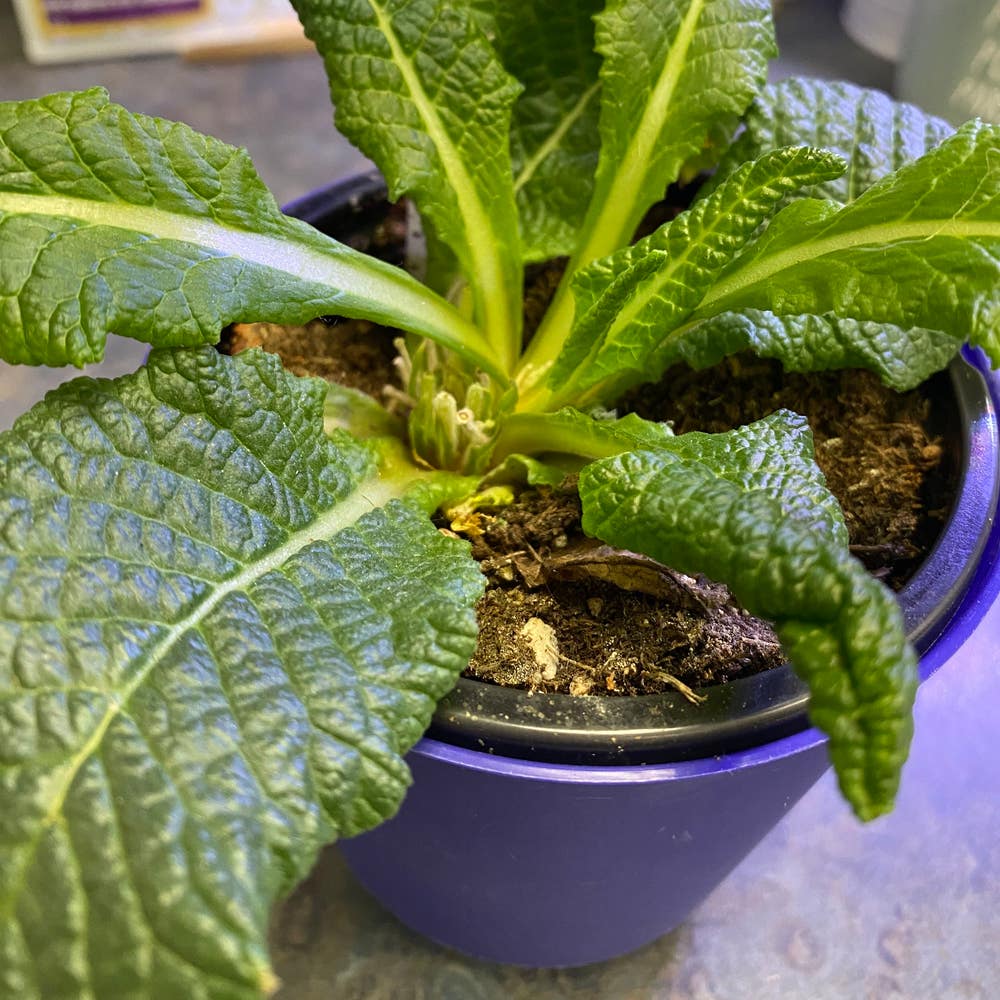
🌸 Japanese Primrose Varieties that Belong in Your Garden
Primula japonica
By the Greg Editorial Team
Aug 27, 2024•5 min read
This article was created with the help of AI so we can cover more plants for you. May contain errors. See one? Report it here.
Elevate your garden with vibrant Japanese primroses 🌸 that bring unique beauty and charm to any space!
- 🌸 Japanese primroses offer diverse cultivars, enhancing your garden's aesthetics and biodiversity.
- 🌿 Hybrid varieties provide disease resistance and longer blooming periods for resilient gardens.
- 🎨 Unique colors and growth habits create stunning focal points and balanced arrangements.
Popular Cultivars and Their Characteristics
🌼 Primula 'Postford White'
Primula 'Postford White' showcases pure white flowers that bring a touch of elegance to any garden. With taller stems, this cultivar is perfect for the back of the border, providing a striking backdrop for shorter plants.
Its strong, upright growth ensures that these blooms stand tall and proud, making them a reliable choice for gardeners looking to create a visually appealing display.
❤️ Primula 'Miller's Crimson'
For those seeking vibrant color, Primula 'Miller's Crimson' offers deep crimson flowers that are sure to catch the eye. This medium-height cultivar is ideal for mid-border planting, adding a rich hue that attracts pollinators and enhances biodiversity in your garden.
The lush color not only brightens up the space but also invites bees and butterflies, making it a favorite among nature lovers.
🌸 Primula 'Apple Blossom'
If compact growth is what you need, look no further than Primula 'Apple Blossom.' With soft pink flowers featuring a charming yellow eye, this cultivar is perfect for smaller gardens or as an edging plant.
Its delicate appearance adds a gentle touch, making it a lovely choice for creating borders or filling in gaps in your garden design.
These popular cultivars each bring unique characteristics to the table, enhancing the beauty and diversity of your garden. As you explore these options, consider how their distinct features can complement your overall landscape design.
Next, let's dive into the unique features of hybrid varieties that can elevate your gardening experience even further.
Unique Features of Hybrid Varieties
🌱 Hybrid Varieties
Hybrid Japanese primroses are a gardener's dream, offering enhanced disease resistance that keeps your garden thriving. Varieties like Primula 'Gold Lace' showcase this resilience, making them less susceptible to common ailments.
🌼 Longer Blooming Periods
One of the standout features of hybrids is their longer blooming periods. For instance, Primula 'Belarina Pink' not only blooms earlier in the season but also extends its flowering time, providing vibrant color when many other plants have faded.
🌟 Unique Characteristics
Hybrids often boast unique characteristics that set them apart. Some have variegated leaves, adding visual interest even when not in bloom, while others feature unusual flower shapes that can become conversation starters in your garden.
These unique features make hybrid varieties a fantastic choice for any garden enthusiast. As you plan your planting, consider how these resilient and visually striking options can enhance your outdoor space.
Rare Japanese Primrose Varieties
Characteristics of Rare Varieties 🌸
Rare Japanese primrose varieties hold a special allure for collectors and gardening enthusiasts. Their scarcity often makes them highly sought after, adding a unique charm to any garden.
Examples of Rare Varieties 💎
One standout is Primula japonica 'Mikado', known for its striking bicolored flowers that transition from deep purple to soft lavender. Another gem is Primula sieboldii, which features delicate, frilled petals and a captivating fragrance.
Cultivation Challenges 🌱
Growing rare varieties can be rewarding yet challenging. They often require specific soil conditions and consistent moisture, making them less forgiving than more common cultivars.
Conclusion 🌼
Understanding the unique traits and cultivation needs of these rare varieties can enhance your gardening experience. As you explore these gems, you'll discover the joy of nurturing something truly special in your garden.
Color Variations and Size Differences
🌈 Spectrum of Colors
Japanese primroses come in a stunning range of colors, including white, pink, purple, and crimson. Each hue adds a unique charm to your garden, making it a vibrant tapestry of blooms.
Bicolored and multi-toned flowers are particularly eye-catching. These unique combinations can create focal points in your garden, drawing the eye and enhancing visual appeal.
🎨 Impact on Garden Design
The color variations in Japanese primroses can significantly influence your garden's overall design. By strategically placing different colors, you can create depth and interest, transforming a simple garden into a captivating landscape.
🌱 Growth Habits
When it comes to size, Japanese primroses offer both tall and compact varieties. Taller cultivars are perfect for the back of borders, while compact ones fit beautifully in smaller spaces.
Different cultivars also exhibit varying clumping behaviors. Some spread widely, filling in gaps, while others maintain a tighter form, making them ideal for specific planting locations.
📍 Ideal Planting Locations Based on Size
Understanding the growth habits of these plants helps you choose the right spot in your garden. Tall varieties thrive in the back, while compact ones shine in front or as edging plants, ensuring a well-balanced and visually appealing arrangement.
With their diverse colors and growth habits, Japanese primroses can elevate any garden design. Next, let's explore the unique features of hybrid varieties that make them stand out even more.
Cultivar-Specific Care Requirements
🌼 Special Care for Popular Cultivars
Watering and Soil Needs
Japanese primroses thrive in well-draining, consistently moist soil. It's crucial to maintain moisture without waterlogging, as this can lead to root rot.
Fertilization is equally important. Use a balanced, slow-release fertilizer in early spring to support robust growth and vibrant blooms.
🌱 Unique Needs of Hybrid Varieties
Environmental Considerations
Hybrid varieties often prefer partial shade, which mimics their natural habitat. Too much direct sunlight can scorch their delicate leaves.
Temperature tolerance varies among hybrids. Many can withstand cooler temperatures, but it's essential to monitor them during extreme weather changes.
🌿 Considerations for Rare Varieties
Cultivation Challenges
Rare varieties often have specific soil and moisture requirements. They may need a more acidic or nutrient-rich environment to flourish.
Pest and disease management is crucial for these unique plants. Regular inspections and organic treatments can help protect them from common threats, ensuring their survival in your garden.
With the right care, your Japanese primroses can thrive, adding beauty and diversity to your garden. Next, let’s explore the unique features of hybrid varieties that make them stand out.
⚠️ Safety First
This content is for general information and may contain errors, omissions, or outdated details. It is not medical, veterinary advice, or an endorsement of therapeutic claims.
Always consult a qualified healthcare professional before using any plant as food, medicine, or supplement.
Never eat any plant (or feed one to pets) without confirming its identity with at least two trusted sources.
If you suspect poisoning, call Poison Control (800) 222-1222, the Pet Poison Helpline (800) 213-6680, or your local emergency service immediately.
Spotted an error? Please report it here.
Transform your garden with the vibrant colors of Japanese primroses 🌈—let Greg guide you with tailored care tips and watering reminders for thriving blooms all season long!