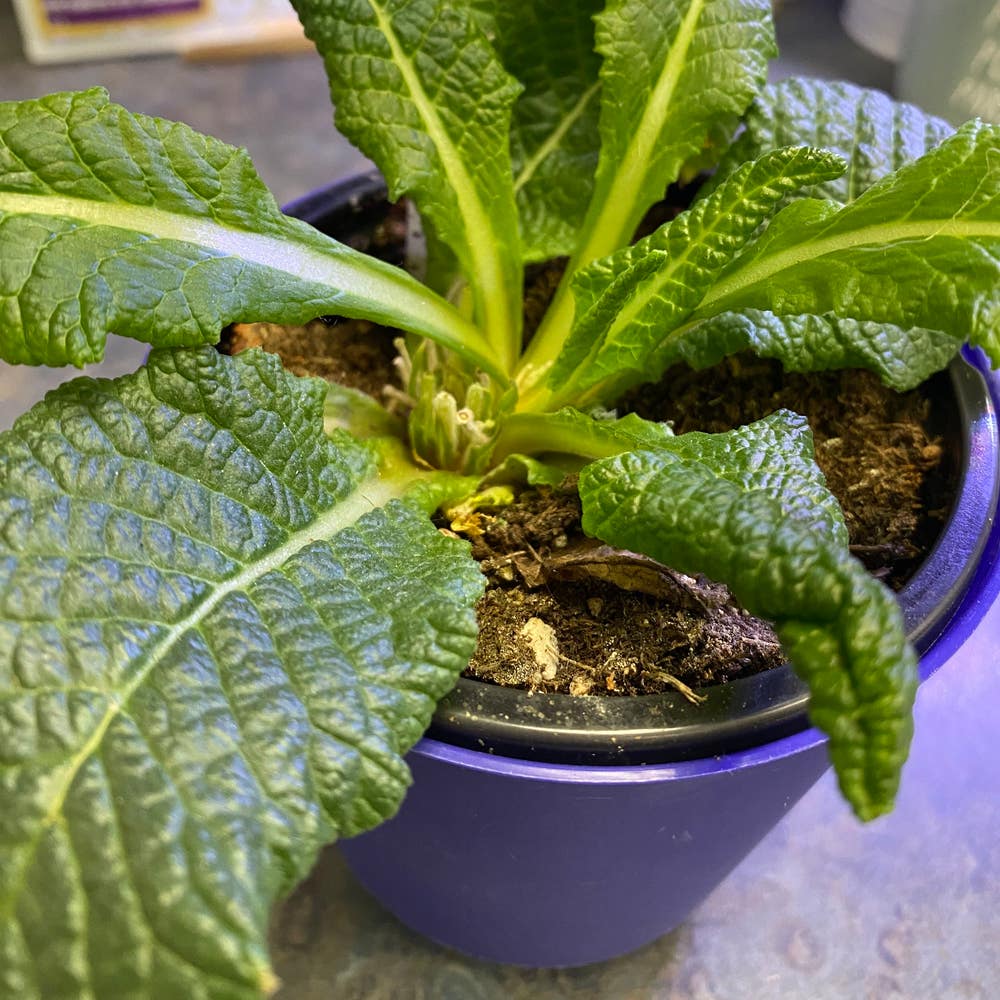
🌸 3 Essential Indoor Japanese Primrose Care Routines
Primula japonica
By the Greg Editorial Team
Aug 27, 2024•5 min read
This article was created with the help of AI so we can cover more plants for you. May contain errors. See one? Report it here.
Elevate your indoor garden with thriving Japanese primroses 🌸 by mastering their light and care needs!
- 🌞 Bright, indirect sunlight for 10-12 hours is crucial for thriving Japanese primroses.
- 💧 Water weekly and maintain humidity between 50-70% for optimal growth.
- 🌱 Use well-draining soil and fertilize every 4-6 weeks during the growing season.
Light Requirements
Optimal Indoor Light Levels 🌞
To thrive, indoor Japanese primroses need bright, indirect sunlight. Direct sunlight can scorch their delicate leaves, so aim for a light duration of 10-12 hours daily to keep them healthy and vibrant.
Role of Grow Lights 💡
Grow lights play a crucial role in indoor gardening, especially during shorter days. They supplement natural light, ensuring your primroses receive the energy they need to flourish.
Types of Grow Lights
When selecting grow lights, consider LED and fluorescent options. Both are effective, but LEDs are often more energy-efficient and longer-lasting.
Factors to Consider When Choosing Grow Lights
- Light Spectrum: Opt for full-spectrum lights to promote balanced growth.
- Wattage: A range of 20-40 watts is ideal for small to medium plants.
- Height Adjustment: Position lights 12-24 inches above your plants to maximize their benefits.
By understanding these light requirements, you can create an ideal environment for your indoor Japanese primroses. This foundation will help ensure they thrive and bloom beautifully. Next, let’s explore their watering needs to keep them hydrated and healthy.
Watering Needs
Frequency and Method of Watering 🌊
Watering your indoor Japanese primrose is crucial for its health. Aim to water once a week, but be ready to adjust based on humidity levels in your home.
When you do water, ensure you do it thoroughly. Water until you see excess draining from the bottom of the pot, which helps prevent root rot.
Signs of Overwatering and Underwatering 🚨
It's essential to recognize the signs of overwatering. Look for yellowing leaves and mushy stems, which indicate your plant is drowning.
On the flip side, underwatering shows up as wilting and dry leaf edges. If you notice these symptoms, tweak your watering schedule accordingly to keep your primrose thriving.
By paying attention to these signs, you can maintain a healthy watering routine that supports your plant's growth. This will set the stage for the next section on humidity and temperature, which are equally vital for your primrose's well-being.
Humidity and Temperature
🌧️ Ideal Humidity Levels
Maintaining optimal humidity levels is crucial for your indoor Japanese primrose. Aim for a range of 50-70% to promote healthy flower development and vibrant leaf health.
🌡️ Temperature Preferences
Your primrose thrives best in temperatures between 15°C to 20°C (59°F to 68°F). Be mindful to avoid extreme fluctuations and drafts that can stress the plant.
💧 Humidity Control Techniques
To boost humidity, consider these effective methods:
Humidifiers
Using a humidifier can help maintain consistent moisture levels in your home, creating a comfortable environment for your plants.
Pebble Trays
Fill trays with water and pebbles to create a microclimate. As the water evaporates, it increases humidity around your primrose.
Grouping Plants
Grouping your plants together can enhance local humidity through transpiration. This natural method not only benefits your primrose but also creates a lush, green aesthetic.
By focusing on humidity and temperature, you set the stage for your Japanese primrose to flourish. Next, let’s explore the best soil and fertilization practices to keep your plant thriving.
Soil and Fertilization
🌱 Best Soil Type
For your indoor Japanese primrose, a well-draining, rich potting mix is essential. Look for a blend that includes peat moss, perlite, and compost to ensure optimal moisture retention.
📅 Fertilization Schedule and Types
Fertilize your primrose every 4-6 weeks during the growing season to keep it thriving. Use balanced, water-soluble fertilizers, ideally with an NPK ratio of 10-10-10, and always dilute to half-strength to prevent root burn.
Maintaining the right soil and fertilization routine is crucial for your plant's health. With proper care, your Japanese primrose will flourish, setting the stage for vibrant blooms.
Next, let’s explore how humidity and temperature play a vital role in your plant's growth.
Common Issues and Solutions
🐛 Pests and Diseases
Indoor Japanese primroses can attract a few common pests. Watch out for aphids, spider mites, and mealybugs, which can wreak havoc on your plants.
Signs of an infestation include sticky residue on leaves, webbing, and visible insects. Regular inspections of leaves and stems are crucial; aim to check them weekly to catch any issues early.
For natural pest control, consider using neem oil or insecticidal soap. These options are effective and less harsh than chemical treatments, making them ideal for indoor plants.
🦠 Common Diseases and Their Treatments
Root rot is a significant concern, often caused by overwatering. If you notice your plant's roots are mushy, it's time to repot in fresh, well-draining soil.
Another common issue is powdery mildew, which appears as white, powdery spots on leaves. To combat this, use fungicides and ensure good air circulation around your plants.
By staying vigilant and addressing these common issues, you can keep your indoor Japanese primrose thriving. Next, let’s explore how to maintain optimal placement and care for these beautiful plants.
Placement and Maintenance
🌞 Best Locations
For your indoor Japanese primrose, east or north-facing windows are the best spots. These locations provide bright, indirect sunlight, essential for healthy growth.
Avoid placing your plant in areas with direct drafts or extreme temperatures. Sudden changes can stress the plant, leading to poor health.
✨ Tips for Maintaining Appearance
Regular deadheading is crucial for keeping your primrose looking vibrant. By removing spent flowers, you encourage new blooms to flourish.
Leaf care is equally important. Wiping leaves with a damp cloth helps remove dust, allowing the plant to absorb more light.
🌱 Seasonal Considerations
As spring arrives, it's time to increase watering and fertilization. This boost supports the plant's growth as it comes out of dormancy.
In winter, reduce watering and maintain humidity levels. This helps prevent stress during the colder months, ensuring your primrose stays healthy.
With these placement and maintenance tips, your indoor Japanese primrose will thrive beautifully. Next, let’s explore soil and fertilization to keep your plant nourished and flourishing.
⚠️ Safety First
This content is for general information and may contain errors, omissions, or outdated details. It is not medical, veterinary advice, or an endorsement of therapeutic claims.
Always consult a qualified healthcare professional before using any plant as food, medicine, or supplement.
Never eat any plant (or feed one to pets) without confirming its identity with at least two trusted sources.
If you suspect poisoning, call Poison Control (800) 222-1222, the Pet Poison Helpline (800) 213-6680, or your local emergency service immediately.
Spotted an error? Please report it here.
Keep your indoor Japanese primrose blooming beautifully 🌸 by using Greg's tailored watering reminders and light suggestions to thrive all year round!