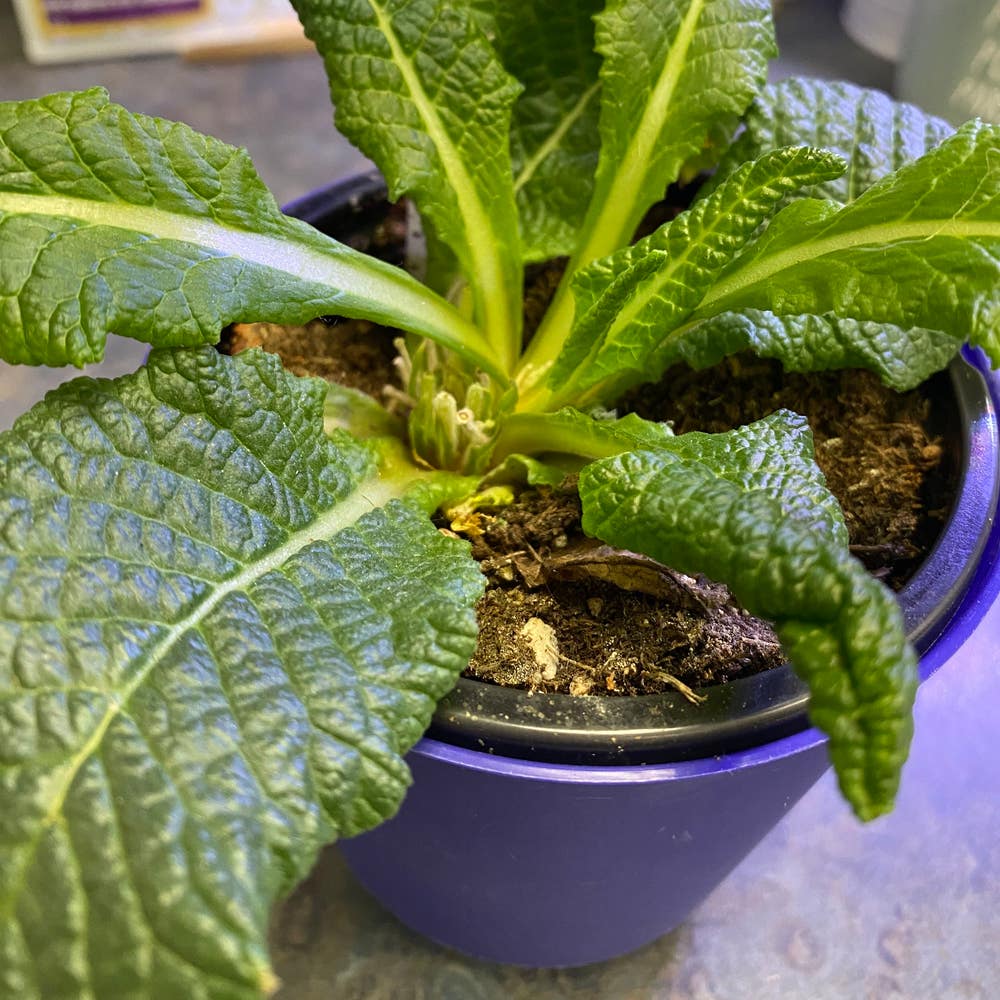
🌸 5 Easy Ways to Pollinate Japanese Primrose
Primula japonica
By the Greg Editorial Team
Aug 27, 2024•5 min read
This article was created with the help of AI so we can cover more plants for you. May contain errors. See one? Report it here.
Discover how mastering Japanese Primrose pollination 🌸 can elevate your garden's beauty and support biodiversity!
- 🌼 Japanese Primrose can self-pollinate, ensuring survival without pollinators.
- 🐝 Bees and butterflies are key pollinators, enhancing genetic diversity.
- 🌱 Hand pollination boosts fertilization when natural pollinators are scarce.
Flower Structure
Description of Flower Parts 🌸
Japanese Primrose flowers are a visual delight. Their petals come in various shapes and colors, often arranged in vibrant clusters that attract the eye.
The sepals, typically numbering five, play a crucial role in protecting the flower bud. They shield the delicate petals until it's time for them to bloom.
Stamens are vital for pollen production. Each stamen consists of a filament topped with an anther, where pollen grains develop.
Pistils are the female reproductive parts of the flower. They consist of the ovary, style, and stigma, playing a key role in fertilization.
Role of Flower Structure in Pollination 🐝
The structure of Japanese Primrose facilitates self-pollination effectively. The close proximity of stamens and pistils allows pollen to transfer easily within the same flower.
For cross-pollination, the flower's design is equally important. Bright colors and enticing scents attract various pollinators, ensuring genetic diversity and robust plant reproduction.
Understanding these mechanisms not only enhances our appreciation of Japanese Primrose but also highlights the intricate relationships between plants and their pollinators.
This knowledge sets the stage for exploring the pollination process in detail.
Pollination Process
🌱 Self-Pollination
Japanese Primrose has a fascinating ability to self-pollinate. This means that the flower can fertilize itself without needing pollen from another plant.
Self-pollination offers several benefits for plant reproduction. It ensures that the plant can reproduce even in the absence of pollinators, which is crucial for survival in less favorable conditions.
🐝 Identification of Primary Pollinators
Bees are the primary pollinators for Japanese Primrose. Their attraction to the flower's structure helps in transferring pollen effectively.
Butterflies also play a significant role, drawn by the flower's shape and nectar availability. Moths and hummingbirds contribute to cross-pollination, enhancing genetic diversity among plants.
🌼 Attraction Mechanisms for Pollinators
The color and scent of Japanese Primrose are key features that attract specific pollinator species. Bright colors signal to pollinators that nectar is available, while pleasant scents lure them in.
Timing is also essential; seasonal variations influence when flowers bloom and when pollinators are most active. Understanding these patterns can help gardeners optimize their planting strategies.
This knowledge about pollination processes sets the stage for exploring hand pollination techniques, ensuring successful fertilization even when natural pollinators are scarce.
Hand Pollination Techniques
Hand pollination can be a rewarding way to ensure your Japanese Primrose thrives. Here’s a straightforward guide to help you navigate the process.
Step 1: Identifying Male and Female Flower Parts 🌸
Start by examining the flower closely. The stamens, which produce pollen, are typically slender and protrude from the center, while the pistil, responsible for fertilization, is often located in the middle and may appear thicker.
Step 2: Collecting Pollen 🧪
Once you've identified the stamens, gently tap or brush them to collect pollen. You can use a small brush or even your fingertip to gather the fine yellow grains without damaging the flower.
Step 3: Transferring Pollen 🔄
Next, transfer the collected pollen to the pistil. Lightly dab the pollen onto the sticky stigma at the top of the pistil, ensuring good contact for successful fertilization.
Step 4: Timing ⏰
Timing is crucial for effective hand pollination. Aim to perform this task in the morning when flowers are fully open and receptive, as this is when they are most likely to accept pollen.
By following these steps, you can enhance the reproductive success of your Japanese Primrose. This hands-on approach not only supports plant growth but also deepens your connection to nature.
Next, let’s explore how to create a pollinator-friendly environment to further support these beautiful flowers.
Supporting Pollinators
🌼 Creating a Pollinator-Friendly Environment
To attract pollinators, start by planting native species. Native plants are adapted to local conditions and provide essential food sources for bees, butterflies, and other pollinators.
Biodiversity is crucial; a variety of plants ensures that different pollinators find what they need throughout the growing season. This diversity creates a vibrant ecosystem that supports healthy pollinator populations.
Additionally, providing water sources is vital. Simple features like birdbaths or shallow dishes filled with pebbles can create habitats where pollinators can hydrate and thrive.
🌱 Suggested Companion Plants
Consider adding companion plants that thrive alongside Japanese Primrose. Some excellent options include:
- Lavender: Attracts bees and adds fragrance.
- Echinacea (Coneflower): Offers nectar and pollen for various pollinators.
- Bee Balm: A favorite among hummingbirds and butterflies.
These plants not only enhance the beauty of your garden but also boost pollinator activity. By creating a welcoming environment, you’ll support the essential work of these creatures in your garden and beyond.
As you cultivate your pollinator-friendly space, remember that every small effort counts. The next section will explore common challenges to successful pollination and how to overcome them.
Pollination Challenges
🌼 Common Obstacles to Successful Pollination
Pollination can be tricky for Japanese Primrose due to various environmental factors. Temperature fluctuations and high humidity levels can deter pollinators, affecting their behavior and activity.
Another significant challenge is the lack of pollinators. Signs of insufficient pollinator presence include fewer flowers producing seeds or noticeable gaps in flower visitation.
🛠️ Solutions for Overcoming Challenges
Improving pollinator habitats is essential for successful pollination. Start by planting native species that attract local pollinators, creating a diverse ecosystem.
Additionally, consider techniques like providing water sources and shelter. These small changes can significantly enhance pollinator activity and ensure your Japanese Primrose thrives.
By addressing these challenges, you can create a supportive environment for pollinators, leading to better pollination success. This proactive approach not only benefits your plants but also contributes to the overall health of the ecosystem.
⚠️ Safety First
This content is for general information and may contain errors, omissions, or outdated details. It is not medical, veterinary advice, or an endorsement of therapeutic claims.
Always consult a qualified healthcare professional before using any plant as food, medicine, or supplement.
Never eat any plant (or feed one to pets) without confirming its identity with at least two trusted sources.
If you suspect poisoning, call Poison Control (800) 222-1222, the Pet Poison Helpline (800) 213-6680, or your local emergency service immediately.
Spotted an error? Please report it here.
Boost your Japanese Primrose blooms and attract vital pollinators 🌼 by using Greg's personalized tips and reminders to create a thriving garden environment!