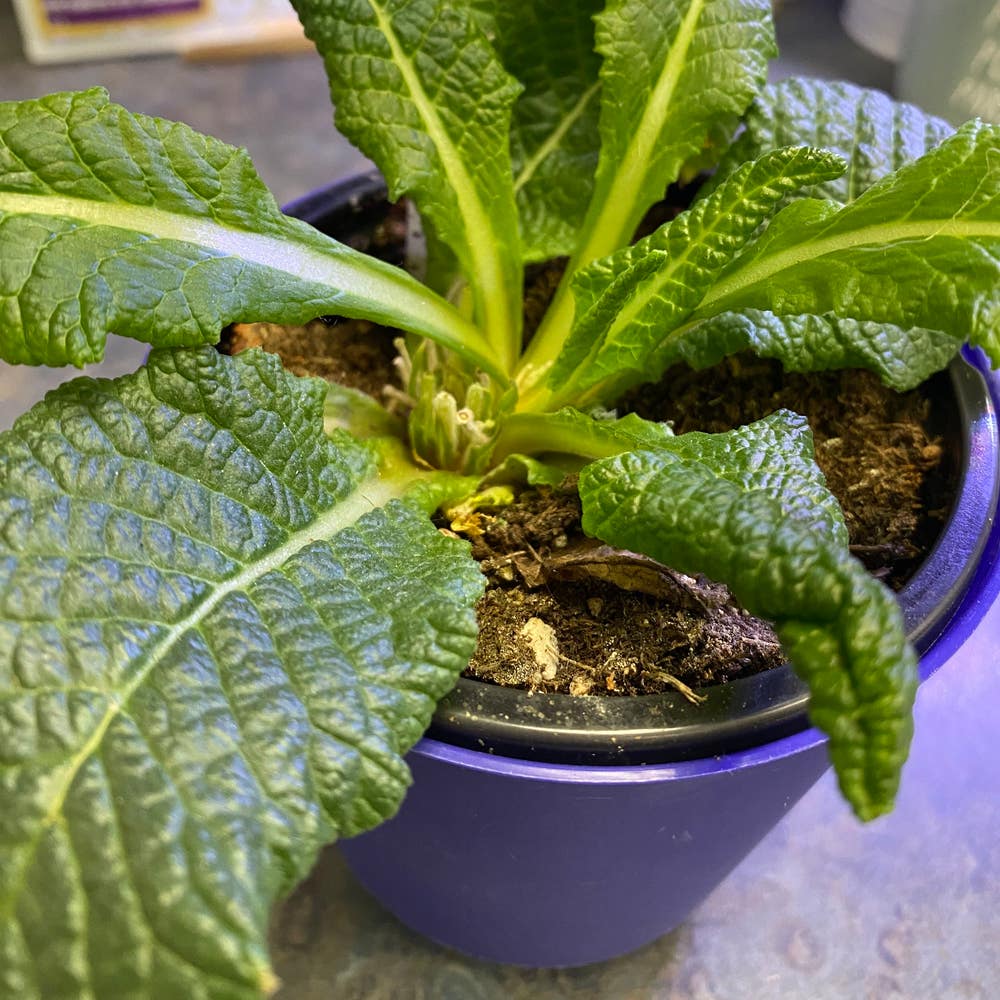
🌸 9 Secrets to Thriving Outdoor Japanese Primrose
Primula japonica
By the Greg Editorial Team
Aug 27, 2024•5 min read
This article was created with the help of AI so we can cover more plants for you. May contain errors. See one? Report it here.
Cultivate stunning Japanese primrose 🌸 by mastering sunlight, watering, and soil care for vibrant blooms!
- 🌞 Japanese primrose needs 4-6 hours of sunlight for optimal growth; adjust for heat.
- 💧 Water 1-2 times weekly; watch for wilting or yellowing leaves as signs.
- 🌱 Use well-drained, slightly acidic soil and enrich with organic matter for best results.
Sunlight Needs
Ideal Exposure 🌞
Japanese primrose thrives in partial shade to full sun, ideally receiving 4-6 hours of direct sunlight daily. However, too much direct sunlight can scorch the leaves and diminish flowering, so finding that sweet spot is crucial.
Adjusting Light Conditions 🌤️
In hotter climates, it's wise to provide afternoon shade to prevent wilting. Keep an eye on how your plant responds to light and be ready to adjust its placement as needed for optimal health.
By understanding and managing sunlight exposure, you set the stage for a flourishing Japanese primrose. Next, let’s dive into its watering requirements to keep your plant thriving.
Watering Requirements
Moisture Needs 🌧️
Japanese primrose thrives in consistently moist soil, making proper watering essential. Aim to water 1-2 times per week, adjusting based on rainfall to keep the soil evenly damp but not waterlogged.
Signs of Underwatering or Overwatering 🚨
Watch for signs of distress in your plants. Underwatering manifests as wilting leaves and drooping flowers, while overwatering can lead to yellowing leaves and root rot.
Watering Techniques 💧
For optimal moisture distribution, consider using a soaker hose or drip irrigation. Additionally, applying mulch around the base of the plant helps retain soil moisture, creating a more stable environment for growth.
By mastering these watering techniques, you’ll set your Japanese primrose up for success. Next, let’s explore the ideal soil preferences to ensure your plants flourish.
Soil Preferences
Ideal Composition 🌱
Japanese primrose thrives in moist, well-drained soil with a slightly acidic to neutral pH, ideally between 6.0 and 7.0. To enhance soil quality, incorporate organic matter like compost or peat moss, which not only improves drainage but also enriches nutrient content.
Drainage 🚰
Good drainage is crucial to prevent root rot, a common issue for these plants. If your soil is heavy clay, consider using raised beds to improve drainage and create a healthier environment for your primrose.
Testing 🧪
Regular soil testing is essential to determine pH and nutrient levels. This allows you to amend the soil as necessary, ensuring your Japanese primrose has the best possible conditions for growth.
By focusing on the right soil preferences, you set the stage for a thriving outdoor Japanese primrose. Next, let’s explore the various planting options that can further enhance your gardening experience.
Planting Options
🌱 Container vs. Ground Planting
When deciding between container and ground planting for your Japanese Primrose, consider your space and gardening goals. Each option has its unique advantages and challenges.
🪴 Benefits of Container Planting
Container planting offers remarkable flexibility. You can easily move pots around to find the perfect light conditions or create a stunning patio display.
It's also ideal for small spaces, allowing you to enjoy these beautiful blooms even in limited areas. Plus, controlling soil conditions becomes a breeze, ensuring your plants thrive.
⚠️ Drawbacks of Container Planting
However, container planting comes with its own set of challenges. You'll need to water more frequently due to the limited soil volume, which can dry out quickly.
Additionally, containers can overheat in summer, stressing your plants. Winter protection is also necessary to keep roots safe from freezing temperatures.
🌳 Benefits of Ground Planting
On the other hand, ground planting provides more stable moisture levels. This option allows for a larger root system, which can lead to healthier, more robust plants.
Ground planting is also better for long-term growth and attracting pollinators, creating a vibrant ecosystem in your garden.
🐛 Drawbacks of Ground Planting
Yet, ground planting isn't without its downsides. You have less control over soil conditions, which can lead to issues with pests and diseases.
Moreover, the potential for soil-borne diseases is higher, so regular monitoring is essential to keep your plants healthy.
In summary, both planting options have their pros and cons. Your choice will depend on your gardening style, space availability, and commitment to maintenance.
Next, let’s explore how to protect your Japanese Primrose from weather extremes and pests.
Weather Protection and Pest Management
🌞 Protecting from Extreme Heat
During peak summer heat, your Japanese primrose needs extra care. Use shade cloth to shield it from harsh sunlight and water more frequently to prevent stress.
❄️ Protecting from Frost and Cold
As temperatures drop, insulation becomes crucial. Use frost cloths or mulch to protect the roots during winter, and consider moving containers indoors or to a sheltered spot.
🐞 Common Outdoor Pests
Aphids
Aphids can be a nuisance, showing up as curling leaves and sticky residue. Control them effectively with insecticidal soap or neem oil.
Slugs and Snails
Look out for irregular holes in leaves, a telltale sign of slugs and snails. Handpicking or using bait traps can help manage these pests.
🛡️ Disease Prevention Strategies
To keep your plants healthy, rotate planting locations to avoid soil-borne diseases. Good air circulation around your plants is also essential for preventing issues.
🍂 Seasonal Care
Spring is the perfect time to remove dead foliage and debris, encouraging new growth. In summer, keep an eye out for pests and diseases, while fall is ideal for cutting back spent flowers and foliage.
Finally, insulate roots with mulch or frost cloth in winter to ensure your primrose thrives through the seasons.
With these strategies, your Japanese primrose will be well-equipped to handle the elements and pests, setting the stage for vibrant growth. Next, let’s explore the ideal soil preferences for these beautiful plants.
⚠️ Safety First
This content is for general information and may contain errors, omissions, or outdated details. It is not medical, veterinary advice, or an endorsement of therapeutic claims.
Always consult a qualified healthcare professional before using any plant as food, medicine, or supplement.
Never eat any plant (or feed one to pets) without confirming its identity with at least two trusted sources.
If you suspect poisoning, call Poison Control (800) 222-1222, the Pet Poison Helpline (800) 213-6680, or your local emergency service immediately.
Spotted an error? Please report it here.
Grow your Japanese primrose like a pro 🌱 with Greg's tailored watering alerts and soil tips, ensuring your plants thrive in every season!