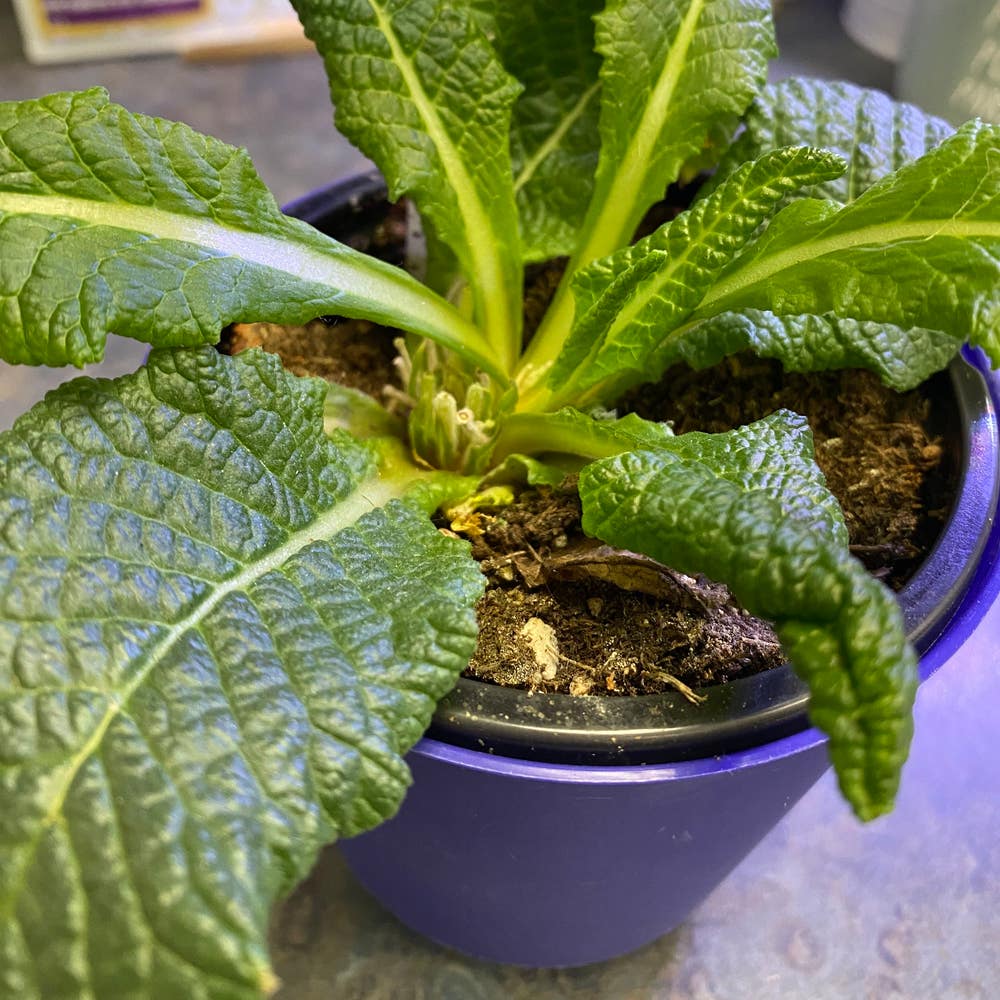
5 Perfect Pot Styles for Japanese Primrose 🌸
Primula japonica
By the Greg Editorial Team
Aug 27, 2024•6 min read
This article was created with the help of AI so we can cover more plants for you. May contain errors. See one? Report it here.
Unlock your Japanese primrose's full potential 🌱 by mastering the art of pot size and material selection! 🪴
- 🌱 Choose pots 4-12 inches in diameter for optimal growth at each plant stage.
- 🚫 Prevent root binding by repotting when roots emerge from drainage holes.
- 💧 Ensure proper drainage with 3-5 holes to avoid root rot and promote health.
Pot Size for Different Growth Stages
Recommended Sizes for Seedlings 🌱
For seedlings, the ideal container size is between 4 to 6 inches in diameter. Ensure the pot is at least 4 inches deep to support healthy root development.
Recommended Sizes for Young Plants 🌿
As your Japanese primrose grows, transition to a pot that is 6 to 8 inches in diameter. A depth of 6 to 8 inches is crucial to accommodate the expanding root system.
Recommended Sizes for Mature Plants 🌳
Mature plants thrive in pots that are 10 to 12 inches in diameter. These pots should also be 10 to 12 inches deep, allowing ample space for full root expansion.
Growth Stage Transition 🔄
Timely adjustments in pot size are essential to prevent root binding. Watch for signs that indicate a need for a larger pot, such as roots emerging from the drainage holes.
By understanding the right pot sizes for each growth stage, you can ensure your Japanese primrose remains healthy and vibrant. This knowledge sets the stage for exploring pot materials, which can further enhance your plant's growth.
Pot Materials
Advantages and Disadvantages of Clay Pots 🌱
Clay pots are a popular choice among gardeners for several reasons. Their breathable material promotes air circulation to the roots, which is essential for healthy growth.
However, they come with some drawbacks. Clay pots are heavy, making them difficult to move, and they can crack in extreme temperatures, which may lead to plant stress.
Advantages and Disadvantages of Plastic Pots ♻️
Plastic pots offer a lightweight alternative that many find easier to handle. They retain moisture longer, reducing the frequency of watering, which is a plus for busy gardeners.
On the downside, plastic pots are less breathable than clay. This can lead to root rot if moisture levels aren't carefully monitored, and they often lack the aesthetic appeal of their clay counterparts.
Other Materials to Consider 🪴
Ceramic Pots
Ceramic pots can elevate your plant display with their attractive designs. They provide good insulation for roots, helping to maintain stable temperatures.
Yet, they can be heavy and often come with a higher price tag. If you're looking for a stylish option, be prepared to invest a bit more.
Biodegradable Pots 🌍
Biodegradable pots are an eco-friendly choice, especially for seedlings. They break down over time, enriching the soil as they decompose.
However, they may not last long for mature plants and often have limited aesthetic options. If sustainability is your goal, these pots are worth considering, but keep in mind their lifespan.
As you weigh your options, remember that the right pot material can significantly impact your Japanese primrose's health and growth. Next, let’s explore the crucial aspect of drainage considerations to ensure your plants thrive.
Drainage Considerations
Importance of Drainage Holes for Healthy Growth 🌱
Drainage holes are crucial for preventing waterlogging, a common issue that can lead to root rot. Aim for at least 3-5 holes in your pot to ensure adequate drainage.
Ensuring Proper Drainage in Pots 🚰
To promote healthy growth, use a well-draining potting mix tailored for your plants. Additionally, consider adding a layer of gravel or stones at the bottom of the pot to enhance drainage.
Signs of Poor Drainage and Their Impact ⚠️
Watch for symptoms like yellowing leaves or wilting, even when you've watered adequately. Over time, poor drainage can stunt growth and increase susceptibility to diseases, making it vital to address any drainage issues promptly.
By keeping an eye on these factors, you can ensure your Japanese Primrose thrives in its environment. Next, let’s explore the guidelines for repotting these beautiful plants effectively.
Repotting Guidelines
🕒 When to Repot Japanese Primrose
Repotting is essential for the health of your Japanese Primrose. Look for indicators like roots visible through drainage holes or signs of stunted growth.
It's generally recommended to repot every 1-2 years, or whenever the current pot size becomes inadequate. Keeping an eye on these signs will help your plant thrive.
🪴 Choosing the Right Pot When Repotting
Selecting the right pot is crucial for your plant's growth stage. Aim for a pot size that allows for at least 2 inches of growth.
Consider the material based on your environment. For dry climates, clay pots are ideal, while plastic pots work better in humid conditions.
📋 Step-by-Step Guide to Repotting
Repotting can seem daunting, but following these steps makes it manageable:
- Prepare the new pot: Ensure it has drainage holes and add a layer of gravel for better drainage.
- Remove the plant: Gently take the plant out of its current pot, being careful not to damage the roots.
- Loosen roots: If the roots are tightly bound, gently loosen them before placing the plant in the new pot.
- Fill with potting mix: Use fresh potting mix, ensuring the plant sits at the same depth as before.
- Water and recover: Water thoroughly and place the pot in a shaded area to help the plant recover.
By following these guidelines, you can ensure your Japanese Primrose continues to flourish in its new home. Transitioning to the next topic, let’s explore how pot choice impacts plant health.
Impact of Pot Choice on Plant Health
🌱 How Pot Choice Affects Growth and Flowering
Selecting the right pot is crucial for the growth and flowering of Japanese Primrose. A well-chosen pot enhances root development, leading to healthier plants and more vibrant blooms.
Conversely, poor pot selection can hinder nutrient uptake and overall plant vigor. This can result in lackluster growth and fewer flowers, leaving your garden less colorful than it could be.
⚠️ Common Issues Related to Pot Selection
Root Rot
Root rot is a common issue that arises from poor drainage and overwatering in unsuitable pots. When water accumulates, roots suffocate and decay, leading to serious health problems for your plant.
To prevent root rot, choose pots with adequate drainage holes and monitor moisture levels closely. A well-draining potting mix can also make a significant difference.
Stunted Growth
Stunted growth often occurs when a pot is too small, restricting root expansion. This limitation can prevent your Japanese Primrose from reaching its full potential.
Regularly assess pot size and repot as needed to ensure your plant has room to grow. This proactive approach can save you from future headaches.
👀 Tips for Monitoring Plant Health Based on Pot Choice
Keep an eye out for signs of stress, such as wilting or discoloration. These symptoms can indicate that your pot choice may not be serving your plant well.
Adjust watering and fertilization based on the pot material and size. This tailored approach can optimize growth conditions and keep your Japanese Primrose thriving.
With the right pot, your plants will flourish, bringing beauty and joy to your space. Now, let’s explore the next important aspect: repotting guidelines to ensure your plants continue to thrive!
⚠️ Safety First
This content is for general information and may contain errors, omissions, or outdated details. It is not medical, veterinary advice, or an endorsement of therapeutic claims.
Always consult a qualified healthcare professional before using any plant as food, medicine, or supplement.
Never eat any plant (or feed one to pets) without confirming its identity with at least two trusted sources.
If you suspect poisoning, call Poison Control (800) 222-1222, the Pet Poison Helpline (800) 213-6680, or your local emergency service immediately.
Spotted an error? Please report it here.
Elevate your Japanese primrose's health with the perfect pot choice 🌿, and let Greg guide you with tailored care reminders to keep your plants flourishing!