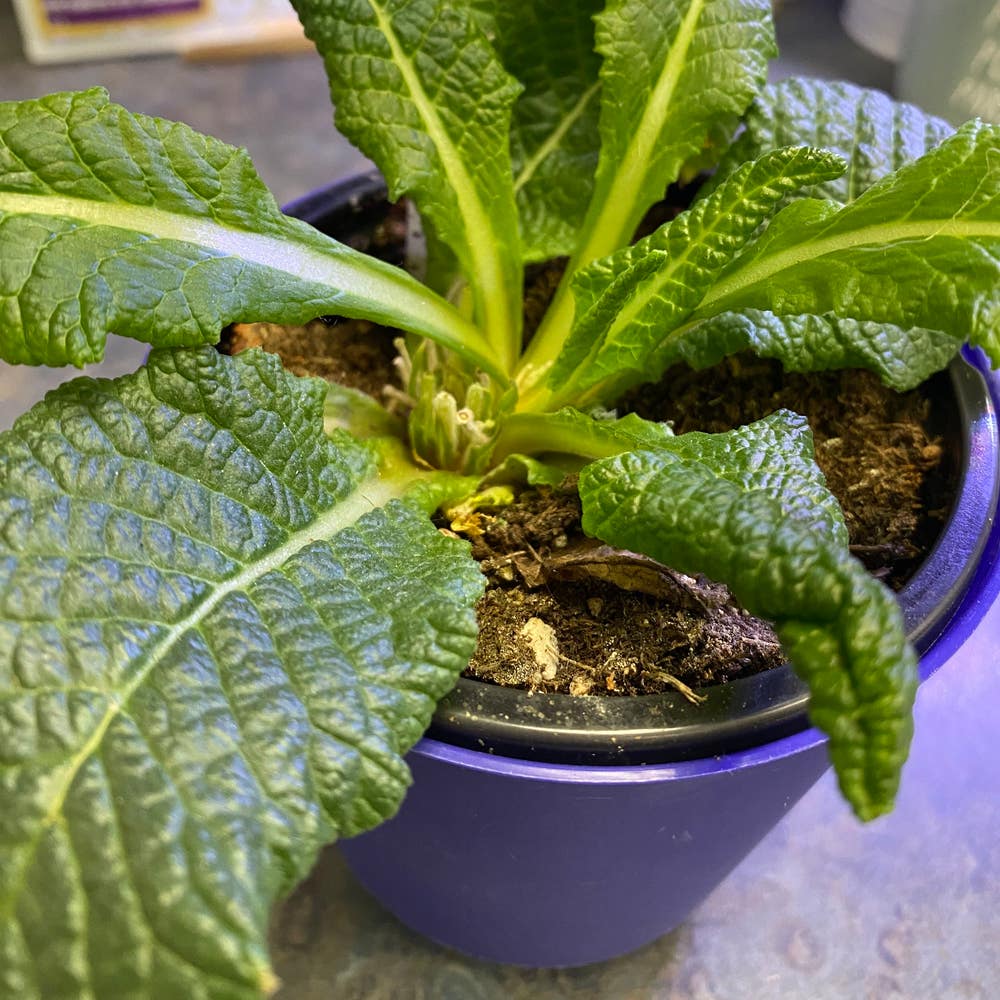
Japanese Primrose: Not an Invasive Plant
Primula japonica
By the Greg Editorial Team
Aug 27, 2024•5 min read
This article was created with the help of AI so we can cover more plants for you. May contain errors. See one? Report it here.
Transform your garden with Japanese Primrose 🌼—a beautiful, non-invasive plant that supports local wildlife! 🌱
- 🌸 Japanese Primrose is non-invasive, making it a safe and eco-friendly garden choice.
- 🐝 Attracts pollinators like bees and butterflies, enhancing local biodiversity.
- 🌿 Moderate growth and clumping habit ensure it won't overtake your garden.
Plant Classification
Definition of Invasive Species 🌱
Invasive species are plants that exhibit rapid growth and spread, often outcompeting native flora. They can disrupt local ecosystems, leading to negative impacts on biodiversity and habitat stability.
Why Japanese Primrose is Not Invasive 🌼
Japanese Primrose, on the other hand, showcases a different growth behavior. It forms clumps and spreads through rhizomes, but it does not aggressively overtake other plants.
This species has a limited spread potential compared to true invasive plants. It thrives in harmony with surrounding flora and fauna, contributing positively to the ecosystem rather than disrupting it.
In summary, Japanese Primrose stands out as a non-invasive option for gardens, promoting ecological balance while enhancing beauty. This makes it an excellent choice for gardeners looking to support local biodiversity.
As we delve deeper into its growth habits, you'll discover how this plant can flourish in your garden without overwhelming other species.
Growth Habits
🌱 Typical Growth Patterns in Gardens
Japanese Primrose exhibits a charming clumping habit, typically reaching heights of 12 to 18 inches. Its flowering season kicks off in spring, showcasing vibrant blooms that can last several weeks, adding a splash of color to any garden.
🌿 Natural Spread Potential and Limitations
This plant spreads moderately through underground rhizomes, allowing it to establish itself without overwhelming its neighbors. However, its spread is naturally limited by specific soil and moisture requirements, making it a manageable addition to your garden.
🌼 Seasonal Growth Cycles
In spring, Japanese Primrose bursts into active growth and flowering, creating a lively atmosphere. During summer, the foliage remains lush, although it may enter a state of dormancy in particularly dry conditions.
As fall approaches, you'll notice leaf dieback as the plant prepares for winter, ensuring it returns strong in the next growing season. This cyclical growth pattern not only enhances your garden's aesthetics but also supports local wildlife throughout the year.
With its predictable growth habits, Japanese Primrose can be a delightful and manageable choice for any garden enthusiast. Next, let’s explore its ecological role and the benefits it brings to local wildlife.
Ecological Role
Benefits to Local Wildlife 🐝
Japanese Primrose is a true gem for local ecosystems. Its nectar-rich flowers attract a variety of pollinators, including bees and butterflies, providing them with essential food sources.
This plant also supports local biodiversity by offering habitat and nourishment for various species. Its presence in gardens can create a thriving environment for wildlife, making it a fantastic choice for eco-conscious gardeners.
Interactions with Other Plants 🌿
When it comes to companion planting, Japanese Primrose shines. It pairs beautifully with ferns and other shade-loving plants, creating a lush, harmonious garden space.
Moreover, it enhances soil health by contributing organic matter through its leaf litter. This natural process enriches the soil, promoting a healthier garden ecosystem overall.
As we explore the various aspects of Japanese Primrose, it's clear that its ecological role is vital. Next, we'll delve into effective garden management techniques to ensure this plant thrives in your landscape.
Garden Management
Effective Incorporation into Garden Designs 🌼
Japanese Primrose thrives in woodland gardens, borders, and shaded areas. Its clumping habit makes it an excellent choice for creating lush, vibrant patches in your garden.
Grouping these plants in clusters enhances their visual impact. This not only draws the eye but also creates a stunning focal point in any landscape.
Aesthetic Considerations for Growth Control 🎨
To manage the spread of Japanese Primrose, regular division every 3-4 years is essential. This practice keeps the plants healthy and prevents them from becoming overcrowded.
Deadheading spent flowers is another effective strategy. This encourages further blooming and keeps your garden looking fresh and vibrant throughout the season.
Maintenance Tips for Healthy Growth 🌱
Consistent moisture is crucial for Japanese Primrose, especially during dry spells. Regular watering helps maintain lush foliage and vibrant blooms.
These plants prefer rich, well-drained soil. Amending the soil with organic matter can significantly enhance their growth and overall health.
Incorporating Japanese Primrose into your garden not only beautifies the space but also supports local wildlife. With the right management techniques, you can enjoy their benefits while maintaining a thriving garden ecosystem.
Next, let’s explore the ecological role of Japanese Primrose and its benefits to local wildlife.
Comparison to Other Plants
🌱 Similar Non-Invasive Plants
When considering non-invasive options for your garden, Lungwort and Bleeding Heart stand out. Both plants share similar growth habits and offer ecological benefits, making them excellent companions for Japanese Primrose.
🌸 Unique Qualities of Japanese Primrose
Japanese Primrose boasts vibrant flowers that brighten any garden. Its adaptability to moist environments sets it apart, allowing it to thrive where other plants may struggle.
🌼 Benefits of Choosing Japanese Primrose
Opting for Japanese Primrose means selecting a non-invasive plant that supports local wildlife. It enhances garden aesthetics while promoting biodiversity, making it a win-win for both gardeners and nature.
⚖️ Legal and Environmental Considerations
Relevant Classifications and Guidelines
Before planting, it's wise to check local regulations regarding non-invasive plant lists. This ensures that your gardening efforts align with environmental guidelines.
Sustainable Gardening Practices
Incorporating Japanese Primrose into your garden supports biodiversity and minimizes the need for chemical interventions. It’s a natural choice for eco-conscious gardeners.
🌍 Environmental Impact of Japanese Primrose
Japanese Primrose positively contributes to local ecosystems. It enhances the environment without disrupting native flora, making it a responsible choice for any garden enthusiast.
As we explore further, let’s delve into effective garden management strategies to maximize the benefits of Japanese Primrose.
⚠️ Safety First
This content is for general information and may contain errors, omissions, or outdated details. It is not medical, veterinary advice, or an endorsement of therapeutic claims.
Always consult a qualified healthcare professional before using any plant as food, medicine, or supplement.
Never eat any plant (or feed one to pets) without confirming its identity with at least two trusted sources.
If you suspect poisoning, call Poison Control (800) 222-1222, the Pet Poison Helpline (800) 213-6680, or your local emergency service immediately.
Spotted an error? Please report it here.
Discover the charm of Japanese Primrose, a non-invasive beauty 🌱 that enriches your garden and attracts wildlife, and let Greg provide tailored care reminders to help it flourish effortlessly!