🌸 Ultimate Guide to Japanese Primrose Lifecycle
Primula japonica
By the Greg Editorial Team
Aug 27, 2024•6 min read
This article was created with the help of AI so we can cover more plants for you. May contain errors. See one? Report it here.
Cultivate stunning Japanese primrose 🌸 from seed to bloom with this essential guide to thriving growth stages!
- 🌱 Japanese primrose seeds remain viable for 1-2 years when stored properly.
- 🌞 Germination thrives at 15°C to 20°C with consistent moisture and light.
- 🐝 Insect pollination is vital for seed production and ecosystem health.
Seed and Germination Stage
🌱 Description of Seed Characteristics
Japanese primrose seeds are small, typically measuring around 1-2 mm in diameter. Their dark brown to black color makes them easy to identify among other seeds.
Seed viability is impressive; these seeds can remain viable for 1-2 years if stored properly. This longevity is crucial for ensuring the species can thrive in varying conditions.
🌡️ Germination Process and Conditions
For optimal germination, the temperature should be between 15°C to 20°C (59°F to 68°F). It's essential to surface sow the seeds, as they require light to germinate effectively.
Consistent moisture is vital during this stage, but be cautious—waterlogging can hinder growth. Striking the right balance is key to a successful germination process.
⏳ Duration of Germination Stage
Under ideal conditions, germination takes about 14-30 days. Factors such as soil temperature, moisture levels, and light exposure can significantly influence this timeline.
Understanding these conditions can help you create the perfect environment for your Japanese primrose seeds to thrive. With the right care, you'll soon witness the exciting transition from seed to seedling.
Seedling Stage
🌱 Characteristics of Seedlings
The seedlings of Japanese primrose are quite charming, presenting as small rosettes of leaves. Typically, these leaves measure around 2-4 cm in length, showcasing a broad, oval shape with a soft texture that invites touch.
🌧️ Growth Conditions and Requirements
For optimal growth, these seedlings thrive in moist, well-drained soil rich in organic matter. They prefer partial shade; too much direct sunlight can stunt their growth and hinder their development.
⏳ Duration of Seedling Stage
The seedling stage lasts approximately 4-6 weeks, during which the plants prepare for transplanting. You'll know they’re ready when they develop 2-3 true leaves, signaling their readiness to take on the world outside their initial environment.
Understanding the seedling stage is crucial for successful cultivation. As we move forward, we'll explore the vegetative growth stage, where these seedlings will continue to flourish and mature.
Vegetative Growth Stage
Description of Vegetative Growth 🌱
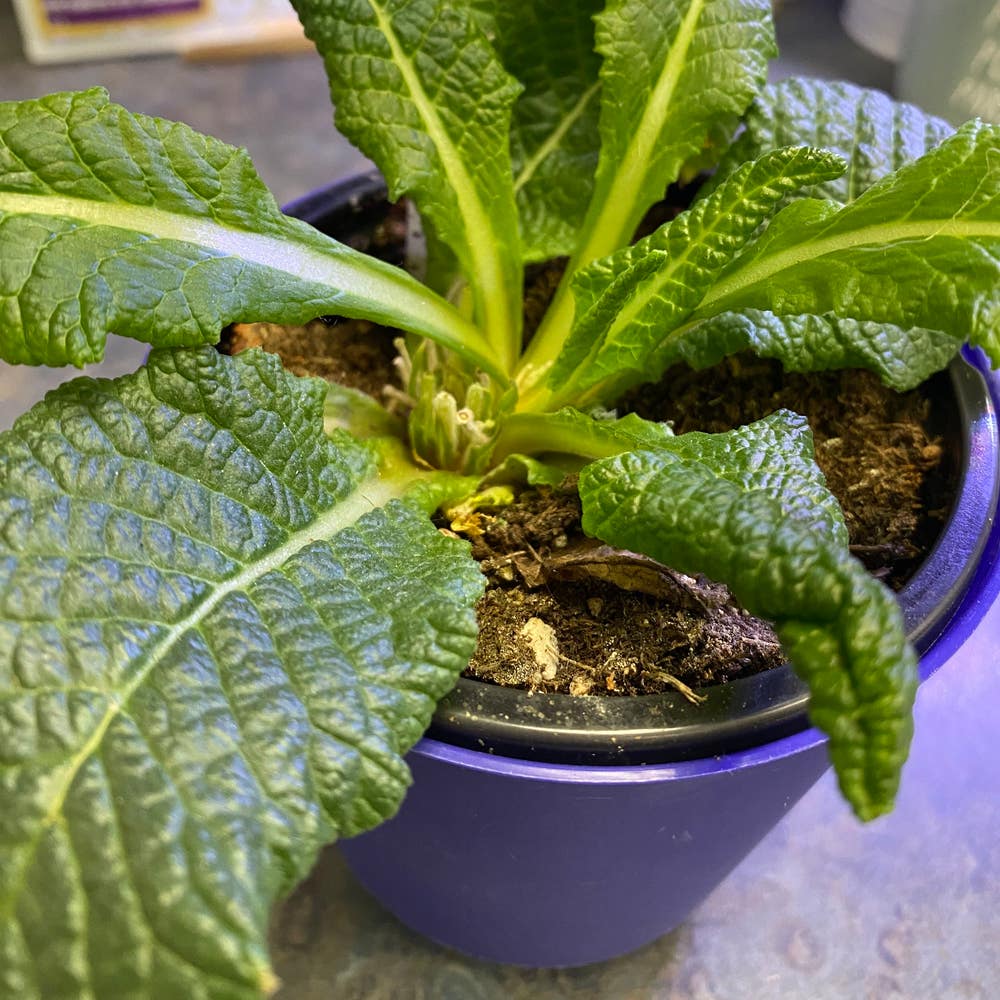
During the vegetative growth stage, Japanese primrose develops a clumping habit, forming rosettes of leaves. These plants can reach heights of 30-50 cm (12-20 inches), showcasing their robust nature.
Leaf Development 🍃
As the plant matures, the leaves grow larger and more numerous. This increase in foliage not only enhances the plant's appearance but also its ability to photosynthesize effectively.
Factors Influencing Growth Rate 🌡️
Several environmental conditions play a crucial role in the growth rate of Japanese primrose. Moisture levels, soil fertility, and light exposure significantly impact how quickly the plant thrives.
Seasonal Changes 🌼
Growth typically accelerates in spring, driven by rising temperatures and longer daylight hours. This seasonal boost is vital for the plant's overall health and vigor.
Duration of Vegetative Growth Stage ⏳
The vegetative growth stage lasts approximately 6-12 months, depending on environmental conditions. Under optimal circumstances, the plant can grow up to 30 cm in a single growing season.
Growth Rate Insights 📈
While the growth rate is moderate, the potential for significant height increase makes this stage exciting. Observing these changes can be a rewarding experience for any gardener or plant enthusiast.
As we transition from the vegetative growth stage, the next phase is flowering, where the Japanese primrose showcases its vibrant blooms.
Flowering Stage
Description of Flowering Process 🌸
The flowering process of Japanese primrose is a stunning spectacle. Its flowers form vibrant umbels, showcasing colors that range from soft pink to bright white.
Flowering Habit 🌼
These beautiful blooms emerge from the leaf axils on tall stems, creating an eye-catching display. This unique positioning allows the flowers to attract pollinators effectively.
Timing and Duration of Flowering ⏳
Flowering typically occurs from late spring to early summer, specifically between May and June. This phase lasts about 3-4 weeks, providing a brief yet breathtaking show.
Pollination and Its Significance 🐝
Japanese primrose relies heavily on insect pollination, drawing in bees and butterflies. Successful pollination is crucial, as it leads to seed production, ensuring the species continues to thrive.
Importance of Pollination 🌍
Pollination not only supports the plant's lifecycle but also contributes to the ecosystem by attracting beneficial insects. This symbiotic relationship highlights the interconnectedness of nature.
As we delve deeper into the lifecycle of the Japanese primrose, understanding the flowering stage sets the stage for the next critical phase: seed production and maturation.
Seed Production and Maturation
🌱 Overview of Seed Production
Seed production in Japanese primrose kicks off after successful pollination. The seeds develop within capsules, ready to embark on their journey of dispersal.
🌬️ Seed Dispersal Mechanisms
Once mature, seeds are dispersed by wind and water. This natural process aids in colonizing new areas, ensuring the species thrives in diverse environments.
⏳ Duration of Seed Production Stage
The seed production stage lasts about 4-6 weeks following flowering. By late summer, the seeds are typically ready for collection, marking a crucial point in the lifecycle.
🌼 Lifespan of Japanese Primrose
Japanese primrose generally enjoys a lifespan of 3-5 years under optimal conditions. Understanding this lifespan is essential for effective propagation and population maintenance.
🌍 Implications for Cultivation
Knowing the lifespan helps gardeners and conservationists plan for the future. It allows for timely interventions to support growth and ensure the species continues to flourish.
As we explore the notable changes throughout the lifecycle, we’ll uncover how each stage contributes to the resilience and beauty of the Japanese primrose.
Notable Changes Throughout Life Cycle
🌱 Physical Changes During Each Stage
The lifecycle of the Japanese Primrose showcases distinct physical transformations. In the seed stage, dormant seeds transition into germinating seedlings, marking the beginning of their journey.
As they enter the seedling stage, small rosettes of leaves develop, laying the groundwork for future growth. This is followed by the vegetative stage, where the plants experience an increase in leaf size and form clumps, creating a lush appearance.
Finally, during the flowering stage, vibrant flowers emerge, signaling the plant's readiness for reproduction and seed production.
🌧️ Environmental Adaptations
Japanese Primrose is well-equipped to thrive in its native habitats. It excels in wet, marshy conditions, demonstrating a remarkable ability to tolerate temporary flooding.
Additionally, it shows a preference for partial shade, making it a perfect fit for forest understories where it can flourish away from direct sunlight.
⚠️ Common Challenges Faced During Growth
Despite its resilience, the Japanese Primrose faces several challenges. It is susceptible to pests like aphids and slugs, which can wreak havoc on its leaves.
Moreover, the plant is prone to root rot in overly wet conditions. Ensuring well-drained soil is crucial to prevent this issue and promote healthy growth.
Understanding these notable changes and challenges can enhance your appreciation for the Japanese Primrose's lifecycle. Next, we’ll explore the fascinating process of seed production and maturation.
⚠️ Safety First
This content is for general information and may contain errors, omissions, or outdated details. It is not medical, veterinary advice, or an endorsement of therapeutic claims.
Always consult a qualified healthcare professional before using any plant as food, medicine, or supplement.
Never eat any plant (or feed one to pets) without confirming its identity with at least two trusted sources.
If you suspect poisoning, call Poison Control (800) 222-1222, the Pet Poison Helpline (800) 213-6680, or your local emergency service immediately.
Spotted an error? Please report it here.
Unlock the beauty of the Japanese primrose's lifecycle 🌼 by using Greg's tailored care reminders to ensure your plants thrive at every stage of growth!