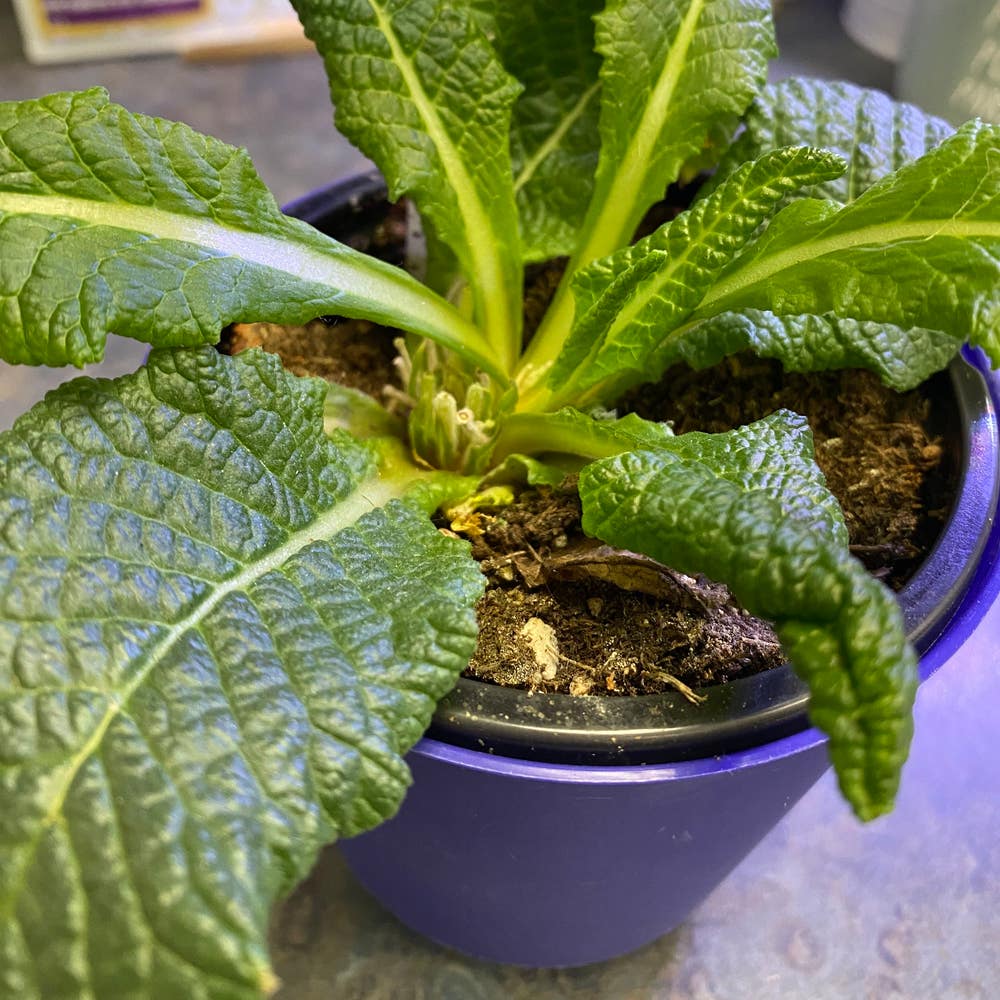
🌸 How to Cure Curling Leaves on Your Japanese Primrose
Primula japonica
By the Greg Editorial Team
Aug 27, 2024•6 min read
This article was created with the help of AI so we can cover more plants for you. May contain errors. See one? Report it here.
Unlock the secret to vibrant Japanese Primrose leaves 🌱 by mastering prevention of curling and stress factors! 🌿
- 🌡️ Maintain temperatures between 15°C to 20°C to prevent leaf curling.
- 💧 Humidity levels of 50%-70% are crucial for healthy Japanese Primroses.
- 🐛 Inspect regularly for pests; use insecticidal soap for effective treatment.
Causes of Curling Leaves
🌪️ Environmental Stress Factors
Temperature plays a crucial role in the health of your Japanese Primrose. The ideal temperature range is between 15°C to 20°C (59°F to 68°F). When temperatures stray too far from this range, you may notice curling leaves as a sign of stress.
Humidity is another key factor. Japanese Primroses thrive in moderate to high humidity levels of 50%-70%. Low humidity can lead to leaf curling and browning tips, signaling that your plant is not in its comfort zone.
💧 Watering Issues
Watering practices can significantly impact leaf health. Overwatering is often indicated by yellowing leaves and soggy soil, which can lead to root rot and subsequent leaf curl.
On the flip side, underwatering can also cause problems. Signs include dry, crispy leaves and wilting, both of which contribute to stress-induced leaf curl.
🌱 Nutrient Deficiencies
Nutrient deficiencies can manifest in various ways. A nitrogen deficiency typically results in yellowing leaves and stunted growth. To remedy this, consider using a balanced fertilizer that includes nitrogen.
Potassium deficiency is another concern, often presenting as marginal leaf curling and browning. Applying potassium-rich fertilizers can help restore balance and promote healthy growth.
🐛 Pest Infestations
Pests can wreak havoc on your Japanese Primrose. Aphids are a common culprit, leaving behind sticky residue and causing distorted leaves. Control methods include using insecticidal soap or neem oil for effective treatment.
Spider mites are another pest to watch for, identifiable by fine webbing and stippled leaves. Increasing humidity and applying miticides can help manage these pesky invaders.
🍄 Fungal Diseases
Fungal diseases can also lead to curling leaves. Powdery mildew is characterized by white powdery spots on leaves, which can cause curling. Treatment options include fungicides and improving air circulation around the plant.
Root rot is another serious issue, often indicated by wilting and yellowing leaves despite adequate watering. To combat this, improve drainage and avoid overwatering to keep your plant healthy.
Understanding these causes is essential for effective treatment and prevention. By addressing environmental stress, watering issues, nutrient deficiencies, pests, and diseases, you can help your Japanese Primrose thrive. Next, we’ll explore how to diagnose curling leaves effectively.
Diagnosing Curling Leaves
Identifying Symptoms 🌿
Curling leaves on your Japanese Primrose can signal various issues. Look for visual signs like curling edges, discoloration, and wilting.
Changes in leaf texture are also telling. Leaves may feel crispy or soft, indicating stress that needs addressing.
Differentiating Between Causes 🕵️♂️
To pinpoint the problem, differentiate between pests and environmental stress. Start by inspecting for pests; check for visible insects or webbing on the leaves.
Next, assess environmental conditions. Ensure the temperature and humidity levels are within the ideal range for your plant.
Assessing Soil Conditions 🏺
Soil conditions play a crucial role in leaf health. Test soil moisture by inserting your finger 1-2 inches into the soil.
Dry soil suggests underwatering, while soggy soil indicates overwatering. Both can lead to curling leaves if not corrected.
Additionally, consider the soil composition. The ideal mix for Japanese Primrose is well-draining, organic-rich soil to promote healthy growth.
Understanding these symptoms and conditions will help you effectively diagnose and treat curling leaves. With the right approach, your plant can thrive once again.
Treatment Options
Adjusting Watering Practices 🌊
Establishing a consistent watering schedule is crucial for your Japanese primrose. Water the plant when the top inch of soil feels dry to the touch.
Deep watering is essential to ensure that moisture reaches the root zone without causing waterlogging. This technique promotes healthy root development and prevents stress-induced leaf curl.
Fertilization Techniques 🌱
Identifying nutrient deficiencies is the next step in treatment. Use a soil test kit to determine the nutrient levels in your soil.
Fertilization should occur during the growing season, from spring to early fall. Opt for a balanced fertilizer or specific nutrient supplements to address any deficiencies.
Pest Control Methods 🐛
For pest infestations, insecticidal soap is an effective solution. Spray it directly on the affected areas, repeating every 7-14 days until the pests are under control.
Neem oil is another excellent option. Dilute it and spray on the leaves; it serves as both a pesticide and fungicide, offering dual protection.
Fungal Disease Management 🍄
When dealing with fungal diseases, fungicides can be beneficial. Always follow the label instructions for application rates and timing to ensure effectiveness.
Improving air circulation around your plants is also vital. Space them adequately and prune overcrowded areas to reduce the risk of fungal infections.
By implementing these treatment options, you can help your Japanese primrose thrive and enjoy vibrant, healthy leaves. Next, let’s explore preventive measures to keep your plant in top shape.
Preventive Measures
Best Practices for Watering and Fertilizing 🌊
Watering your Japanese Primrose effectively is crucial. Always use well-draining pots and soil to prevent root rot, which can lead to curling leaves.
Fertilizing is equally important. Regularly check soil nutrient levels and adjust your fertilization schedule accordingly to ensure your plant thrives.
Regular Inspection for Pests and Diseases 🔍
Make it a habit to inspect your plants weekly. Look for any signs of pests or diseases that could affect their health.
Early intervention is key. Addressing issues promptly can prevent them from escalating into bigger problems.
Soil Preparation and Amendments 🏡
Soil quality matters. Use organic matter to improve soil structure and enhance moisture retention, creating a healthier environment for your Primrose.
Don't forget to test your soil pH. Aim for an ideal range of 6.0 to 7.0 for optimal nutrient availability, ensuring your plant gets what it needs to flourish.
With these preventive measures in place, your Japanese Primrose will be better equipped to resist curling leaves and thrive in its environment. Next, let’s explore how to adjust care practices with the changing seasons.
Seasonal Considerations
Adjusting Care Practices with the Seasons 🌦️
As the seasons change, so should your care routine for your Japanese primrose. During the cooler months, it's essential to reduce your watering frequency to prevent over-saturation.
Fertilization also needs to be adjusted. Limit feeding during winter dormancy to avoid stressing the plant when it’s not actively growing.
Preparing for Winter Stressors ❄️
Mulching is a fantastic way to protect your primrose's roots from freezing temperatures. A layer of mulch helps insulate the soil and maintain moisture levels.
If your primrose is indoors, ensure it receives adequate light and humidity. Transitioning it inside can help it thrive during the colder months, keeping those curling leaves at bay.
⚠️ Safety First
This content is for general information and may contain errors, omissions, or outdated details. It is not medical, veterinary advice, or an endorsement of therapeutic claims.
Always consult a qualified healthcare professional before using any plant as food, medicine, or supplement.
Never eat any plant (or feed one to pets) without confirming its identity with at least two trusted sources.
If you suspect poisoning, call Poison Control (800) 222-1222, the Pet Poison Helpline (800) 213-6680, or your local emergency service immediately.
Spotted an error? Please report it here.
Keep your Japanese Primrose thriving 🌿 by using Greg's tailored reminders for humidity and watering, ensuring those curling leaves are a thing of the past!