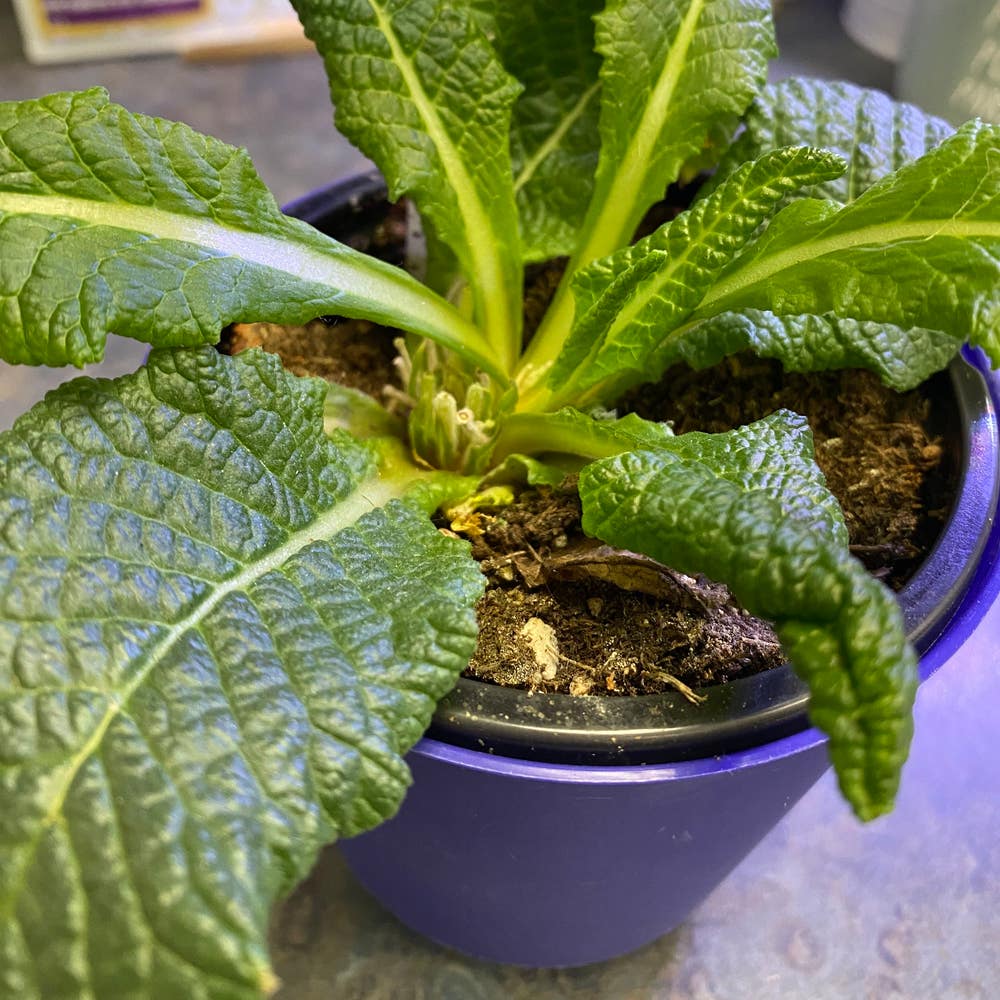
🌼 How to Fix Yellow Leaves on Your Japanese Primrose
Primula japonica
By the Greg Editorial Team
Aug 27, 2024•5 min read
This article was created with the help of AI so we can cover more plants for you. May contain errors. See one? Report it here.
Transform your yellowing Japanese Primrose 🌱 back to life with essential care tips and diagnosis strategies!
- 💧 Overwatering causes yellow leaves; ensure proper drainage to prevent root rot.
- 🌱 Nitrogen and iron deficiencies lead to yellowing; use balanced fertilizer for health.
- 🐛 Pests like aphids can cause yellowing; inspect plants regularly for early detection.
Causes of Yellow Leaves
💧 Overwatering and Root Rot
Overwatering is a common culprit behind yellow leaves on your Japanese Primrose. Symptoms include yellowing leaves, wilting, and mushy roots, signaling that your plant is drowning.
Proper soil drainage is crucial. Well-draining soil prevents water accumulation, which can lead to root rot.
Signs of root rot include dark, slimy roots and a foul odor. If you notice these symptoms, it’s time to reassess your watering habits.
🥦 Nutrient Deficiencies
Nitrogen Deficiency
Nitrogen deficiency manifests as older leaves turning yellow while new growth remains vibrant. This nutrient is essential for leaf health and overall growth.
Without adequate nitrogen, your plant struggles to thrive. Regular fertilization can help replenish this vital nutrient.
Iron Deficiency
Iron deficiency presents as yellowing between leaf veins, a condition known as interveinal chlorosis. Iron is crucial for chlorophyll production, which keeps your plant green and healthy.
If you spot these symptoms, consider adjusting your fertilization strategy to include iron supplements.
🐜 Pest Infestations
Aphids
Aphids are tiny pests that can wreak havoc on your Japanese Primrose. Signs of infestation include sticky residue on leaves and curled foliage.
These pests weaken the plant, leading to yellowing and stunted growth. Regular monitoring can help catch them early.
Spider Mites
Spider mites leave fine webbing and stippled leaves in their wake. Their damage can cause significant leaf discoloration and reduced vigor.
If you notice these symptoms, act quickly to mitigate their impact on your plant's health.
🍄 Fungal Diseases
Powdery Mildew
Powdery mildew appears as white, powdery spots on leaves. This fungal disease can severely impact photosynthesis, leading to yellowing.
To combat this issue, improve air circulation around your plant and consider applying fungicides if necessary.
🌡️ Environmental Stress
Temperature
Extreme temperatures can stress your Japanese Primrose, causing yellow leaves. High heat or frost can be particularly damaging.
The ideal temperature range for this plant is between 15°C to 20°C (59°F to 68°F). Keeping your plant within this range promotes healthy growth.
Humidity
Humidity plays a vital role in the health of your Japanese Primrose. It thrives in moderate to high humidity levels.
Signs of low humidity include leaf curling and yellowing. If you notice these issues, consider increasing humidity around your plant.
Understanding these causes is the first step in addressing yellow leaves on your Japanese Primrose. Next, we’ll explore how to diagnose the issue effectively.
Diagnosing Yellow Leaves
👀 Visual Symptoms to Look For
When your Japanese Primrose shows yellow leaves, the first step is to identify the cause. Is it overwatering or a nutrient deficiency?
Look closely at the leaf patterns. If you notice spotting, curling, or wilting, these can be key indicators of underlying issues.
🌱 Soil and Water Testing
Next, assess the soil moisture. You can use a moisture meter or simply stick your finger into the soil to gauge its dampness.
Don't forget about pH testing! The ideal range for your Primrose is between 6.0 and 7.0, ensuring optimal nutrient uptake.
🐛 Identifying Pests and Diseases
Regular inspections are crucial. Check the undersides of leaves for pests that might be lurking.
Also, keep an eye out for fungal symptoms. Identifying powdery mildew and other diseases early can save your plant from further damage.
By diagnosing these issues effectively, you can take the right steps to restore your Japanese Primrose to its vibrant self. Next, let’s explore treatment solutions to tackle these yellowing leaves head-on.
Treatment Solutions
Adjusting Watering Practices 🌧️
To keep your Japanese Primrose thriving, aim for consistently moist soil without sogginess. The right balance means the soil should feel damp but never waterlogged.
Fertilization Techniques 🌱
Choosing a balanced NPK fertilizer is crucial for replenishing nutrients. Apply it during the growing season every 4-6 weeks to support healthy growth.
Pest Control Methods 🐞
For pest issues like aphids and spider mites, consider organic solutions such as neem oil and insecticidal soap. Regular monitoring is key; early detection can save your plant from significant damage.
Fungal Treatment Options 🍄
If you spot powdery mildew, applying fungicides can help manage the problem. Additionally, improving air circulation and reducing humidity around your plant can prevent future outbreaks.
By implementing these treatment solutions, you can restore your Japanese Primrose's health and vibrancy. Next, let’s explore preventive measures to keep your plant thriving year-round.
Preventive Measures
🌱 Proper Soil Selection and Drainage
Choosing the right soil is crucial for your Japanese Primrose. Opt for well-draining, rich soil that includes organic matter to support healthy growth.
Good drainage is essential. Always use pots with drainage holes or consider raised beds to prevent water accumulation, which can lead to root rot.
☀️ Ideal Sunlight Conditions
Your Japanese Primrose thrives in partial to full shade, ideally receiving 4-6 hours of indirect sunlight daily. Too much direct sunlight can lead to leaf scorch and yellowing, so monitor their exposure carefully.
🍂 Seasonal Care Tips
Adjust your care routine with the changing seasons. Increase watering during spring and summer, while reducing it in fall and winter to match the plant's needs.
Preparing for winter is also vital. Mulching helps protect the roots from frost, ensuring your plant stays healthy through colder months.
🔍 Regular Monitoring and Maintenance
Routine checks are key to maintaining plant health. Regularly inspect for pests, diseases, and soil moisture to catch any issues early.
Keeping a gardening journal can be incredibly beneficial. Documenting your plant's health and care practices helps you track what works and what doesn’t, leading to a more vibrant garden.
By implementing these preventive measures, you can significantly reduce the chances of yellow leaves and ensure your Japanese Primrose thrives. Next, let’s dive into diagnosing yellow leaves to pinpoint any existing issues.
⚠️ Safety First
This content is for general information and may contain errors, omissions, or outdated details. It is not medical, veterinary advice, or an endorsement of therapeutic claims.
Always consult a qualified healthcare professional before using any plant as food, medicine, or supplement.
Never eat any plant (or feed one to pets) without confirming its identity with at least two trusted sources.
If you suspect poisoning, call Poison Control (800) 222-1222, the Pet Poison Helpline (800) 213-6680, or your local emergency service immediately.
Spotted an error? Please report it here.
Revive your Japanese Primrose and banish yellow leaves 🌿 with Greg's tailored watering alerts and nutrient tips that ensure your plant thrives in its ideal environment!