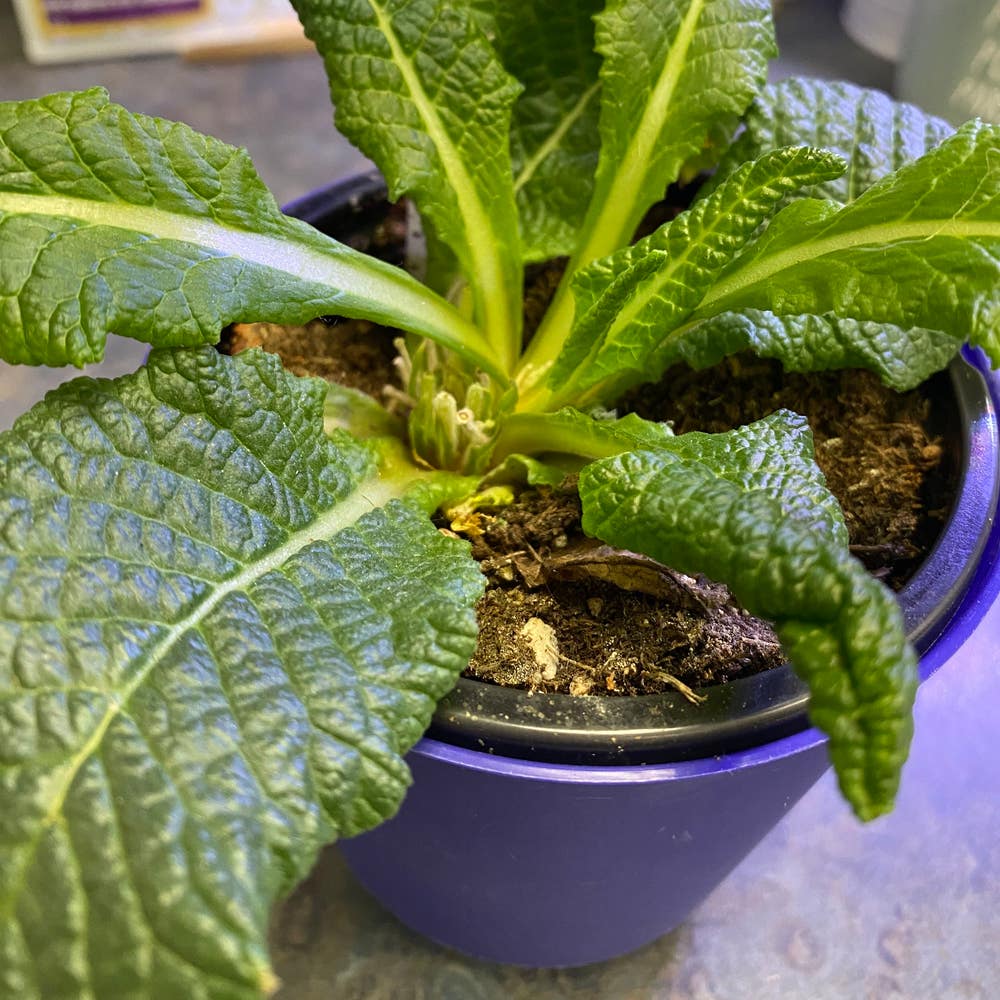
🌸 How to Cure Leaves Falling Over on Your Japanese Primrose
Primula japonica
By the Greg Editorial Team
Aug 27, 2024•5 min read
This article was created with the help of AI so we can cover more plants for you. May contain errors. See one? Report it here.
Transform your drooping Japanese Primrose 🌱 into a thriving beauty with these essential care tips!
- 🌡️💧 Humidity and temperature fluctuations cause drooping leaves on Japanese Primrose.
- 🚰❌ Overwatering and underwatering lead to yellowing and wilting; maintain consistent moisture.
- 🐛🌱 Pest infestations and nutrient deficiencies weaken leaves; inspect regularly and fertilize appropriately.
Causes of Leaf Droop
🌬️ Environmental Stress
Humidity levels and temperature fluctuations can significantly impact your Japanese Primrose. Too much humidity can lead to fungal issues, while low humidity may cause leaves to droop and dry out.
💧 Overwatering vs. Underwatering
Both overwatering and underwatering can wreak havoc on leaf health. Overwatering often results in yellowing leaves and root rot, while underwatering leads to crispy edges and wilting.
🥦 Nutrient Deficiencies
Essential nutrients play a crucial role in maintaining leaf strength. A lack of nitrogen can cause yellowing, while magnesium deficiencies may lead to curling leaves.
🐛 Pest Infestations
Pests are another common culprit behind leaf droop. Aphids and spider mites can sap the plant's vitality, causing visible damage and stress to the leaves.
Understanding these causes is the first step in reviving your Japanese Primrose. Next, let's dive into diagnosing the specific problem affecting your plant.
Diagnosing the Problem
💧 Overwatering: Signs and Solutions
Overwatering is a common issue that can lead to serious problems for your Japanese Primrose. Look for signs like leaf yellowing and mushiness, which indicate excess moisture.
Root rot is another telltale sign; if you inspect the roots and find them dark and mushy, it’s time to take action.
To remedy overwatering, start by adjusting your watering frequency. Ensure that the soil has proper drainage to prevent water from pooling around the roots.
🌵 Underwatering: Signs and Solutions
On the flip side, underwatering can also cause your plant to droop. Symptoms include crispy, dry leaf edges and noticeable wilting.
To combat this, establish a consistent watering schedule. Regularly monitor soil moisture levels to keep your plant hydrated.
🥦 Nutrient Deficiencies: Identifying and Correcting
Nutrient deficiencies can weaken your Japanese Primrose, leading to drooping leaves. Common culprits include nitrogen, which causes yellowing, and magnesium, which leads to curling leaves.
To address these issues, start with soil testing to determine nutrient levels. Once you know what’s lacking, apply the appropriate fertilizers to restore balance.
🐛 Pest Infestations: Common Pests and Treatments
Pests can wreak havoc on your Japanese Primrose, causing leaves to droop and curl. Common offenders include aphids, which leave a sticky residue, and spider mites, identifiable by fine webbing.
For treatment, consider using neem oil or insecticidal soap. Regular inspections and early intervention are key to keeping these pests at bay.
By diagnosing these issues effectively, you can ensure your Japanese Primrose thrives. Next, let’s explore preventive measures to keep your plant healthy and vibrant.
Preventive Measures
Ideal Growing Conditions 🌤️
Creating the right environment is crucial for your Japanese Primrose. This plant thrives in partial to full shade, so ensure it’s not exposed to harsh sunlight.
Maintaining consistent humidity levels is equally important. Aim for a moist atmosphere to keep your Primrose happy and healthy.
Proper Watering Techniques 💧
Watering correctly can make all the difference. Keep the soil consistently moist but avoid sogginess, as this can lead to root rot.
Using a moisture meter can help you gauge when to water. This tool ensures you’re providing just the right amount of moisture.
Soil Selection and Drainage 🪴
Choosing the right soil is essential for your plant's health. Opt for well-draining, moisture-retentive soil to support robust growth.
Good drainage prevents root rot and promotes healthy roots. Always check that your pots have adequate drainage holes.
Fertilization Schedule and Types 🌱
Fertilizing your Japanese Primrose properly can enhance its vitality. Balanced NPK fertilizers are recommended to provide essential nutrients.
Timing is key; fertilize during the growing season, specifically in spring and summer. This ensures your plant gets the nutrients it needs when it’s most active.
By implementing these preventive measures, you can create a thriving environment for your Japanese Primrose. Next, let’s explore step-by-step solutions to address any issues that may arise.
Step-by-Step Solutions
🌊 How to Assess and Adjust Watering
- Check soil moisture: Use a finger test or moisture meter to gauge the dampness of the soil.
- Adjust frequency: Water your Japanese Primrose when the top inch of soil feels dry to the touch.
- Observe plant response: Keep an eye on your plant's leaves; improvement in their health indicates you're on the right track.
🕳️ How to Improve Soil Drainage
- Assess current soil composition: Look for compacted or heavy soils that may be retaining too much moisture.
- Amend soil: Incorporate perlite or sand to enhance drainage and prevent waterlogging.
- Repot if necessary: If drainage issues persist, consider using a well-draining potting mix for better results.
🐞 How to Treat Pests Effectively
- Identify pests: Regularly inspect leaves and stems for any signs of infestation.
- Apply treatments: Use neem oil or insecticidal soap to tackle pests as needed.
- Monitor results: After treatment, check for a reduction in pest activity to ensure your efforts are working.
🌱 How to Amend Soil for Nutrient Deficiencies
- Conduct a soil test: Determine nutrient levels to identify any deficiencies affecting your plant.
- Choose appropriate amendments: Select fertilizers that specifically address the identified nutrient gaps.
- Apply amendments: Follow the package instructions for application rates to ensure effective results.
By following these step-by-step solutions, you can effectively address the issues causing your Japanese Primrose's leaves to droop. Next, let’s explore preventive measures to keep your plant thriving.
⚠️ Safety First
This content is for general information and may contain errors, omissions, or outdated details. It is not medical, veterinary advice, or an endorsement of therapeutic claims.
Always consult a qualified healthcare professional before using any plant as food, medicine, or supplement.
Never eat any plant (or feed one to pets) without confirming its identity with at least two trusted sources.
If you suspect poisoning, call Poison Control (800) 222-1222, the Pet Poison Helpline (800) 213-6680, or your local emergency service immediately.
Spotted an error? Please report it here.
Keep your Japanese Primrose vibrant and droop-free 🌿 by using Greg's tailored reminders for watering and nutrient needs, ensuring it thrives in your care!